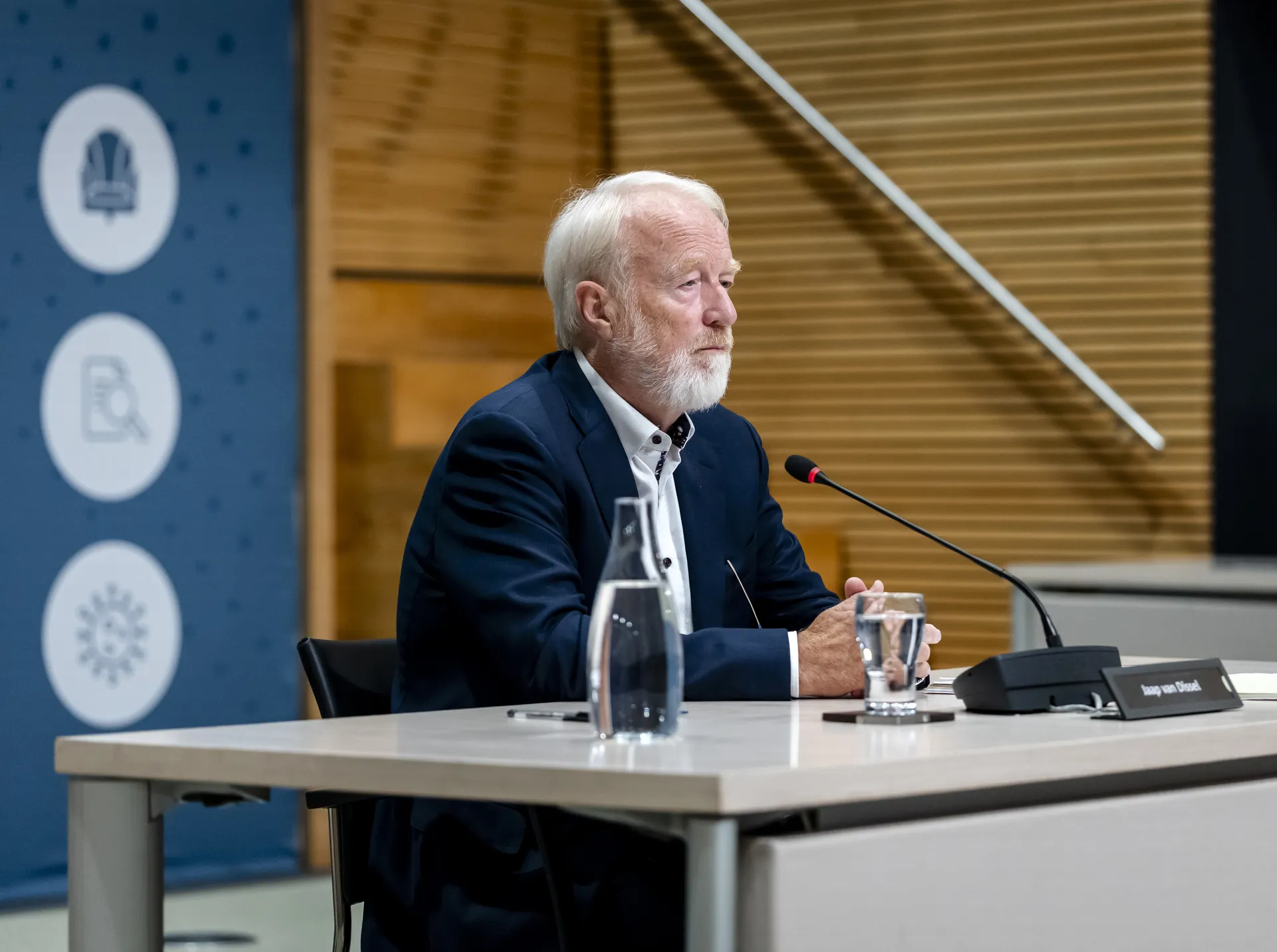
As the long-term evaluation of public health policies during the COVID-19 pandemic continues, European parliamentary bodies are actively reviewing how governments managed the crisis. In France, the Senate established a specific investigative commission to assess the efficacy of public policies, while the National Assembly has engaged in public debates regarding the scope and mandates of similar oversight missions. These parliamentary processes aim to provide a transparent account of decision-making during the health emergency, reflecting a broader effort across the continent to draw lessons from the pandemic era.
The Senate’s inquiry into public health policies, initiated at the request of Senate President Gérard Larcher, represents a significant formal effort to scrutinize the state’s response to the COVID-19 pandemic. The commission, which was composed of 36 members, focused on the management of the crisis and the development of public health infrastructure. According to the official records provided by the French Senate, the commission was led by President Alain Milon, with Catherine Deroche, Bernard Jomier, and Sylvie Vermeillet serving as rapporteurs.
Evaluating Public Health Policy
The work of the Senate commission culminated in a comprehensive report titled “Santé publique : pour un nouveau départ – Leçons de l’épidémie de covid-19.” This document, adopted on December 8, 2020, includes detailed accounts of hearings and analysis of government actions. The rapporteurs presented their findings during a press conference on December 10, 2020, emphasizing the need for structural reforms in the French health system. The commission’s investigation included high-profile testimonies, such as the hearing of former Prime Minister Edouard Philippe on October 29, 2020, which allowed lawmakers to examine the timeline of government decision-making during the initial waves of the virus.

Simultaneously, the French National Assembly has conducted its own rigorous oversight. On June 2, 2020, the assembly held a public debate concerning the mission of information on the impact and management of the coronavirus. According to the National Assembly, this debate focused on whether the existing mission should be granted the expanded legal prerogatives of a full commission of inquiry. These efforts highlight the legislative branch’s role in maintaining accountability, ensuring that the methodologies used during the pandemic are not only documented but also critically evaluated for future preparedness.
The Importance of Parliamentary Oversight
For citizens and policymakers alike, these investigations serve as a mechanism for institutional learning. By analyzing clinical research trials, the availability of medical supplies, and the coordination between regional and national health authorities, these commissions seek to move beyond political rhetoric. The Senate’s documentation includes extensive transcripts and hearing records that provide a granular view of the challenges faced by health officials between early 2020 and the release of the final reports.
Such parliamentary activity is not unique to France; it reflects a common trend in European democracies where legislatures are utilizing their investigative powers to process the complex legacy of the COVID-19 pandemic. These inquiries are essential for identifying gaps in emergency response protocols and ensuring that future health policies are based on a transparent assessment of past performance. As these reports continue to circulate, they remain vital resources for researchers and the public to understand the administrative history of the pandemic.
As we continue to analyze the long-term impact of these parliamentary inquiries, it is clear that the work of documenting the pandemic is far from complete. Legislative bodies remain the primary venue for these discussions, ensuring that public health policy remains subject to democratic oversight. For those interested in the ongoing developments, the parliamentary archives provide the most accurate and up-to-date information regarding legislative conclusions and potential reforms.
We invite our readers to share their thoughts on the role of parliamentary oversight in public health. How should governments balance the need for rapid decision-making during a crisis with the necessity of long-term accountability? Please join the discussion in the comments section below.
Related reading