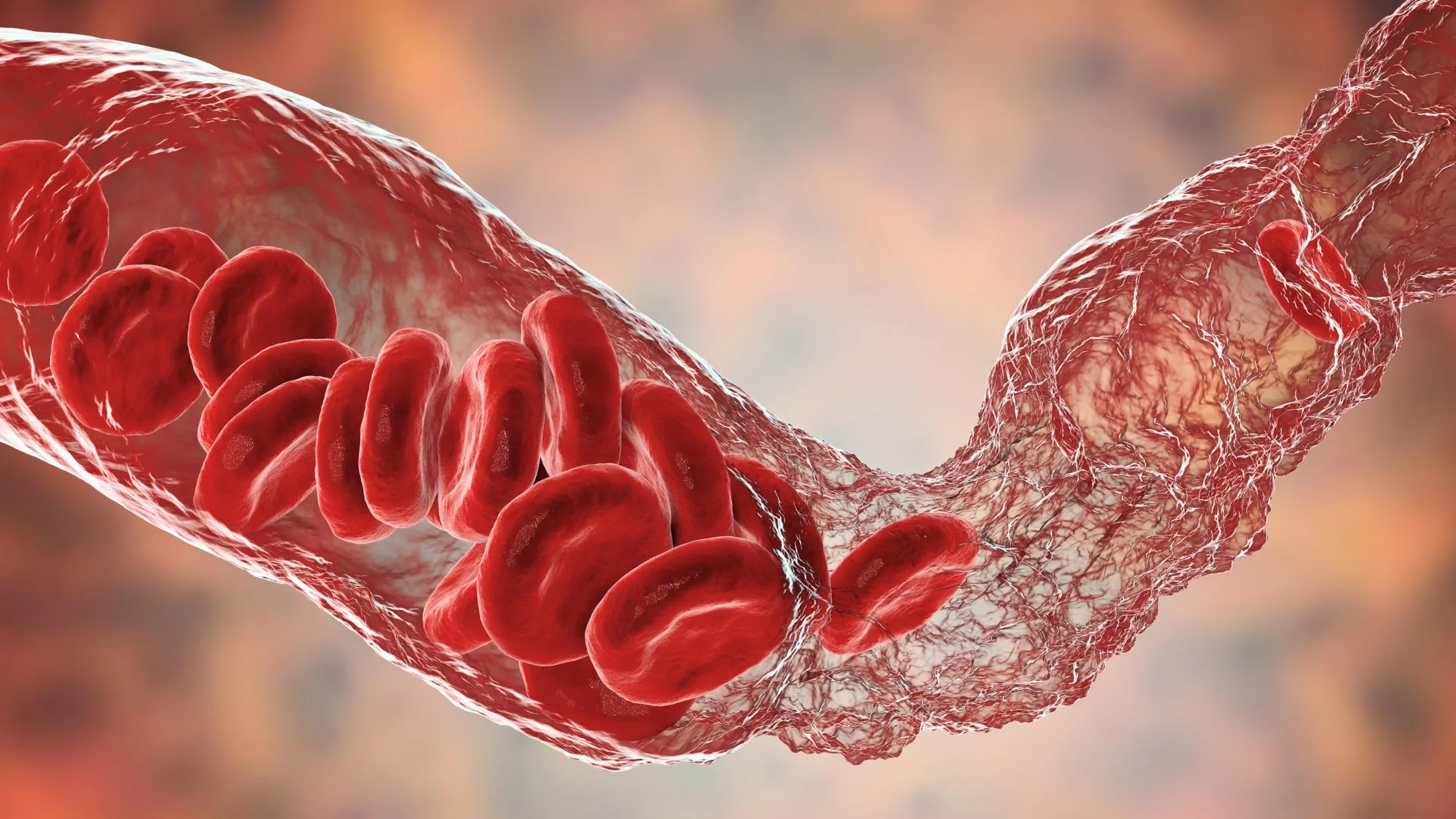
Even Mild Covid May Abandon Blood Vessels Five Years Older, Study Finds
The ongoing repercussions of the COVID-19 pandemic continue to unfold, with emerging research revealing potential long-term cardiovascular consequences even in individuals who experienced mild infections. A large-scale, international study published in the European Heart Journal suggests that COVID-19 can accelerate vascular aging, increasing the risk of heart disease and stroke. The findings, based on data from nearly 2,400 participants across 16 countries, indicate that even those who were not hospitalized due to COVID-19 exhibited signs of arterial stiffening compared to those who remained uninfected. This accelerated aging effect was particularly pronounced in women, raising concerns about potential sex-specific vulnerabilities to the virus’s long-term cardiovascular impacts.
Vascular aging is a natural process where arteries gradually lose their elasticity, becoming stiffer over time. This stiffening increases blood pressure and the workload on the heart, elevating the risk of cardiovascular events. Researchers have been investigating whether COVID-19 could exacerbate this process, and the recent CARTESIAN study provides compelling evidence that it does. The study’s lead author, Professor Rosa Maria Bruno from Université Paris Cité, France, emphasized the importance of identifying individuals at risk to prevent future heart attacks and strokes. “We know that Covid can directly affect blood vessels,” she stated. “We believe that this may result in what we call early vascular ageing, meaning that your blood vessels are older than your chronological age and you are more susceptible to heart disease.”
The CARTESIAN study, a prospective, multicentric cohort study, involved 34 centers across 16 countries – Austria, Australia, Brazil, Canada, Cyprus, France, Greece, Italy, Mexico, Norway, Turkey, the UK, and the US. Participants were recruited between September 2020 and February 2022 and categorized into four groups: individuals who had never contracted COVID-19, those with recent non-hospitalized infections, those hospitalized in general wards, and those requiring intensive care. Researchers assessed vascular age using a technique called carotid-femoral pulse wave velocity (PWV), which measures the speed at which a pulse wave travels between the carotid artery in the neck and the femoral arteries in the legs. A higher PWV indicates stiffer arteries and a greater vascular age. The study included 2,390 individuals with an average age of 50 years, and approximately 49.2% were women.
Key Findings: Women More Vulnerable to Vascular Impacts
After adjusting for confounding factors such as age, sex, and pre-existing cardiovascular conditions, the study revealed that all three groups of COVID-19-positive participants exhibited higher PWV levels compared to the COVID-19-negative control group. Specifically, the non-hospitalized group showed an increase of +0.41 m/s, the general ward group +0.37 m/s, and the ICU group +0.40 m/s (P < .001, P = .001 and P = .003, respectively). However, the differences were most significant in women. Women in the non-hospitalized, general ward, and ICU groups experienced PWV increases of +0.55 m/s, +0.60 m/s, and +1.09 m/s, respectively (P < .001 for all).
Researchers found that an increase of approximately 0.5 meters per second in PWV is “clinically relevant” and corresponds to roughly five years of vascular aging, increasing the risk of cardiovascular disease by around 3% in a 60-year-ancient woman. Notably, persistent symptoms of long COVID, such as shortness of breath and fatigue, were associated with even higher PWV levels in women, regardless of the severity of their initial infection. This suggests that the lingering effects of COVID-19 may contribute to accelerated vascular aging, particularly in female patients. The study also indicated that vaccination against COVID-19 was associated with less arterial stiffness compared to being unvaccinated.
Understanding the Mechanisms Behind Vascular Aging Post-COVID
The precise mechanisms driving this accelerated vascular aging remain under investigation, but several potential explanations have been proposed. Professor Bruno explained that the SARS-CoV-2 virus targets the angiotensin-converting enzyme 2 (ACE2) receptors, which are found on the lining of blood vessels. The virus uses these receptors to enter cells, potentially causing vascular dysfunction and accelerating the aging process. The study also points to the role of inflammation and the body’s immune response in contributing to vascular damage.
The observed differences between men and women may be linked to variations in immune function. Women generally mount a more robust and rapid immune response to infections, which can be protective but may also contribute to increased inflammation and damage to blood vessels. Dr. Behnood Bikdeli from Harvard Medical School, in an accompanying editorial published in the European Heart Journal, highlighted the emergence of post-acute COVID-19 syndrome, affecting up to 40% of initial survivors, and emphasized the necessitate to identify modifiable targets to mitigate these long-term cardiovascular risks. The World Health Organization defines post-acute COVID-19 syndrome as symptoms persisting for at least two months after the initial infection, appearing three months post-infection.
Implications for Public Health and Future Research
The findings of the CARTESIAN study have significant implications for public health strategies and future research efforts. The study underscores the importance of monitoring cardiovascular health in individuals following COVID-19 infection, particularly in women and those experiencing long COVID symptoms. Early detection of accelerated vascular aging allows for timely interventions, such as lifestyle modifications, blood pressure management, and cholesterol control, to reduce the risk of heart attacks and strokes.
Researchers are continuing to follow the study participants to determine whether the observed accelerated vascular aging translates into an increased incidence of cardiovascular events over time. Further investigation is also needed to elucidate the underlying mechanisms driving these effects and to identify potential therapeutic targets. The study’s authors suggest that future research should focus on developing strategies to prevent and mitigate vascular damage in individuals at risk of long COVID and its associated cardiovascular complications. The long-term consequences of the pandemic are still unfolding, and ongoing research is crucial to understanding and addressing the full spectrum of its health impacts.
Key Takeaways
- COVID-19, even in mild cases, can accelerate vascular aging, increasing the risk of cardiovascular disease.
- Women appear to be more vulnerable to the vascular effects of COVID-19 than men.
- Persistent symptoms of long COVID are associated with greater arterial stiffness.
- Vaccination against COVID-19 may offer some protection against vascular damage.
- Monitoring cardiovascular health post-COVID infection is crucial, particularly for at-risk individuals.
Professor Bruno and her team will continue to analyze data from the CARTESIAN study participants in the coming years to assess the long-term cardiovascular outcomes. The findings will be critical in informing clinical guidelines and public health recommendations aimed at protecting the cardiovascular health of individuals affected by the pandemic. Stay informed about the latest developments in COVID-19 research and consult with your healthcare provider if you have concerns about your cardiovascular health.
Do you have thoughts on this research? Share your comments below, and please share this article with your network to raise awareness about the potential long-term cardiovascular impacts of COVID-19.
Worth a look
- Chiba Lotte Marines Pitcher Naoya Masuda Reaches Historic 250 Saves in NPB
- Thore M趁’s Shocking Car Incident: Blood-Drama Leaves Moderator Terrified
- UFC Fighter Allan Nascimento Dies at 34 After Apparent Heart Attack (archyworldys.com)
- Walnuts vs. Almonds: Which Is Better for Heart Health? (newsdirectory3.com)