The origins of the COVID-19 pandemic have been the subject of intense debate, with theories ranging from natural zoonotic spillover to accidental release from a laboratory in China. Now, a new study published in the journal Cell offers compelling evidence supporting the natural origin hypothesis, finding no trace of laboratory manipulation in the virus’s genetic makeup. The research, conducted by scientists at the University of California, San Diego (UCSD), analyzes the evolutionary patterns of SARS-CoV-2, the virus that causes COVID-19, alongside those of five other viruses known to have jumped from animals to humans.
For years, the debate has centered on whether the virus could have been engineered or modified in a lab before its emergence. Some scientists, including Dr. Jay Batracharia of the U.S. National Institutes of Health (NIH), have argued that the virus’s rapid and efficient infection of human cells and high transmissibility suggest it may not have arisen naturally. However, the new UCSD study provides a powerful genetic argument against this claim, bolstering the consensus view of the World Health Organization (WHO) that the virus originated in animals and spread to humans naturally. This research offers a new method for distinguishing between viruses that evolved naturally and those that may have been altered in a laboratory setting, a crucial capability as the world prepares for future pandemics.
Unraveling Viral Evolution: A Genetic Fingerprint
The UCSD team, led by researchers Jennifer Havens and Joel Wertheim, developed a novel analytical approach to trace the evolutionary history of viruses that have made the jump from animals to humans. Their method focuses on comparing genetic variations at three key stages: when the virus is circulating solely among animals, immediately before its transmission to humans, and after it has begun to spread between people. The core principle behind this approach is that viruses evolve differently depending on their environment. In natural settings, the immune systems of host animals constantly filter and constrain viral mutations. However, in a laboratory environment, this selective pressure is absent, leading to a distinct pattern of genetic changes.
The researchers analyzed six viruses – the 2009 H1N1 influenza pandemic virus, the Ebola virus responsible for the 2013-2016 West Africa outbreak, the Angola Marburg virus (2004-2005), the 2022 monkeypox virus (now known as mpox), Severe Acute Respiratory Syndrome (SARS), and SARS-CoV-2. Their findings revealed a consistent pattern: in all six cases, the genetic variations observed immediately before transmission to humans closely mirrored those found within the animal host. This suggests that the viruses did not undergo significant pre-adaptation in a laboratory setting, but rather evolved the ability to infect humans relatively spontaneously.
The Role of Human Adaptation and Viral Mutation
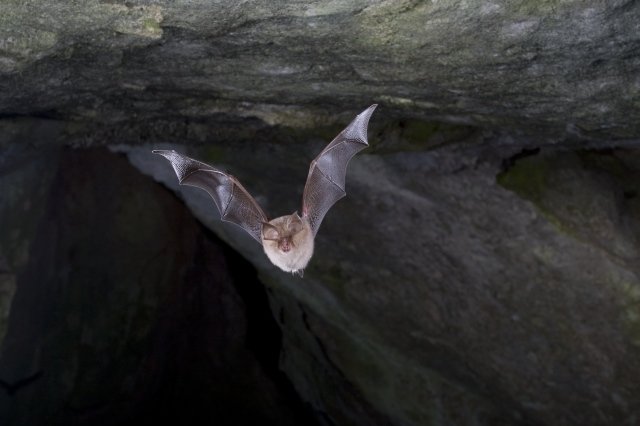
The study highlights that significant changes in the viral genome occurred *after* transmission to humans. For example, the 2009 H1N1 influenza virus developed mutations that were disadvantageous in pigs but proved beneficial for spreading among humans. Similar patterns were observed with Ebola and mpox, where distinct genetic shifts emerged only after human-to-human transmission began. Crucially, SARS-CoV-2 exhibited the same trend. Before infecting humans, the virus’s genetic profile was virtually indistinguishable from that of bat coronaviruses. This finding strongly suggests that the virus did not undergo prolonged cultivation in a laboratory or an intermediate animal host before its emergence in the human population.
The researchers emphasize that the virus’s ability to infect humans was likely a matter of chance. As Professor Wertheim explained, “If SARS-CoV-2 had been cultivated in a lab, we would have expected to observe a laboratory-specific pattern of mutations, similar to what we observed with the 1977 influenza virus.” The 1977 H1N1 influenza strain, dubbed the “Russian flu,” is the sole exception in their analysis. Genetic analysis revealed that its evolutionary pattern closely matched that of viruses grown in a laboratory, supporting the hypothesis that it was the result of an accidental release from a Soviet or Chinese research facility during vaccine production. According to a report in the Money Today, this incident involved the revival of an old virus strain for vaccine development.
The 1977 Influenza Outbreak: A Case Study in Lab Origins
The 1977 influenza pandemic provides a stark contrast to the COVID-19 outbreak. The H1N1 virus responsible for the “Russian flu” exhibited genetic markers indicative of long-term laboratory cultivation. This finding supports the widely accepted theory that the virus was accidentally released from a laboratory in the Soviet Union or China during vaccine production. The incident serves as a cautionary tale about the potential risks associated with handling and manipulating dangerous pathogens. The genetic fingerprint of the 1977 strain, distinct from naturally circulating viruses, allowed scientists to confidently trace its origins back to a laboratory setting.
Implications for Pandemic Preparedness and Future Research
The UCSD study’s findings have significant implications for pandemic preparedness and the ongoing investigation into the origins of emerging infectious diseases. By establishing a clear genetic distinction between naturally evolved viruses and those with potential laboratory origins, the research provides a valuable tool for rapidly assessing the source of future outbreaks. This capability is crucial for implementing effective public health measures and preventing the spread of disease.
The study also underscores the importance of continued surveillance of animal reservoirs for novel viruses. Zoonotic spillover events – the transmission of pathogens from animals to humans – are a major driver of emerging infectious diseases. Understanding the evolutionary dynamics of viruses in animal populations can help identify potential pandemic threats before they emerge. The research highlights the need for robust biosafety protocols in laboratories working with dangerous pathogens to minimize the risk of accidental releases.
The findings do not entirely close the door on further investigation into the origins of COVID-19. While the genetic evidence strongly supports a natural origin, the precise animal source of the virus remains unknown. Ongoing research efforts are focused on identifying the intermediate host that facilitated the transmission of SARS-CoV-2 from bats to humans. As reported by the Chosun Biz, scientists continue to analyze viral genomes to pinpoint the exact evolutionary pathway of the virus.
Key Takeaways:
- A new study in Cell provides strong genetic evidence supporting the natural origin of COVID-19.
- Researchers found no evidence of laboratory manipulation in the virus’s genetic makeup.
- The study establishes a method for distinguishing between naturally evolved viruses and those with potential laboratory origins.
- The 1977 influenza pandemic serves as a case study of a virus likely released from a laboratory.
- Continued surveillance of animal reservoirs and robust biosafety protocols are crucial for pandemic preparedness.
The scientific community will continue to refine our understanding of the origins of COVID-19. The next step in this investigation will likely involve further analysis of viral genomes and continued efforts to identify the animal source of the virus. We encourage readers to stay informed about the latest developments from reputable sources, such as the World Health Organization and the U.S. Centers for Disease Control and Prevention. Share your thoughts and questions in the comments below.