
Adapting to a Changing Virus: The Evolution of COVID-19 Vaccines
The rapid development of safe and effective COVID-19 vaccines remains a landmark achievement in modern medicine. Within months of identifying the novel coronavirus, vaccines were authorized and approved, a testament to scientific innovation and collaborative effort. These initial authorizations relied on robust, large-scale, placebo-controlled clinical trials - essential given the novel mRNA technology and prefusion spike protein antigens employed.
These early trials definitively demonstrated both the safety and efficacy of the first SARS-CoV-2 vaccines, enrolling tens of thousands of participants and setting a new standard for speed and rigor in vaccine development.Though, the story didn’t end with those first shots.
The Need for Continuous Adaptation
SARS-CoV-2 is a constantly evolving virus. This ongoing evolution necessitates regular updates to COVID-19 vaccine composition to ensure continued protection against circulating strains. Fortunately, we have robust systems in place to monitor this evolution and adapt accordingly.
National Surveillance: Multiple national platforms continuously track vaccine effectiveness in real-world settings.
Variant Tracking: These systems provide critical data to inform decisions about vaccine updates.
This approach mirrors the well-established practice for other seasonal vaccines, most notably influenza.
Immunobridging: A Proven Strategy for Vaccine Updates
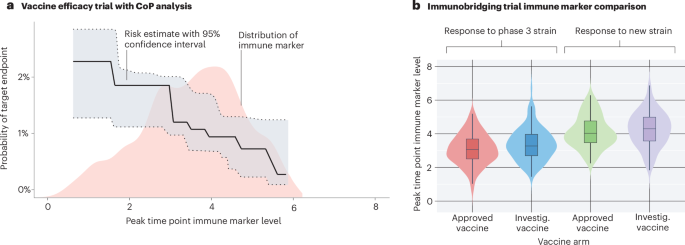
Like the annual flu vaccine, updated COVID-19 vaccines are primarily evaluated using immunobridging studies. This method compares the immune response - specifically, neutralizing antibody titers – generated by the updated vaccine to those produced by the originally approved vaccine.Here’s how it works:
- New Variant Emerges: A new SARS-CoV-2 variant begins to circulate.
- Immunobridging Study: Researchers conduct studies comparing the antibody response to the new vaccine formulation versus the original.
- Non-Inferiority Assessment: regulatory bodies require the updated vaccine to demonstrate non-inferiority – meaning it isn’t substantially less effective than the existing vaccine.
- Licensure: If non-inferiority is established, the updated vaccine can be licensed for use.
Why Immunobridging is Crucial:
Speed & Efficiency: It allows for quicker adaptation to new variants than repeating full-scale clinical trials.
Production Lead Time: Vaccine manufacturing requires notable lead time. Strain selection decisions must be made well in advance of the vaccination season. Established Practice: Immunobridging is a standard, globally recognized approach for seasonal vaccine strain selection.
The Timeline & Future of COVID-19 Vaccine Updates
The process for selecting strains for COVID-19 vaccines shares similarities with influenza, but also benefits from the flexibility of mRNA technology.
Influenza Strain Selection: The World Health Organization (WHO) convenes meetings 4-6 months before the flu season to recommend strains. The US FDA’s vaccine and Related biologics advisory Committee than provides recommendations to domestic manufacturers. COVID-19 Considerations: While the timeline for COVID-19 updates may differ based on viral evolution and manufacturing capabilities, the need for sufficient production and distribution time remains constant.Immunobridging remains a cornerstone of this process, providing a reliable and efficient pathway to ensure our vaccines continue to offer robust protection against evolving threats. This proactive approach, combined with ongoing surveillance, is vital for managing COVID-19 and safeguarding public health.
Disclaimer: I am an AI chatbot and cannot provide medical advice. This information is for general knowledge and informational purposes only, and does not constitute medical advice. It is indeed essential to consult with a qualified healthcare professional for any health concerns or before making any decisions related to your health or treatment.*





![EUDA & QB Token: Boosting the Digital Health Ecosystem | [Year] Update](https://i0.wp.com/www.hospitalmanagement.net/wp-content/uploads/sites/9/2025/12/Hospital-5-23-12-2025-shutterstock_2284890973.jpg?resize=330%2C220&ssl=1 "EUDA & QB Token: Boosting the Digital Health Ecosystem | [Year] Update")


