
For millions of people worldwide, the rollout of COVID-19 vaccines was framed as a collective necessity—a shield for the vulnerable and a passport back to normalcy. In South Korea, this push was so pervasive that vaccination functioned as a de facto social obligation. However, five years after the first doses were administered, a painful dichotomy has emerged: even as the state encouraged the shots to protect the public, the burden of proving harm from adverse reactions has fallen squarely on the shoulders of the individuals and their grieving families.
As a physician and journalist, I have seen how the intersection of public health policy and individual patient safety can grow a legal battlefield. In South Korea, this tension is reaching a breaking point. Bereaved families are now calling for a systemic overhaul of how vaccine injuries are recognized and compensated, arguing that the current “causality” requirements are an insurmountable barrier to justice.
The core of the controversy lies in the rigid standards used to determine whether a death or severe illness was caused by a vaccine. For many families, the journey toward compensation has been a descent into bureaucratic indifference, where they are treated as “simple complainants” rather than victims of a public health initiative. The struggle highlights a critical question in global healthcare policy: when a government mandates or strongly encourages a medical intervention for the greater good, who should bear the risk when that intervention fails?
The Causality Gap: A 24.6% Recognition Rate
The primary obstacle for claimants is the “recognition of causality.” To receive government support, the applicant must prove a direct link between the vaccine and the adverse event. According to reports on the current state of compensation, only 24.6% of all compensation applications have had their causality recognized. This means more than three-quarters of claimants are left without financial or medical support, regardless of the severity of their condition.
The situation becomes even more dire for those suffering from “severe” or fatal reactions. In these cases, the evidentiary burden is significantly higher. Families often find themselves in a position where they must provide scientific proof that often requires a level of medical expertise and funding that the average citizen does not possess. This creates a systemic imbalance where the state holds the data and the resources, while the victim holds the grief and the medical bills.
Institutional Conflict: The BAI Audit and the KDCA
The tension between government oversight and health administration was laid bare in early 2024. In February, the Board of Audit and Inspection (BAI) released findings suggesting that there were procedural problems during the COVID-19 vaccination process. This audit provided a glimmer of hope for families who believed the government had been negligent in its rollout.
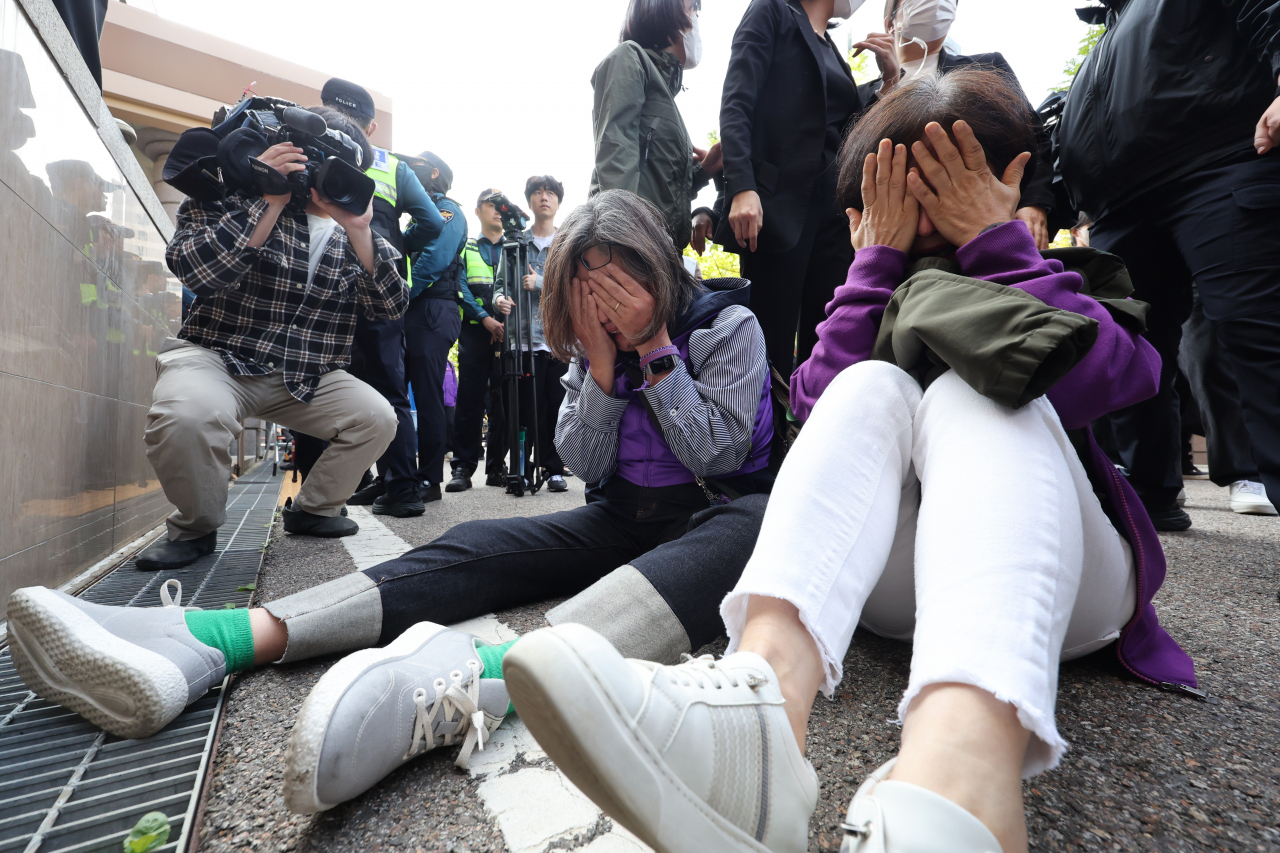
However, the response from the Korea Disease Control and Prevention Agency (KDCA) was swift and dismissive. Within a single day of the audit’s release, the KDCA countered that any vaccines with procedural issues were not actually administered to the public. This contradiction has sparked outrage among bereaved families, who argue that the agency is protecting its own reputation rather than seeking the truth. Families have pointed out that vaccines from the same production batches and serial numbers were used, making the agency’s claim—that only some “problematic” doses were excluded—highly suspect according to reports on the dispute.
Legal Battles and the Burden of Appeal
While the administrative route through the KDCA has proven frustrating, the judicial system has offered some relief. Courts have begun to issue rulings stating that the government should be held responsible for compensating victims of vaccine side effects. These rulings often recognize that the state’s role in promoting the vaccine creates a higher duty of care toward those who suffer harm.
Despite these court victories, the path to payment remains obstructed. The KDCA has a history of appealing court decisions that favor the victims. For a grieving family, a court victory is often just the beginning of a new, expensive legal battle. The financial and emotional toll of fighting a government appeal is so high that some families are forced to abandon their claims entirely, even after a judge has recognized the causality of their loss as reported by health news outlets.
Key Challenges for Vaccine Claimants
- Strict Causality Standards: The requirement to prove a direct link often ignores pre-existing conditions that may have been exacerbated by the vaccine.
- Administrative Resistance: The KDCA’s tendency to appeal court rulings increases the litigation burden on individuals.
- Lack of Regional Support: While some local governments have attempted to step in, many regions lack dedicated support systems for vaccine victims.
- Information Asymmetry: The government controls the data regarding vaccine batches and distribution, making independent verification difficult for families.
The Ethics of “Social Obligation”
From a public health perspective, the argument for state-led compensation is rooted in the concept of social solidarity. When a population is asked to capture a medical risk for the benefit of the community—such as achieving herd immunity—the community, via the state, must assume the risk for those who are harmed. This is a standard principle in many no-fault vaccine injury compensation programs globally.
Medical experts argue that since the vaccination drive was effectively a “social obligation,” the burden of proof should shift. Instead of requiring the individual to prove the vaccine did cause the harm, the state should be required to prove the vaccine did not cause it, or at least provide a more lenient “presumption of causality” for severe reactions occurring within a specific window after injection. Without this shift, the trust between the public and health authorities risks permanent erosion.
The current struggle in South Korea is not merely about money; it is about the recognition of suffering. To be told that a death is “unrelated” to a vaccine—despite the timing and the lack of other explanations—is a second trauma for the families involved. The demand for a more transparent, compassionate, and fair compensation system is a demand for the state to honor the sacrifice of those who complied with public health mandates only to pay the ultimate price.
Summary of the Compensation Conflict
| Stakeholder | Primary Position | Key Argument |
|---|---|---|
| Bereaved Families | Demand expanded compensation | Vaccination was a social obligation; the state must bear the risk. |
| KDCA | Strict adherence to causality | Only scientifically proven links should be compensated to avoid misuse. |
| Courts | Increasingly favoring victims | Government liability exists when public health mandates lead to harm. |
| BAI (Audit) | Identified procedural flaws | The vaccination process contained errors that merit investigation. |
The next critical checkpoint for these families will be the outcome of ongoing court appeals and whether the government will respond to the BAI’s audit findings with a revised compensation policy. As more legal precedents are set, the pressure on the KDCA to broaden its criteria for causality will likely increase.
What are your thoughts on the balance between public health mandates and individual liability? We encourage you to share this article and join the conversation in the comments below.