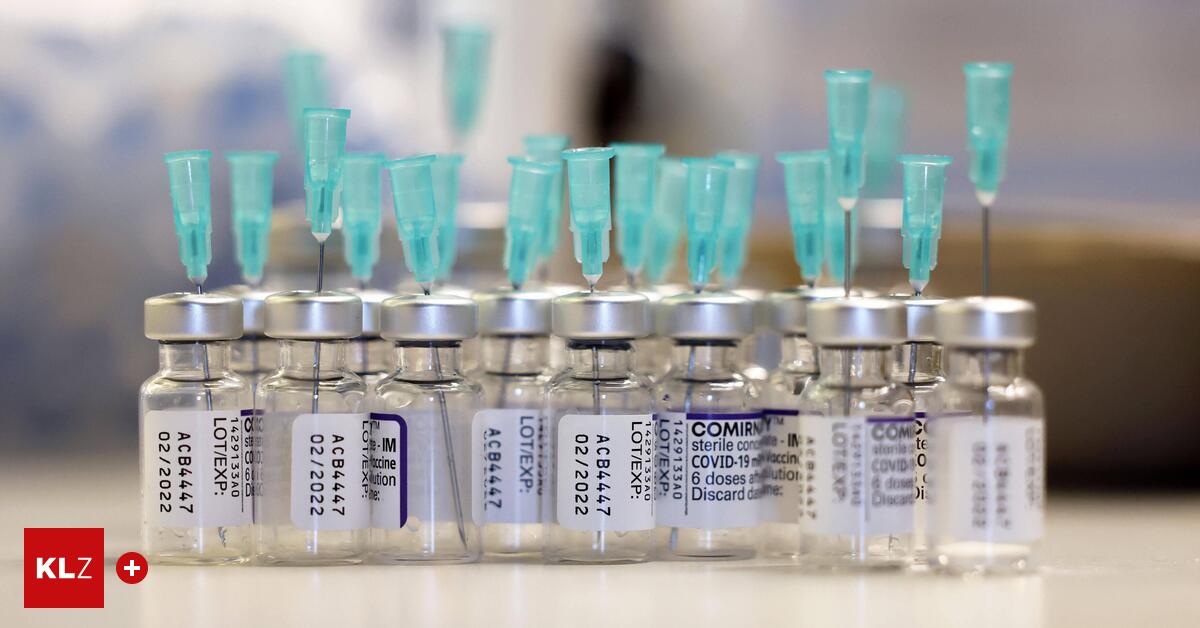
Berlin – Health authorities are poised to authorize a combination vaccine offering protection against both COVID-19 and influenza, potentially streamlining annual vaccination campaigns. The European Medicines Agency (EMA) has given the green light to Moderna’s combined vaccine, intended for individuals aged 50 and older, but final approval rests with the European Commission.
This development marks a significant step forward in preventative healthcare, offering a more convenient option for individuals seeking to shield themselves from two prevalent respiratory viruses. The EMA’s decision follows a thorough review of clinical trial data submitted by Moderna Biotech Spain S.L., demonstrating the safety and efficacy of the vaccine. The combination vaccine, known as Spikevax LP.8.1 (adapted), received authorization from the EMA on July 24, 2025, according to the agency’s records. The EMA provides a comprehensive overview of authorized COVID-19 medicines.
Streamlining Immunization: The Benefits of a Combined Approach
Currently, many individuals receive separate vaccinations for COVID-19 and influenza each year. A combined vaccine simplifies this process, potentially increasing vaccination rates and reducing the burden on healthcare systems. The convenience factor is expected to be particularly appealing to those who may be hesitant to schedule multiple appointments or undergo multiple injections. The EMA’s approval underscores the growing recognition of the benefits of combination vaccines in tackling multiple infectious diseases simultaneously.
Spikevax, previously known as the COVID-19 Vaccine Moderna, has been a cornerstone of the vaccination efforts against the coronavirus. The EMA details the specifics of Spikevax, which is approved for use in people from the age of 6 months. The adapted version, Spikevax LP.8.1, is designed to target currently circulating variants of both COVID-19 and influenza, ensuring continued protection against evolving strains.
How the Moderna Combination Vaccine Works
The Moderna combination vaccine utilizes mRNA technology, a platform that has proven highly effective in the development of COVID-19 vaccines. MRNA vaccines function by delivering genetic instructions to the body’s cells, prompting them to produce proteins that trigger an immune response. This process allows the body to develop immunity without being exposed to the actual virus. The combined vaccine contains mRNA sequences for both the COVID-19 virus and influenza viruses, stimulating a broad immune response against both pathogens.
The EMA’s assessment involved a rigorous evaluation of the vaccine’s quality, safety, and efficacy. Clinical trials demonstrated that the combination vaccine elicited a robust immune response against both COVID-19 and influenza, comparable to that achieved with separate vaccinations. The most common side effects observed in clinical trials were mild to moderate, including pain at the injection site, fatigue, headache, and muscle aches – similar to those experienced with existing COVID-19 and influenza vaccines.
The Path to EU-Wide Availability
While the EMA has authorized the vaccine, the final step involves approval from the European Commission. The Commission will review the EMA’s recommendation and, if approved, will grant marketing authorization for the vaccine across all EU member states. This process typically takes several weeks, and health authorities across Europe are preparing for the potential rollout of the combination vaccine in the coming months.
The target population for the initial rollout is individuals aged 50 and older, a demographic at higher risk of severe illness from both COVID-19 and influenza. However, health authorities may consider expanding the eligibility criteria based on vaccine supply and evolving epidemiological data. National immunization programs will likely incorporate the combination vaccine into their annual vaccination schedules, offering it alongside other recommended vaccines.
Potential Impact on Public Health
The introduction of a combined COVID-19 and influenza vaccine has the potential to significantly reduce the burden of respiratory illness in Europe. By simplifying the vaccination process and increasing uptake, the vaccine could help to prevent hospitalizations, reduce healthcare costs, and protect vulnerable populations. The combination vaccine likewise offers a valuable tool in managing the ongoing threat of emerging variants of both viruses.
Public health experts emphasize the importance of continued vaccination as a key strategy in controlling the spread of infectious diseases. While vaccination rates have increased in recent years, there remains a need to address vaccine hesitancy and ensure equitable access to vaccines for all populations. The convenience of a combined vaccine may help to overcome some of these barriers and encourage more people to gain vaccinated.
Looking Ahead: Future Developments in Combination Vaccines
The development of the Moderna combination vaccine represents a significant milestone in the field of vaccine technology. Researchers are actively exploring the possibility of developing combination vaccines that protect against multiple infectious diseases, including respiratory syncytial virus (RSV) and other common pathogens. These efforts could lead to even more streamlined and effective immunization strategies in the future.
The success of the Moderna combination vaccine could also pave the way for the development of personalized vaccines tailored to individual immune profiles and risk factors. Advances in mRNA technology and genomic sequencing are making this possibility increasingly feasible. The future of vaccination is likely to be characterized by greater precision, convenience, and effectiveness.
The European Commission’s decision on the Moderna combination vaccine is eagerly awaited by health authorities and the public alike. Once approved, the vaccine will offer a valuable new tool in the fight against respiratory illness, helping to protect individuals and communities from the ongoing threat of COVID-19 and influenza. The EMA will continue to monitor the safety and efficacy of the vaccine as It’s rolled out across Europe.
Next Steps: The European Commission is expected to make a final decision on the Moderna combination vaccine in the coming weeks. Further updates will be available on the EMA website and through national health authorities. Stay informed and consult with your healthcare provider to determine the best vaccination strategy for your individual needs.
What are your thoughts on the new combination vaccine? Share your comments below, and please share this article with your network.
Worth a look