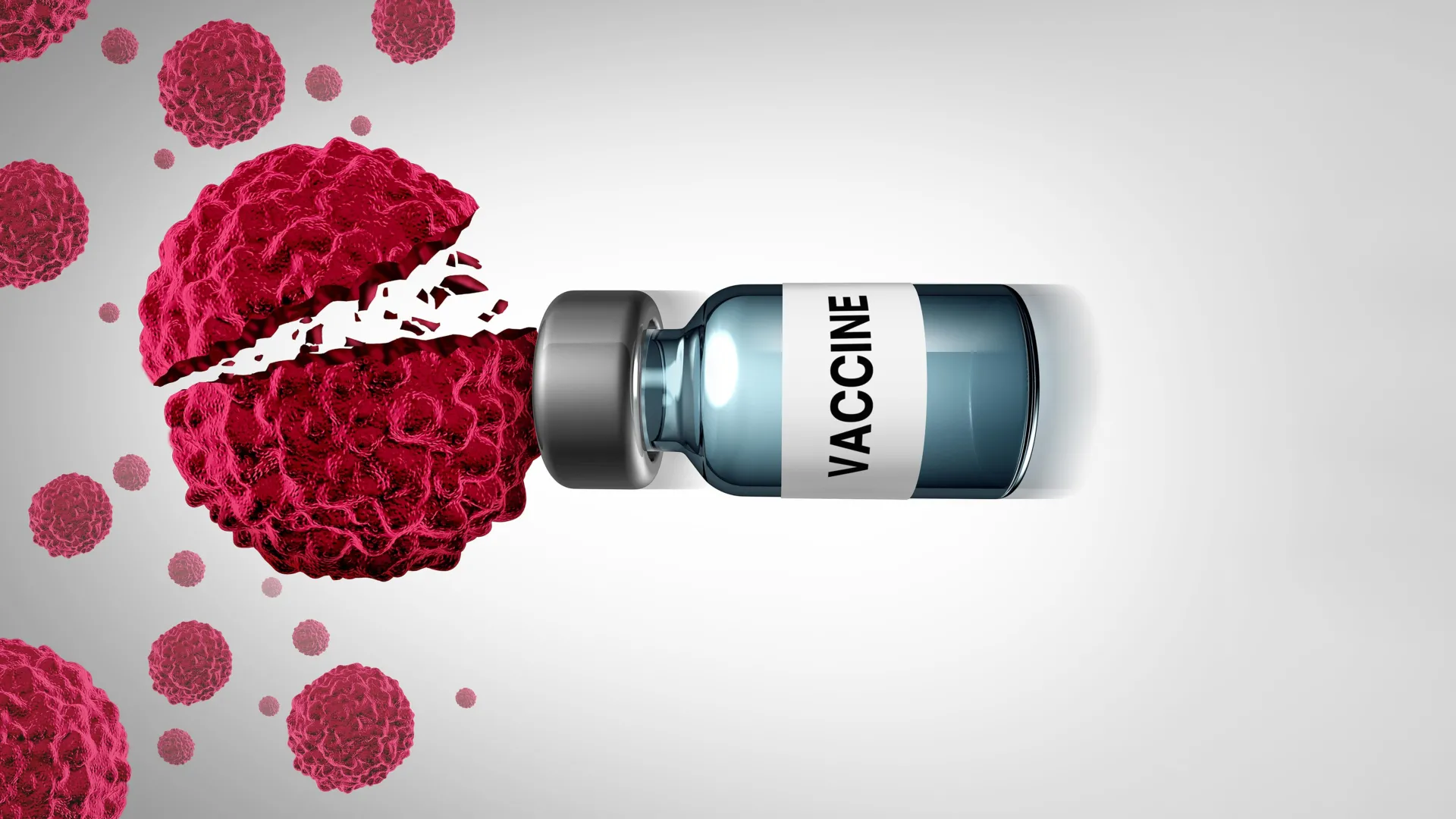
COVID-19 mRNA Vaccines May Significantly Boost Immunotherapy Effectiveness in Cancer Patients: A Promising New Avenue for Treatment
For patients battling advanced cancers, even incremental improvements in survival rates can be profoundly impactful. Emerging research from the University of Florida (UF) and MD Anderson Cancer Center suggests a surprising and potentially transformative link: receiving a COVID-19 mRNA vaccine before or shortly after initiating immunotherapy can dramatically improve outcomes for individuals with non-small cell lung cancer and metastatic melanoma. This revelation, while requiring further validation, represents a pivotal moment in cancer treatment and opens the door to exploring the potential of “universal” immune-boosting vaccines.
The Unexpected Connection: Immunotherapy and the COVID-19 Vaccine
Immunotherapy, a cornerstone of modern cancer treatment, works by unleashing the body’s own immune system to recognize and attack cancer cells. These therapies often “release the brakes” on immune responses, allowing T-cells to more effectively target and destroy tumors. Though, many patients with advanced disease stages don’t respond well to immunotherapy, frequently enough having exhausted other treatment options like surgery, radiation, and chemotherapy.
Researchers, led by Dr. Samer Sayour at UF and collaborating with colleagues at MD anderson,began investigating whether prior COVID-19 vaccination might influence immunotherapy response. The initial question stemmed from observations suggesting a potential parallel between the way mRNA vaccines stimulate an immune response and the principles behind nonspecific vaccines – those designed to broadly activate the immune system.
Analyzing Real-World Patient data Reveals a Striking Trend
The team meticulously analyzed data from over 900 patients with Stage 3 and 4 non-small cell lung cancer and metastatic melanoma treated between 2019 and 2023 at MD Anderson. The results were compelling.Patients who received a COVID-19 mRNA vaccine within 100 days of starting immunotherapy experienced a notable increase in survival.
Specifically:
* Lung cancer: Median survival nearly doubled for lung cancer patients who received the vaccine, increasing from 20.6 months to 37.3 months.
* Melanoma: Median survival for melanoma patients increased from 26.7 months to a range of 30-40 months, with some patients still alive at the time of data collection, suggesting the benefit could be even greater.
Importantly,the benefit was most pronounced in patients whose tumors were less likely to respond to immunotherapy based on their molecular characteristics. This suggests the vaccine is notably effective in “priming” the immune system in individuals who would or else have limited response. Unlike non-mRNA vaccines for pneumonia or influenza, which showed no impact on longevity, the mRNA vaccines demonstrated a clear positive correlation.
how Does it Work? A “Flare” for the Immune System
Laboratory studies in mice further supported these clinical observations.Researchers found that combining immunotherapy with an mRNA vaccine targeting the COVID-19 spike protein could convert previously resistant tumors into those that responded to treatment, effectively halting tumor growth.
Dr. Sayour explains the mechanism: “One of the mechanisms for how this works is when you give an mRNA vaccine, that acts as a flare that starts moving all of these immune cells from bad areas like the tumor to good areas like the lymph nodes.” This “flare” essentially re-energizes and re-directs the immune system, enhancing its ability to target and destroy cancer cells.
Moving Towards Confirmatory Trials and a Universal Vaccine Future
While these findings are highly encouraging, Dr. Duane Mitchell, director of the UF clinical and Translational Science Institute, emphasizes the need for rigorous confirmation. “Although not yet proven to be causal, this is the type of treatment benefit that we strive for and hope to see with therapeutic interventions – but rarely do,” he stated. “I think the urgency and importance of doing the confirmatory work can’t be overstated.”
To that end, a large, prospective clinical trial is being launched through the UF-led OneFlorida+ Clinical Research Network, a multi-state consortium of healthcare institutions. This trial will be crucial in establishing a causal link between COVID-19 mRNA vaccination and improved immunotherapy outcomes.
Looking beyond COVID-19, researchers envision the possibility of designing a “universal” vaccine that could broadly stimulate the immune system, enhancing the effectiveness of immunotherapy across a wider range of cancers. “If this can double what we’re achieving currently, or even incrementally — 5%, 10% — that means a lot to those patients,” says Dr. Sayour. ”Especially if this can be leveraged across different cancers for different patients.”
Expert Perspective & Trustworthiness
This research represents a significant step forward in our understanding of the interplay between vaccination and cancer treatment. The study’s strength lies in its real-world data analysis, supported
Worth a look