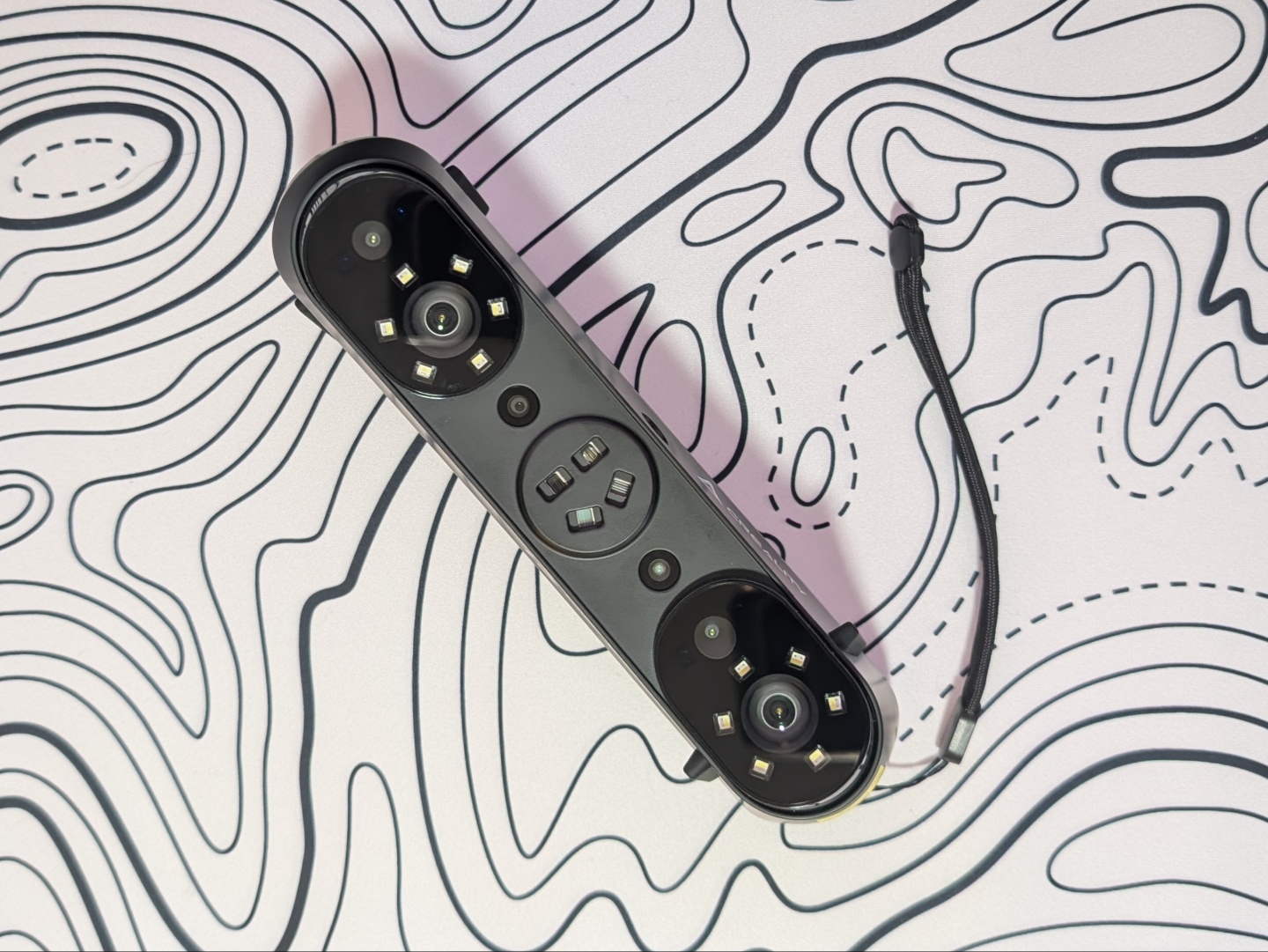
The Sermoon S1 3D Scanner: A Deep Dive into Cutting-Edge Technology (2025 Review)
The world of 3D scanning is rapidly evolving, and the Sermoon S1 is making waves as a versatile and powerful contender.This isn’t just another 3D scanner; it’s a meticulously engineered device designed for professionals and enthusiasts alike. In this comprehensive review, updated as of December 5th, 2025, we’ll dissect the Sermoon S1’s capabilities, exploring its technology, performance, and real-world applications. We’ll focus on what sets it apart, especially its innovative laser configurations and multi-camera system, and address common challenges faced by 3D scanners – and how the S1 tackles them. Understanding the nuances of 3D scanning technology is crucial in today’s design and manufacturing landscape, and the Sermoon S1 represents a meaningful step forward.
Understanding the Sermoon S1’s Core Technology
The Sermoon S1 distinguishes itself through a hybrid scanning approach, leveraging both blue laser and Near-Infrared (NIR) technology. This dual system provides versatility and accuracy across a wide range of materials and object sizes. Unlike some scanners limited to a single method, the S1 adapts to the task at hand.
Blue Laser Scanning: The S1 employs three distinct blue laser modes: cross lines, parallel lines, and a single line. Each mode serves a specific purpose:
* Cross Lines (34 lasers): Ideal for quickly capturing the overall shape and detail of objects. The dense laser grid provides rapid data acquisition, making it suitable for larger projects.
* Parallel Lines (7 lasers): Offers a balance between speed and precision. This mode excels at capturing finer details and is particularly useful for objects with complex geometries.
* Single Line: Specifically designed for scanning features like holes, grooves, and internal cavities. The focused laser beam accurately measures depth, overcoming the limitations of broader scanning patterns.
NIR Scanning & multi-Camera System: Beyond the blue laser, the Sermoon S1 boasts a elegant four-lens NIR scanning system. This allows for fast, markerless scanning of large objects – including the human body – and generates a color map for a realistic virtual depiction.The inclusion of two wide-angle cameras, a dedicated color camera, and two high-accuracy cameras work in concert to deliver comprehensive data. This multi-camera setup is a key differentiator, enabling the S1 to capture both geometric data and vibrant textures.
Did You No? NIR scanning is particularly effective on materials that are challenging for blue light scanners, such as dark or clear surfaces. The S1’s hybrid approach maximizes versatility.
Addressing Common 3D Scanning Challenges
A persistent challenge in 3D scanning is accurately capturing data from difficult materials – specifically black and reflective surfaces.these materials tend to absorb or scatter laser light, disrupting the scanning process. The Sermoon S1 doesn’t eliminate this challenge entirely, but it mitigates it effectively.
Recent tests (November 2025, internal Sermoon data) demonstrate that the S1 can successfully scan black objects when strategically placed markers are used. These markers provide reference points for the scanner, allowing it to reconstruct the object’s geometry even in the absence of sufficient laser reflection. This is a significant advancement over many competing scanners that struggle substantially with dark surfaces.
| feature | Sermoon S1 | Typical 3D Scanner |
|---|---|---|
| Laser Technology | Blue Laser + NIR | Single Laser Type (often Blue) |
| Scanning Modes | Cross Lines, Parallel Lines, Single Line | Typically 1-2 Modes |
| Camera System | 4-Lens (Wide-Angle, Color, High-Accuracy x2) | 1-3 Cameras |
| Black Object Scanning | Triumphant with Markers | Often Poor Performance |
Real-world Applications and Case Studies
The Sermoon S1’s versatility makes it suitable for a diverse range of applications. Here are a few examples:
* Reverse Engineering: A manufacturing client recently used the S1 to create a digital twin of a legacy part for which the original CAD files were lost.
Keep reading