Understanding the structure of student lines of credit in Canada is essential for managing personal debt and maintaining a healthy credit score. Unlike traditional student loans, which are often government-backed, a student line of credit is a flexible borrowing product offered by private financial institutions that requires careful management of interest payments and credit utilization ratios to avoid long-term financial impacts.
According to the Financial Consumer Agency of Canada (FCAC), these products allow students to borrow funds as needed up to a pre-approved limit, with interest typically accruing immediately on the balance used. Because these accounts are reported to credit bureaus, the manner in which a student manages their available credit—specifically the percentage of the limit utilized—directly influences their credit history and future borrowing capacity.
The Mechanics of Credit Utilization and Credit Scores
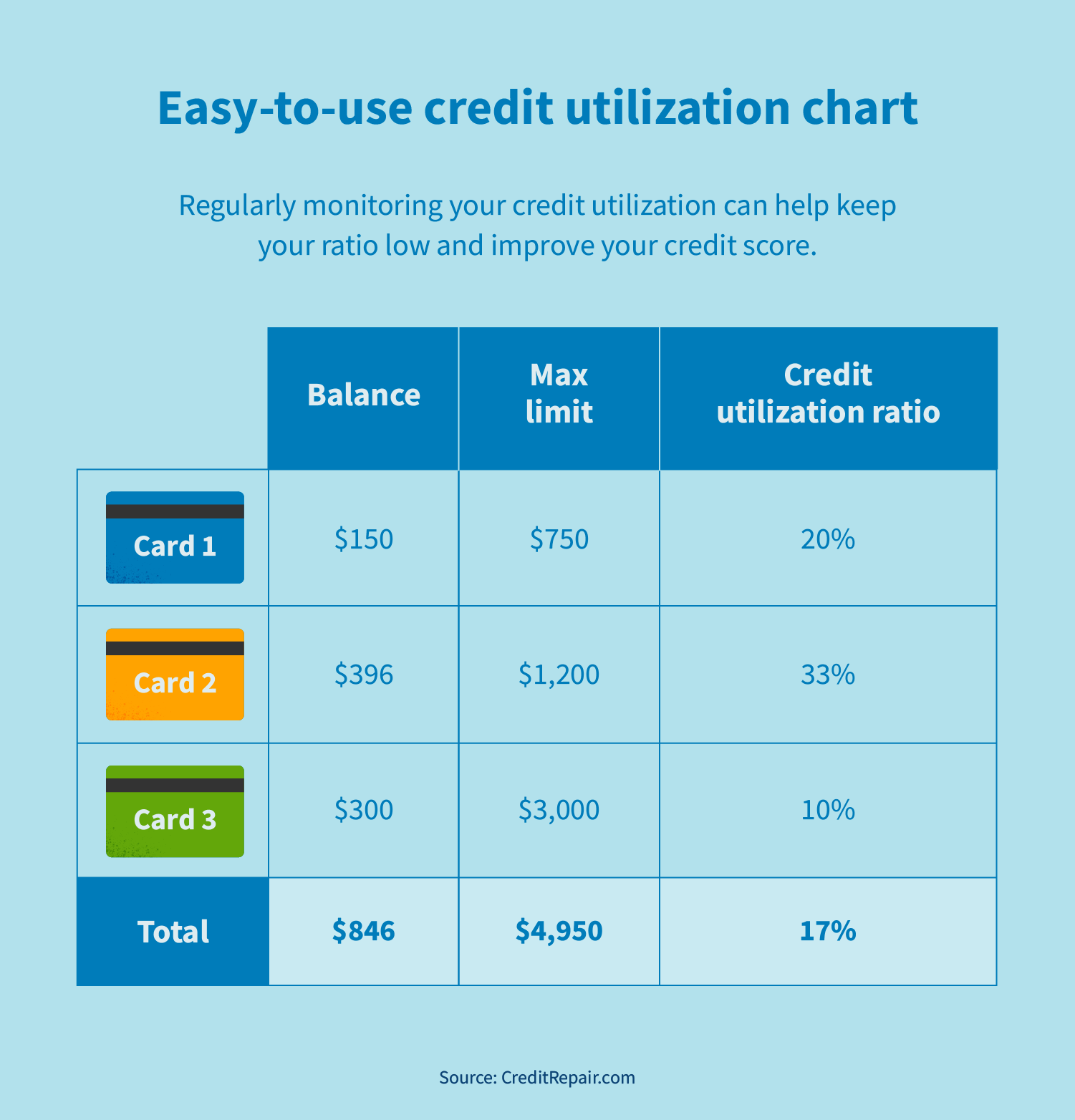
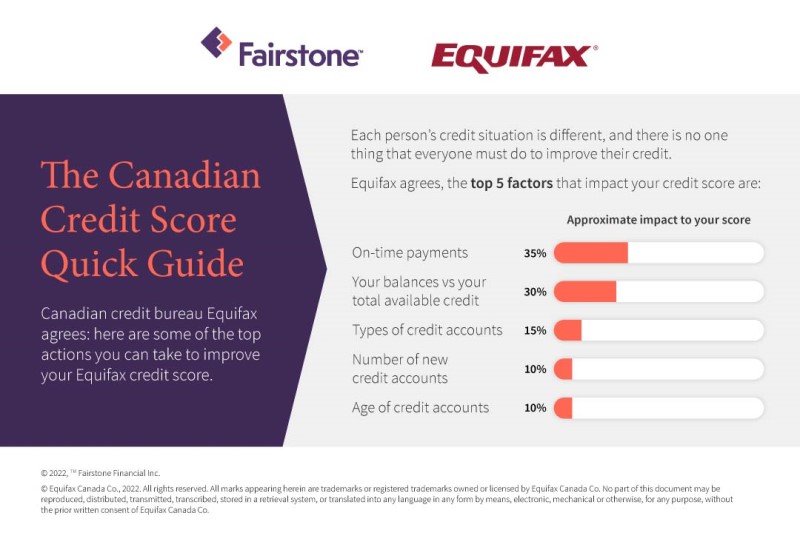
A primary factor in calculating an individual’s credit score is the credit utilization ratio, which measures the amount of revolving credit currently being used relative to the total limit available. Financial experts generally advise keeping this ratio below 30% to 35% to maintain a strong credit profile. When a student consistently uses more than 35% of their available student line of credit, it may signal to lenders that the borrower is overextended, which can result in a lower credit score, as noted by the Equifax Canada guide on credit scoring factors.
High utilization can negatively impact a borrower’s ability to secure future financing, such as car loans, mortgages, or credit cards. Because a student line of credit is a revolving account, paying down the balance reduces the utilization ratio, which can help improve the score over time. Unlike installment loans, where the balance decreases on a fixed schedule, the revolving nature of a line of credit requires active monitoring by the borrower to ensure they do not inadvertently damage their credit standing during their academic years.
Distinguishing Student Lines of Credit from Government Loans
It is important for students to distinguish between private lines of credit and government-funded student loans, such as those provided through the Canada Student Financial Assistance Program. Government loans often provide interest-free status while the student is enrolled full-time and may offer repayment assistance programs for those facing financial hardship after graduation.
In contrast, private student lines of credit usually require the borrower to pay at least the interest on the borrowed amount on a monthly basis while still in school. Failure to make these interest payments can lead to a default status, which is reported to credit bureaus and can have severe, long-lasting effects on a young adult’s financial reputation. Most major Canadian banks, including RBC, TD, and Scotiabank, offer these lines of credit, but the specific terms, interest rates (often variable based on the prime rate), and repayment grace periods vary significantly between institutions.
Best Practices for Financial Management
Maintaining financial health while utilizing a student line of credit involves several proactive steps. First, students should avoid treating the line of credit as an extension of their income. It is designed to cover essential educational and living expenses rather than discretionary spending. Second, setting up automatic payments for at least the interest portion ensures that the account remains in good standing, preventing missed payments that would be recorded on a credit report.
Third, students should regularly check their credit reports through agencies like TransUnion or Equifax to ensure that the information reported by their bank is accurate. If a student finds themselves nearing the 35% utilization threshold, they should prioritize paying down the principal balance before applying for other forms of credit. By treating the line of credit as a tool for leverage rather than a source of permanent funding, students can build a positive credit history that serves them well after graduation.
Next Steps for Borrowers
Students currently using or considering a student line of credit should review their specific loan agreement for details regarding variable interest rates and the transition from the “in-school” period to the “repayment” period. Financial institutions typically provide a grace period—often six to twelve months—after graduation before the full principal repayment begins. Borrowers are encouraged to contact their financial institution’s student banking department to discuss repayment options or to clarify how their specific account impacts their credit reporting.
For those seeking official guidance on managing debt and credit, the Financial Consumer Agency of Canada offers comprehensive resources on understanding credit reports and scores. Readers are invited to share their experiences or ask questions regarding financial planning in the comments section below.