Criciúma, a municipality in Santa Catarina state, Brazil, has grow a focal point for respiratory illness concerns as it leads the state in Severe Acute Respiratory Syndrome (SRAG) incidence and has recorded three related deaths. According to data from the State Health Secretariat (SES), Criciúma reported an incidence rate of 120.28 cases per 100,000 inhabitants, the highest in Santa Catarina, despite not having the highest absolute number of cases.
The municipality has confirmed 258 SRAG cases, the second-highest total in the state after Florianópolis, which recorded 341 cases. This discrepancy between absolute numbers and incidence rates highlights how Criciúma’s smaller population amplifies the proportional impact of the outbreak, prompting heightened alerts from local health authorities.
SRAG, a clinical condition of high public health relevance, develops when a typical flu-like illness progresses to show signs of severity. Symptoms include shortness of breath, persistent chest pain or pressure, oxygen saturation below 94%, or bluish discoloration of lips or face. The condition is particularly dangerous for vulnerable groups such as the elderly, young children, pregnant women, and individuals with chronic health conditions.
Health officials in Criciúma have attributed the surge in respiratory illnesses to increased circulation of influenza viruses, particularly as colder weather sets in. The Municipal Health Secretariat has reported a rise in flu cases ahead of the winter season, warning that untreated or poorly managed influenza can evolve into SRAG, especially among high-risk populations.
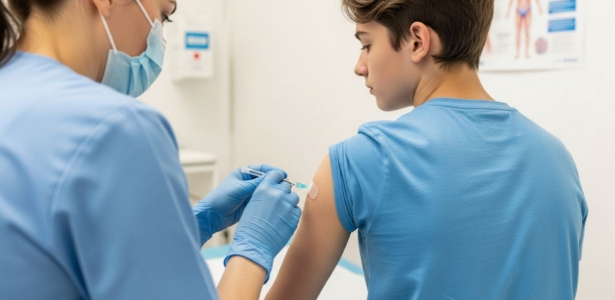
Vaccination remains the primary preventive measure recommended by health authorities. The influenza vaccine, which protects against strains including H1N1, H3N2, and influenza B, is available for priority groups such as children, elderly individuals, pregnant women, and those with comorbidities. Over 20,000 doses have already been administered in Criciúma, with officials urging residents to keep their vaccinations up to date.
In addition to vaccination, health experts emphasize basic hygiene practices to reduce virus transmission. These include frequent handwashing, wearing masks in crowded or poorly ventilated spaces, avoiding close contact with sick individuals, and seeking medical attention early if symptoms worsen. Mild symptoms such as low-grade fever, sore throat, cough, or runny nose should be evaluated at a Basic Health Unit (UBS), while more severe signs require immediate referral to emergency care units.
The situation in Criciúma reflects broader trends in respiratory disease monitoring across Brazil, where seasonal fluctuations in influenza and other respiratory pathogens routinely challenge healthcare systems during autumn and winter months. Surveillance networks like those operated by the SES play a critical role in identifying outbreaks early and guiding public health responses.
As of the latest available data, no further updates on case numbers or mortality have been released by the Santa Catarina State Health Secretariat. Residents are advised to consult official channels, including the SES website and local municipal health bulletins, for the most current information and guidance.
Stay informed, capture preventive steps, and share this information to aid protect your community.
Related reading
- José Luis Perales on Oregón TV: A Night of Chaos, Absurdity, and Surreal Humor
- National Immunization Awareness Month: Why August Matters for Your Health
- Asteroid Close Call in April 2029 Could Bring Severe Consequences (world-today-news.com)
- DRC Health Workers Protest Unpaid Wages Amid Record Ebola Outbreak (time.news)