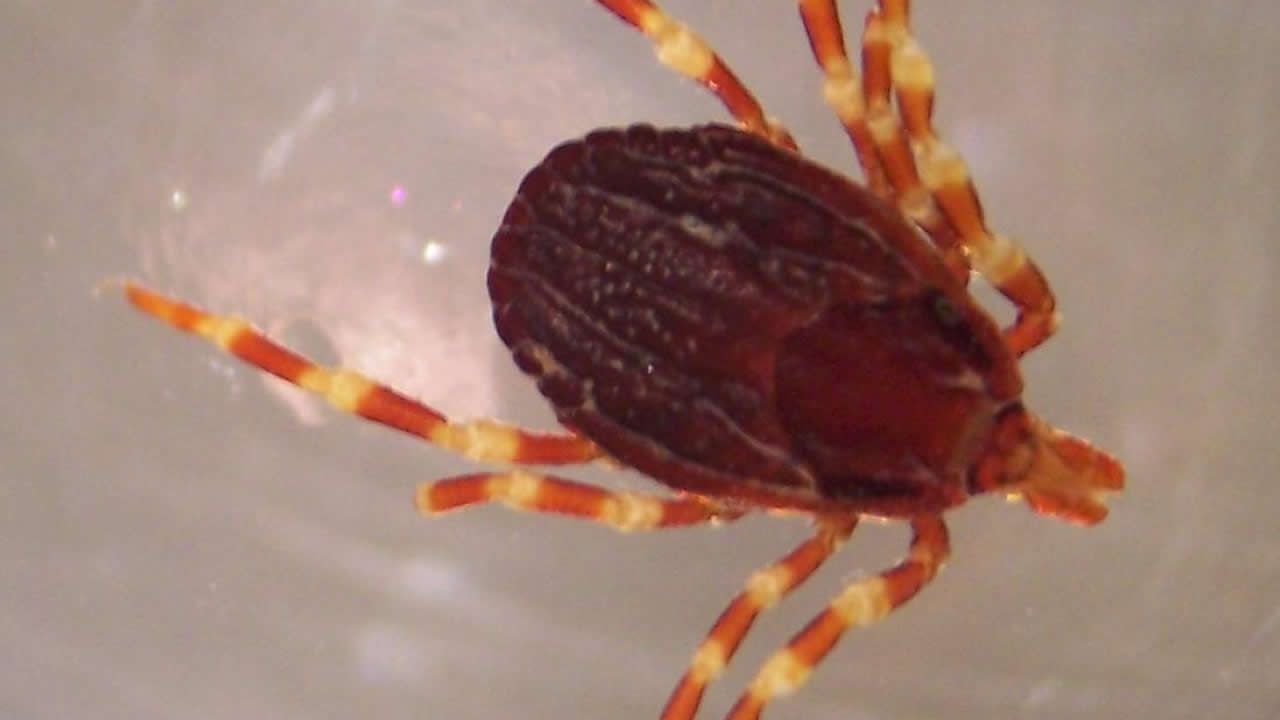
Health authorities in Spain have confirmed a case of Crimean-Congo Hemorrhagic Fever (CCHF) in a 68-year-old man in Salamanca. The patient is currently receiving medical care in an isolation unit, as public health officials work to trace potential contacts and identify the source of the exposure. This rare tick-borne viral disease remains a focus of surveillance by the regional health department of Castilla y León.
According to the Spanish Ministry of Health, the diagnosis was verified through laboratory testing after the patient presented with clinical symptoms consistent with the infection. While CCHF is endemic in parts of the Balkans, the Middle East, and Central Asia, sporadic cases in Western Europe, including Spain, have been documented over the last decade, primarily linked to the bite of infected Hyalomma ticks.
Understanding Crimean-Congo Hemorrhagic Fever Transmission
Crimean-Congo Hemorrhagic Fever is a widespread zoonotic disease caused by a virus belonging to the Nairoviridae family. The primary vector for the virus is the Hyalomma tick, which is commonly found on livestock and wild animals. Humans typically contract the virus through the bite of an infected tick or through direct contact with the blood or tissues of infected animals during slaughtering or veterinary procedures, as noted by the World Health Organization.
The virus can also spread between humans, though this is generally limited to close contact with the blood, secretions, or bodily fluids of an infected person. Healthcare workers are at a higher risk if standard infection control precautions are not strictly followed. Because the virus poses a risk of nosocomial transmission, hospitals in Salamanca have implemented rigorous isolation protocols to manage the patient and prevent secondary infections among staff or visitors.
Clinical Presentation and Public Health Response
Symptoms of CCHF typically appear suddenly following an incubation period, which usually ranges from one to three days after a tick bite, but can extend to nine days after contact with infected animal blood. Early signs often include high fever, severe headache, joint and muscle pain, and dizziness. As the disease progresses, patients may experience petechiae—small red or purple spots caused by bleeding under the skin—and more severe hemorrhaging, according to the European Centre for Disease Prevention and Control (ECDC).

The regional health authorities in Castilla y León are currently conducting an epidemiological investigation to determine the specific circumstances of the man’s exposure. This includes interviewing the patient to identify any recent outdoor activities or contact with livestock in rural areas where tick populations are known to be active. Contact tracing is a standard procedure to ensure that anyone who may have been in close proximity to the patient is monitored for early symptoms.
Preventive Measures and Risk Mitigation
Public health experts emphasize that while the presence of the virus in local tick populations is a concern, the risk to the general public remains low provided standard precautions are followed. The Spanish Ministry of Health recommends that individuals living in or visiting rural areas, especially during the warmer months, take active measures to avoid tick bites. These include wearing long sleeves and long trousers, using tick repellents containing DEET, and performing thorough body checks after spending time in fields or wooded areas.
For those working with livestock, wearing protective clothing and gloves is essential to minimize the risk of contact with blood or tissues. If a tick is found attached to the skin, it should be removed promptly using fine-tipped tweezers, pulling upward with steady pressure to ensure the entire tick is removed. If symptoms such as fever or unexplained muscle pain develop within two weeks of a tick bite or exposure to animals, medical attention should be sought immediately, with the patient informing healthcare providers of the potential exposure.
Monitoring and Next Steps
The patient remains under close observation in a specialized hospital facility. Clinical management focuses on supportive care, which includes fluid replacement, pain management, and the monitoring of blood counts and coagulation levels. There is no widely available, safe, and effective vaccine for humans against CCHF, making early detection and supportive treatment the primary pillars of clinical management.

The regional health department is expected to provide further updates as the epidemiological investigation concludes and the patient’s condition stabilizes. Authorities continue to coordinate with national laboratories to monitor the prevalence of the virus in tick populations across the region. Residents are encouraged to monitor official communications from the Castilla y León health services for any new guidance or public health advisories.
This situation remains an evolving public health matter. We invite readers to share this information to help raise awareness about tick-borne illness prevention. For further updates on this case and other health developments, please continue to follow our reports on the World Today Journal.
Keep reading