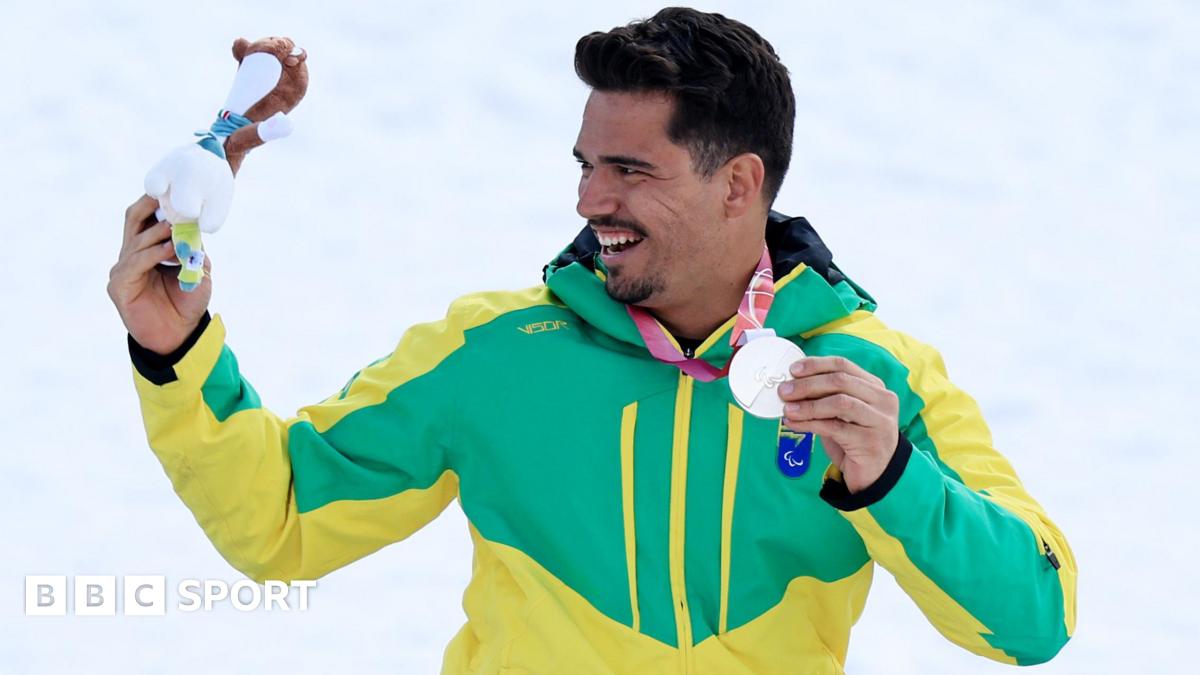
Lisbon, Portugal — May 18, 2026 — Cristian Westemaier Ribera etched his name into Brazilian sports history on March 10, 2026, when he secured silver in the men’s seated sprint at the Milano Cortina 2026 Paralympic Winter Games. The victory was not just a personal triumph but a landmark moment for Brazil, marking the country’s first-ever medal in Winter Paralympic history.
Ribera, who competes in Para cross-country skiing, crossed the finish line behind China’s Zixu Liu—who claimed gold—and ahead of Kazakhstan’s Yerbol Khamitov, who took bronze. The achievement came after years of dedication, resilience, and a journey that began with a diagnosis of arthrogryposis multiplex congenita, a condition that required over 20 surgeries during his childhood. His story is one of perseverance, defying the odds to stand on the podium in one of the world’s most prestigious sporting events.
“I’m really happy, my parents are here supporting me, and they could see me winning my first medal. All my family were watching from home as well as the people from Brazil,” Ribera said in a post-race interview. “I couldn’t be happier, this is a dream come true.” His words resonated far beyond the snowy slopes of Tesero, symbolizing the hopes of a nation that had long awaited such a moment.
From Rehabilitation to the Podium: The Journey of a Paralympic Pioneer
Ribera’s path to the Paralympics was far from conventional. Born with arthrogryposis multiplex congenita—a congenital condition affecting muscle development—he underwent more than 20 surgeries in his youth. Doctors initially encouraged him to explore sports as part of his rehabilitation, a suggestion that would change the course of his life. In 2015, he was introduced to Para cross-country skiing through a project spearheaded by the Brazilian Snow Sports Federation, supported by the International Paralympic Committee’s development arm. The goal was ambitious: to have a Brazilian athlete competing for a medal at the 2030 Paralympic Winter Games. But Ribera exceeded expectations, delivering history four years ahead of schedule.

“I started with the sport in 2015, I liked the sport a lot. It was so different to everything else I knew in Brazil,” Ribera reflected. His decision to pursue Para skiing was driven by a desire to push his limits and represent his country on the global stage. The sport’s emphasis on endurance, technique, and mental resilience aligned perfectly with his determination to overcome physical challenges.
The Milano Cortina 2026 Paralympic Winter Games provided the perfect platform for Ribera to shine. Competing in his third Paralympics, he brought the experience of previous editions—including the 2022 Beijing Games—to bear in his pursuit of glory. His silver medal in the seated sprint was a testament to his skill, discipline, and the unwavering support of his family, coaches, and the Brazilian athletic community.
A Nation’s Pride: Brazil’s First Winter Paralympic Medal
Ribera’s achievement is more than an individual victory. it is a milestone for Brazilian sports. Brazil had previously won medals at the Summer Paralympics, but the Winter Games had remained elusive. The country’s first-ever Winter Paralympic medal is a historic accomplishment that underscores the growing prominence of adaptive sports in Brazil.
The International Paralympic Committee (IPC) has long emphasized the importance of inclusive sports, and Ribera’s success is a direct result of these efforts. His journey from a rehabilitation project to a Paralympic podium highlights the transformative power of sport in breaking barriers. For Brazil, this medal is a symbol of progress, resilience, and the potential of its athletes on the world stage.
“This is a dream come true for me and for Brazil,” Ribera said. “I hope this inspires more young athletes with disabilities to pursue their dreams, no matter the challenges.” His message carries significant weight, particularly in a country where adaptive sports are still developing but gaining momentum.
What’s Next for Cristian Westemaier Ribera?
With this historic achievement under his belt, Ribera’s focus now turns to the future. The next major checkpoint for him—and Brazilian Para skiing—will be the 2030 Paralympic Winter Games, where he aims to build on his success. The sport’s development in Brazil continues to receive support from national federations and international bodies like the IPC, ensuring that more athletes like Ribera have the opportunity to compete at the highest level.
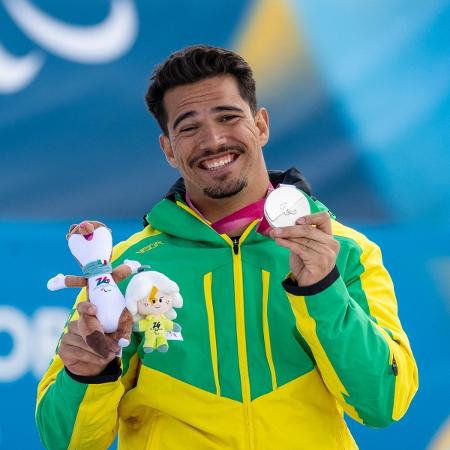
For now, Ribera is celebrating this monumental moment. His silver medal is not just a personal victory but a beacon of hope for Brazil’s adaptive sports community. As he prepares for future competitions, one thing is certain: Cristian Westemaier Ribera has already made an indelible mark on the history of Brazilian sports.
Key Takeaways
- Historic First: Cristian Westemaier Ribera won Brazil’s first-ever Winter Paralympic medal, securing silver in the men’s seated sprint at Milano Cortina 2026.
- Overcoming Adversity: Born with arthrogryposis multiplex congenita, Ribera underwent over 20 surgeries in childhood and found his passion for Para cross-country skiing as part of his rehabilitation.
- Global Recognition: His victory highlights the growing prominence of adaptive sports in Brazil and serves as inspiration for young athletes with disabilities.
- Future Goals: Ribera is already looking ahead to the 2030 Paralympic Winter Games, where he aims to continue representing Brazil at the highest level.
- National Pride: The medal is a landmark achievement for Brazilian sports, breaking new ground in the country’s Winter Paralympic history.
As Cristian Westemaier Ribera continues to inspire, his story serves as a reminder of the power of sport to transform lives and create history. For updates on his journey and Brazil’s adaptive sports development, follow the International Paralympic Committee and the Brazilian Snow Sports Federation.
What does this achievement mean to you? Share your thoughts in the comments below, and don’t forget to share this story to spread the inspiration.
Keep reading