## Cross Bronx Expressway Bridge Repairs Spark Controversy Over Expansion Plans
The ongoing debate surrounding infrastructure projects in New York City has intensified, centering now on the New York State Department of Transportation’s (NYSDOT) proposed repairs to five bridges along the Cross Bronx Expressway. As of December 17, 2025, the project, initially framed as essential maintenance, is facing meaningful opposition from community groups who allege it serves as a pretext for highway expansion – a move they contend will exacerbate existing health concerns within the Bronx. This situation highlights a broader national trend of infrastructure projects colliding with community health and environmental justice concerns.
### Past Context and Community Concerns
The Cross Bronx Expressway, completed in 1973, has long been a source of contention for Bronx residents. constructed through densely populated neighborhoods, the highway has been consistently linked to elevated rates of respiratory illnesses, particularly asthma, due to increased vehicle emissions. A 2024 study by the New York City Department of Health and Mental hygiene confirmed a statistically significant correlation between proximity to the expressway and childhood asthma rates, reinforcing decades of community observations.
“For generations, the Cross Bronx expressway has been a barrier and a burden on Bronx communities. Any project related to it must prioritize the health and well-being of residents, not simply facilitate faster commutes.”
Community advocates argue that expanding the highway, even under the guise of necessary repairs, will only worsen these health outcomes. They point to the increased traffic volume and associated pollution that would inevitably result from additional lanes. This concern is particularly relevant given the recent surge in vehicle miles traveled (VMT) across the US, with data from the Federal Highway Management showing a 2.3% increase in VMT in the first half of 2025 compared to the same period last year.
### NYSDOT’s Response and Shifting Plans
Initially, the NYSDOT’s plans included elements that suggested a widening of the expressway. However, following a wave of protests and vocal opposition from local organizations, the department has scaled back some of its more expansive proposals. While the core bridge repair work remains, the extent of lane additions has been reduced.
Despite these adjustments, community and environmental organizations maintain that the state isn’t adequately addressing their concerns. They are calling for a thorough environmental impact study (EIS) that fully assesses the potential health and environmental consequences of the project, including cumulative impacts from existing pollution sources. They also advocate for investment in public transportation alternatives as a more sustainable and equitable solution to traffic congestion.
### Expert Insights: The Bronx River Alliance Perspective
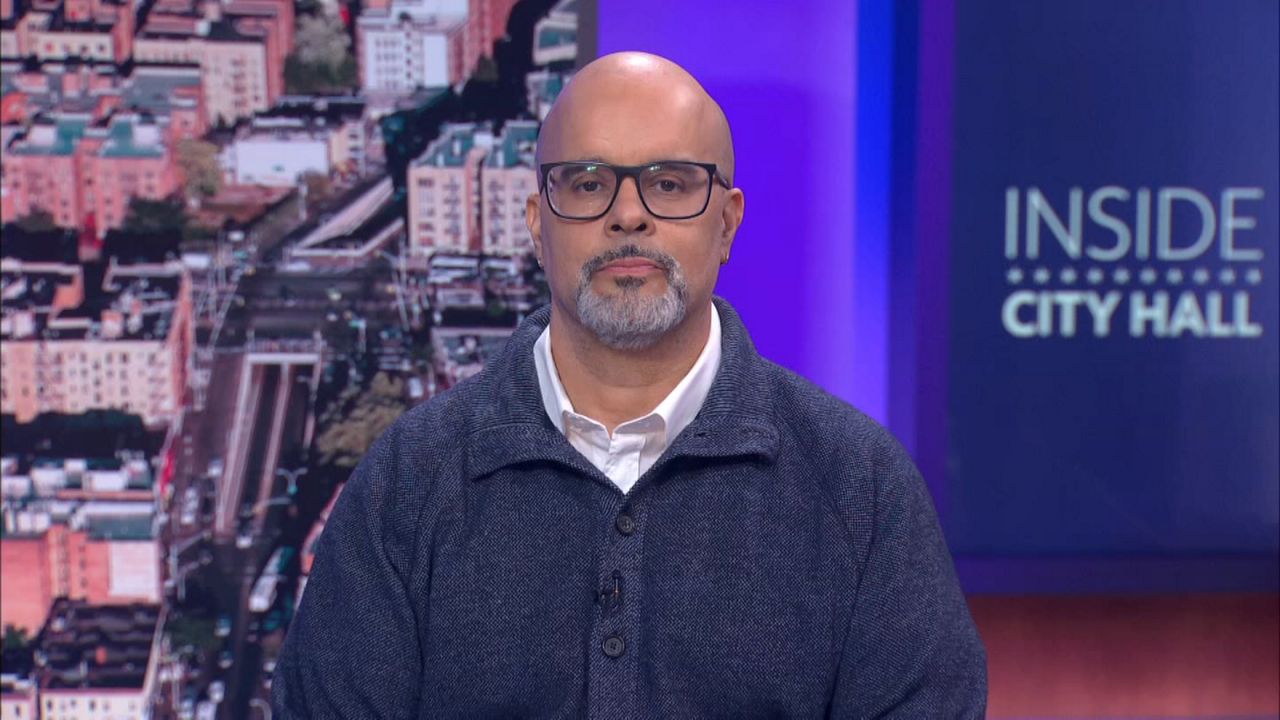
Siddhartha Sánchez, Executive Director of the Bronx River Alliance, recently articulated these concerns during an interview on NY1’s “Inside City Hall” with Errol Louis. Sánchez emphasized the need for a holistic approach to transportation planning that prioritizes community health and environmental sustainability.
“We’re not against infrastructure improvements, but they cannot come at the expense of the health and well-being of Bronx residents,”
Sánchez stated, highlighting the Alliance’s commitment to advocating for equitable transportation solutions. The Bronx river Alliance has been a leading voice in promoting green infrastructure and advocating for improved access to parks and green spaces along the bronx River,recognizing the vital role these resources play in mitigating the negative impacts of urban development.
### The Broader Implications of Highway Infrastructure
The controversy surrounding the Cross Bronx Expressway repairs reflects a larger national debate about the role of highways in urban areas. For decades, highway construction has often prioritized vehicular traffic over community needs, leading to displacement, environmental degradation, and health disparities.
Increasingly,cities are exploring alternative approaches,such as “complete streets” designs that prioritize pedestrians,cyclists,and public transit,and “road diets” that reduce the number of lanes to improve safety and create more space for other modes of transportation. The recent federal infrastructure bill provides funding for these types of projects, offering an opportunity to reimagine transportation systems in a more equitable and sustainable way.