
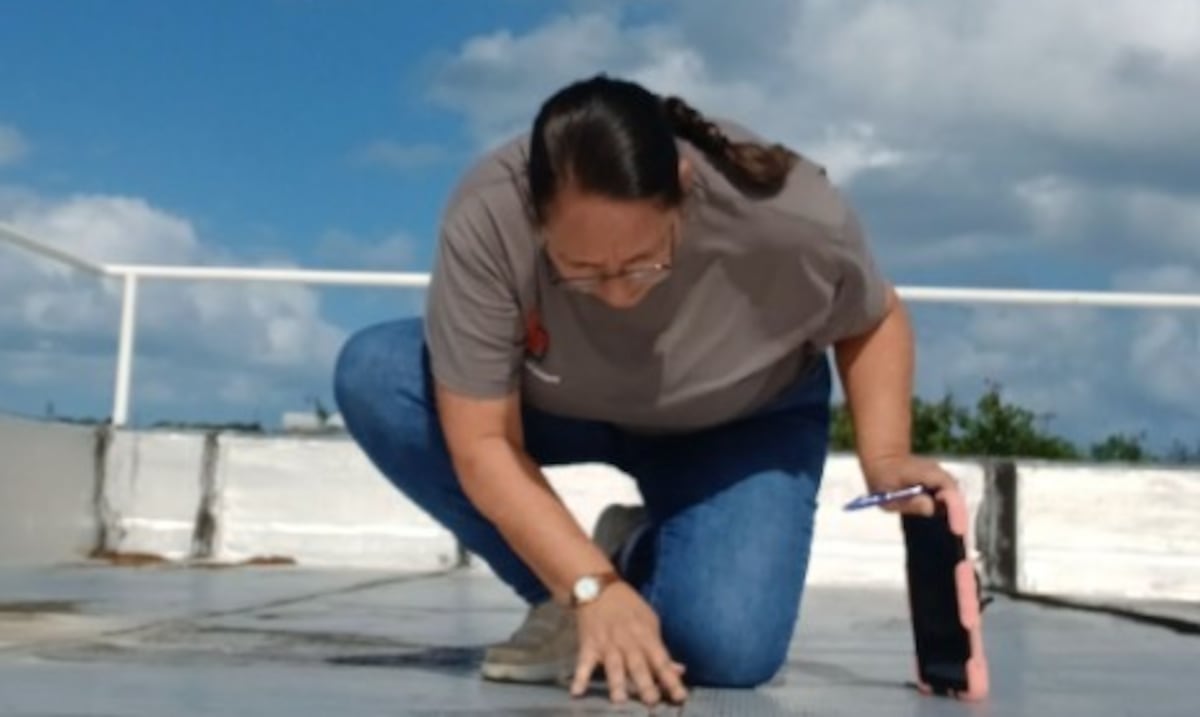
Homebuyers in Puerto Rico are being urged to prioritize property inspections before finalizing mortgage agreements, as experts warn that skipping this step can lead to costly surprises after closing. According to housing inspector Sonia Rivera, the practice of conducting a professional home inspection is gaining traction locally, while international buyers often treat it as a non-negotiable requirement when evaluating a property.
Rivera emphasized that an inspection report can serve as a critical tool not only for identifying immediate structural or mechanical issues but also for planning future renovations and budgeting improvements, especially for those intending to rehabilitate a home. She noted that inspections for properties under 2,000 square feet currently start at $350, with costs varying based on size and complexity.
A home inspection differs significantly from a property appraisal, which is typically required by lenders to determine market value for loan approval. While an appraisal assesses worth, an inspection evaluates condition—focusing on the structural integrity, roofing, electrical systems, plumbing, HVAC, and other accessible components of the house. Inspectors are trained to identify both visible defects and potential problems that may not be apparent to the untrained eye.
Experts clarify that although home inspections are generally recommended during real estate transactions, they are not automatically mandated unless specified as a contingency in the purchase contract. Some mortgage terms may require an inspection, but in many cases, the decision rests with the buyer. Waiving the inspection shifts responsibility for any undiscovered issues firmly onto the homeowner after the sale is complete.
The buyer usually bears the cost and logistical responsibility of hiring and scheduling a licensed inspector, unless alternative arrangements are negotiated in the contract. Inspection fees typically range from $250 to $400, depending on the property’s square footage and location, though prices may rise for larger homes or those requiring specialized evaluations.
State Farm highlights that a professional inspection provides an impartial, expert assessment of a home’s current state, offering buyers leverage in negotiations—such as requesting repairs or credits—or the option to walk away from a deal if significant problems are uncovered. The process includes a detailed report with photographs and descriptions of any areas of concern, and may include recommendations for further evaluation by specialists, such as electricians or structural engineers.
Real estate professionals advise that attending the inspection in person allows buyers to ask questions, gain firsthand understanding of the property’s condition, and learn about maintenance needs. This direct engagement can be especially valuable for first-time homeowners unfamiliar with home systems and upkeep requirements.
As the Puerto Rican housing market continues to attract both local and foreign interest, industry observers stress that due diligence—including a thorough home inspection—remains one of the most effective ways to protect a significant financial investment. Skipping this step may save money upfront but risks exposing buyers to expensive repairs that could have been identified and addressed prior to purchase.
For those navigating the homebuying process, consulting with a licensed real estate agent, reviewing contract terms carefully, and verifying the credentials of any inspector are essential steps. Buyers are encouraged to seek inspectors who are certified by recognized organizations and who carry errors and omissions insurance to ensure accountability.
While no government mandate currently requires home inspections for private residential sales in Puerto Rico, their growing acceptance reflects a broader trend toward informed, transparent real estate transactions. As more buyers recognize the long-term value of upfront property evaluations, inspections are becoming a standard part of responsible home purchasing—particularly in markets where aging infrastructure or tropical weather conditions can accelerate wear and tear on buildings.
Prospective homeowners are advised to treat the inspection not as a mere formality, but as a vital safeguard that supports smarter decision-making and greater confidence in one of life’s most significant investments.