The Growing Threat of Crypto ATM Scams: How States & Vigilant Citizens Are Fighting Back
(Image: Dan Brouillette/Bloomberg via getty images)
cryptocurrency ATMs, once touted as a convenient gateway to digital assets, are increasingly becoming prime targets for sophisticated scams. Despite growing awareness and legislative efforts,fraudsters continue to exploit these machines,leaving consumers vulnerable to significant financial loss. This article dives deep into the problem, exploring the tactics used by scammers, the legislative responses, and the heroic efforts of individuals on the front lines.
The Rise of Crypto ATM Scams & Why You’re at Risk
crypto atms allow you to buy Bitcoin and other cryptocurrencies with cash, frequently enough without the rigorous identity verification required by centralized exchanges. While this convenience appeals to some, it also creates a perfect storm for scams. Here’s what you need to know:
* Targeted Victims: Scammers frequently prey on vulnerable individuals, especially the elderly, but increasingly, younger adults are also being targeted.
* Common Tactics: The most prevalent scam involves fraudsters posing as law enforcement or government officials, convincing victims to purchase cryptocurrency to settle fabricated debts or avoid arrest. They often instruct victims to use crypto ATMs to complete the transactions.
* Exploiting Anonymity: The relative anonymity of crypto ATM transactions makes it challenging to trace funds and apprehend perpetrators.
as of September, 18 states have enacted laws or regulations aimed at protecting consumers from these scams, with more considering similar legislation. these measures include transaction limits and, in some cases, mandatory refunds for victims. Though, even these restrictions haven’t stopped the problem.
Legislative Efforts & Their Limitations
States are actively trying to curb the abuse of crypto ATMs, but scammers are proving adaptable.
* Minnesota‘s example: In August 2024, Minnesota implemented a $2,000 daily transaction limit for new users. Despite this, complaints continued to flood the Department of Commerce.One victim reported losing nearly $15,000 through multiple transactions using different names at the instruction of the scammer.
* Iowa‘s New Rules: Iowa recently enacted legislation capping transactions at $1,000 per day and $10,000 per month for first-time users. The law also limits operator fees to the greater of $5 or 15% of the cryptocurrency purchased.
* A Balancing act: Fareway, a grocery store chain, temporarily removed ATMs following legal pressure from Bitcoin Depot. They reinstated them in May, hoping the new Iowa law would mitigate future customer losses.
These laws demonstrate a commitment to consumer protection, but they highlight the challenge of staying ahead of evolving scam tactics.
Beyond Legislation: The Heroes on the Front Lines
While laws are crucial, the vigilance of everyday citizens is often the last line of defense.
“It’s usually an older or elderly person on the phone with someone and has a bank envelope with them, but the last person… was in her 30s or 40s and she got scammed.” – Debbie Joy, assistant manager at a Circle K in Florida
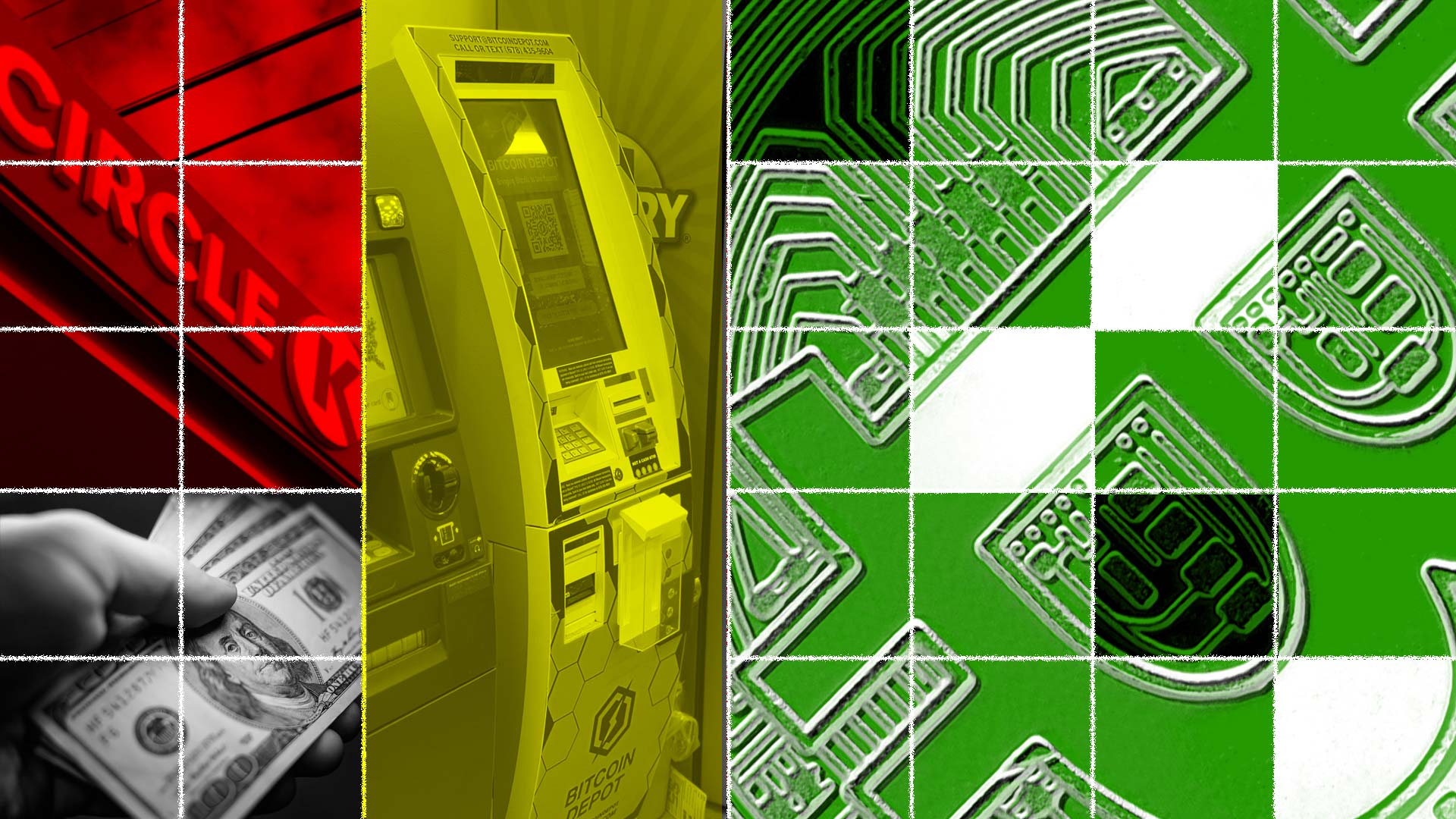
Debbie Joy, an assistant manager at a Circle K in Port Orange, Florida, has intervened in at least 10 scams at her store in four years. She’s become adept at recognizing the warning signs.
* Recognizing the Red Flags: Joy notes that victims are frequently enough on the phone, have cash in hand, and appear distressed. Importantly,she’s seen scams targeting individuals of all ages,not just seniors.
* direct Action: Rather of calling 911, Joy directly contacts a local police investigator she’s saved in her phone.
* Community Recognition: In April, the Port Orange city council honored Joy for preventing an elderly couple from losing $10,000. She estimates she’s helped prevent several other scams as well.
Joy’s story underscores the critical role individuals play in combating these crimes. “Circle K policy is it’s not our machine, it’s not our problem,” she told the council, “but I see it all too often.”
What Bitcoin Depot is Doing (and What Remains Unclear)
Bitcoin Depot, a major crypto ATM operator, settled a lawsuit with Fareway in November. As part of the settlement, they announced they would begin requiring ID verification for all transactions and implement “additional protections for seniors.”
However, the