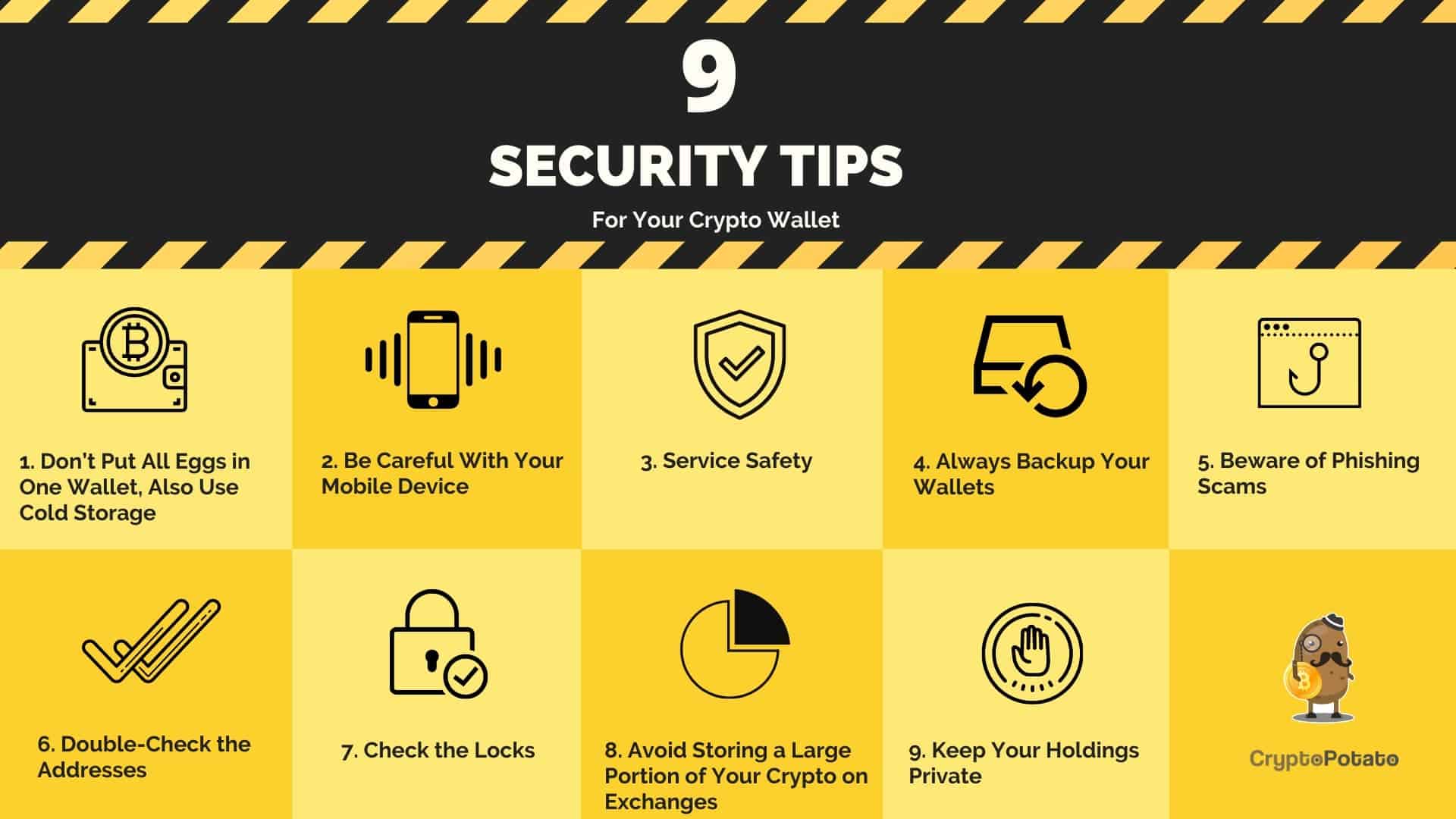
The intersection of digital privacy and emerging financial technologies has created a complex landscape where personal information is increasingly treated as a tradable commodity. Recent reports have highlighted the alarming trend of private communications and sensitive data being traded for cryptocurrency, raising significant concerns regarding the security of employees and individuals whose private records are being exploited. As digital assets continue to evolve, understanding the mechanics of these breaches is essential for protecting against what experts describe as a growing threat of secondary victimization.
In the digital age, the term cryptocurrency refers to a type of digital asset that relies on an encrypted network to execute, verify, and record transactions, often operating independently of traditional centralized authorities like banks or governments. While these technologies offer new ways to manage money, they also provide a veil of anonymity that bad actors frequently exploit. When personal data is harvested and traded in illicit chat rooms, the primary harm—the initial breach—is often compounded by the secondary victimization of those whose identities, locations, or private conversations are exposed to malicious third parties.
The Mechanics of Digital Exploitation
The unauthorized trade of personal data within private chat rooms typically relies on the pseudo-anonymous nature of blockchain technology. Because cryptocurrency transactions are recorded on a distributed ledger, they allow for the transfer of value without the oversight of traditional financial institutions. For those seeking to exploit information, this creates a marketplace where personal dossiers are bought and sold with reduced risk of detection.
Secondary victimization occurs when the victims of a data breach are further targeted by predatory actors who use the stolen information for extortion, identity theft, or targeted harassment. In many cases, the affected employees or individuals are unaware that their information is being traded until they begin to experience the downstream effects, such as unauthorized account access or sophisticated phishing attempts. This cycle of exploitation underscores the need for robust digital hygiene and heightened awareness regarding the information we share online.
Protecting Personal Data in an Encrypted World
As we navigate this shifting landscape, It’s important to distinguish between the technology itself and the illicit activities conducted by those who misuse it. Blockchain technology remains a significant tech disruptor, yet its capacity to facilitate secure transactions also makes it an attractive tool for cybercriminals. Protecting oneself requires a proactive approach to digital security, including the use of multi-factor authentication, regular monitoring of personal financial accounts, and a critical eye toward the platforms where we interact.
Organizations and individuals must remain vigilant. When a data breach occurs, the immediate concern is often the loss of the information itself. However, the subsequent trade of that information in underground forums represents a persistent, long-term risk. Victims are encouraged to follow guidance from cybersecurity professionals, such as utilizing security software, maintaining updated systems, and reporting suspicious activity to the relevant authorities immediately.
Key Considerations for Digital Safety
- Verify Platforms: Ensure that the digital services you use have transparent privacy policies and a proven track record of security.
- Monitor Digital Footprints: Regularly review your online presence to understand what information is publicly available and minimize your exposure.
- Understand the Risks: Recognize that any data shared online, even in private channels, carries a risk of being intercepted or leaked.
- Report Exploitation: If you suspect your data has been compromised, contact your employer’s IT department or local law enforcement agencies to document the incident.
Looking Ahead: The Path Toward Security
The challenge of preventing the trade of personal information for digital assets is a global issue that requires cooperation between technology firms, law enforcement, and individual users. As regulatory bodies continue to examine the legal status of digital assets—classifying them variously as commodities, securities, or currencies—the frameworks for accountability are slowly taking shape. Future developments in cybersecurity will likely focus on enhancing the traceability of illicit transactions and providing better tools for victims to recover their digital identities.
.png "Verify Platforms")
As we move forward, the focus must remain on education and the implementation of stronger security protocols. Whether you are an individual managing personal finances or an employee concerned about corporate data, the best defense is an informed and cautious approach to digital interaction. We will continue to monitor developments in this space as new information becomes available and as global authorities provide further guidance on mitigating these risks.
Have you or your organization encountered issues regarding data privacy and digital asset exploitation? We invite you to share your experiences or questions in the comments section below. Stay tuned for further updates as we continue to cover the evolving landscape of digital security.
Related reading