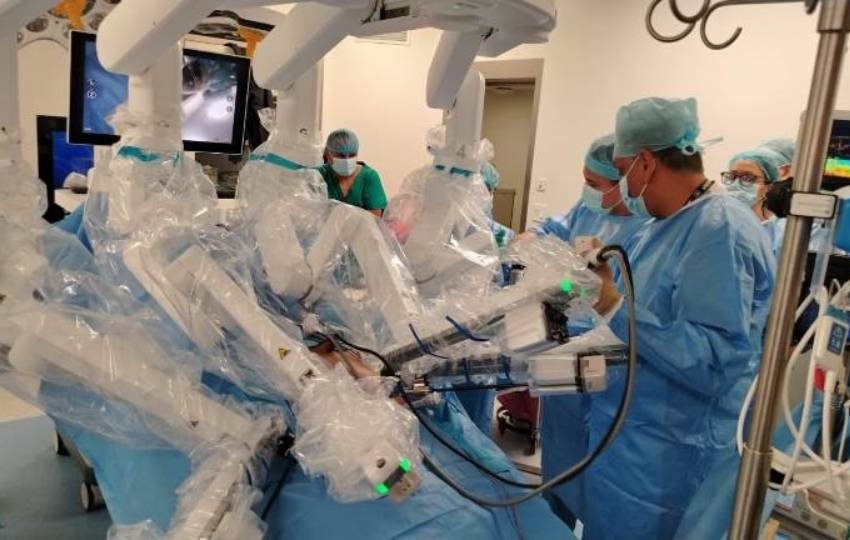
The Caja de Seguro Social (CSS) has officially integrated robotic surgical technology into its medical infrastructure in Panama, marking a significant transition in how complex procedures are performed within the public healthcare system. This advancement aims to provide patients with access to minimally invasive surgical options, potentially improving recovery times and clinical outcomes for those requiring specialized interventions.
As a physician, I recognize that the introduction of robotic platforms in public hospitals is a complex but vital step for health systems aiming to modernize their surgical capabilities. While the implementation of such high-level technology requires rigorous staff training and standardized protocols, it represents a commitment to aligning national public healthcare with global surgical standards. For patients in Panama, this move signifies that the CSS is prioritizing the expansion of its technological capacity to address critical surgical needs.
Understanding Robotic Surgery in the Public Sector
Robotic surgery allows surgeons to perform delicate and complex procedures with more precision, flexibility, and control than is possible with conventional techniques. By using a console to control robotic arms, surgeons can access hard-to-reach areas of the body through smaller incisions. According to the U.S. National Library of Medicine, these procedures are often associated with less pain, reduced blood loss, and faster recovery periods for the patient. The integration of these systems by the CSS represents a shift toward these outcomes for the Panamanian public.
The transition to robotic-assisted procedures involves more than just the equipment; it necessitates a specialized multidisciplinary team. This includes surgeons trained in robotic interfaces, anesthesiologists, and specialized nursing staff. The success of this technology depends on the continuous maintenance of these systems and the ongoing education of the clinical teams responsible for their operation, as outlined in clinical guidelines provided by the World Health Organization regarding the safe introduction of surgical technologies.
Patient Access and Healthcare Policy
For individuals enrolled in the CSS system, the availability of robotic surgery is a matter of healthcare equity. When public health institutions adopt advanced surgical platforms, they reduce the necessity for patients to seek such care in private facilities or abroad, which can be financially prohibitive. The CSS has emphasized that this technology is now placed at the service of its patients, aiming to standardize the quality of care across its hospital network.
Ensuring that this technology remains sustainable involves long-term planning regarding equipment upgrades and the management of medical consumables. As reported by the Pan American Health Organization, the management of medical devices requires a structured framework to ensure that technology remains functional and that patients receive the intended clinical benefits. The CSS is expected to provide ongoing updates regarding which hospitals will host these systems and the specific types of procedures that will be eligible for robotic assistance.
Next Steps for Patients and Providers
Patients seeking information regarding eligibility for robotic-assisted surgery should consult their primary care physicians or specialists within the CSS network. Criteria for these procedures are typically determined by clinical necessity and the suitability of the patient’s condition for a robotic approach. It is essential for patients to discuss the risks, benefits, and potential alternatives with their surgical teams to make informed decisions about their care.

The CSS is scheduled to provide further information on the expansion of these services through its official communication channels. Patients and their families are encouraged to monitor the official CSS website for updates on hospital capacity and the scheduling of specialized surgical consultations. As this initiative progresses, the focus will likely remain on auditing clinical outcomes to ensure that the technology effectively serves the Panamanian population.
We invite our readers to share their thoughts or experiences with advancements in public health technology in the comments section below. Stay informed by following our health desk for future updates on this developing story.
Related reading