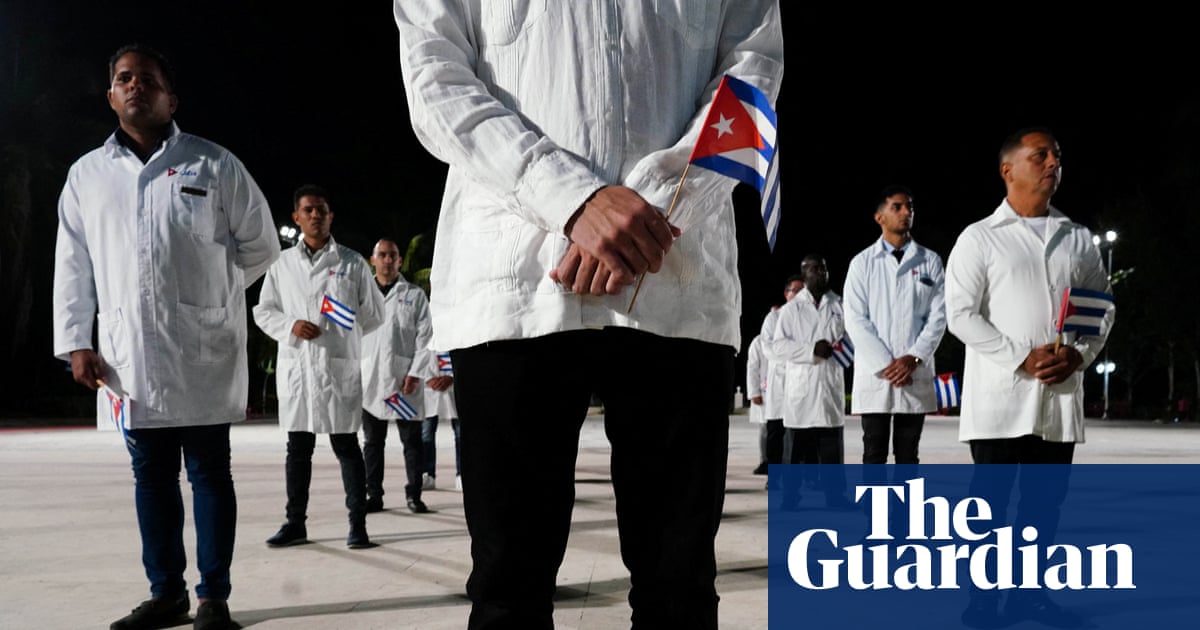
Cuba has leveled serious accusations against the United States, claiming the U.S. Is using “extortion” and political pressure to force Latin American nations to terminate their long-standing agreements with Havana for the provision of medical personnel. The dispute centers on the US accused of pressuring Latin America to cut ties with Cuban doctors program, a cornerstone of Cuba’s international diplomacy and economic strategy.
Bruno Rodríguez, Cuba’s foreign minister, has denounced these actions, asserting that the United States is attempting to “strangle” the island’s economy. These medical missions are a vital source of revenue for the communist state, which earns billions of dollars by deploying healthcare professionals abroad to provide services in underserved regions.
The tension comes at a critical time for the island, as the Cuban government continues to navigate a severe energy crisis and economic instability. The diplomatic friction highlights a broader struggle over influence in the Western Hemisphere, where healthcare diplomacy often intersects with geopolitical rivalry.
Economic Impact and the ‘Stranglehold’ on Havana
The deployment of medical missions is not merely a humanitarian effort but a significant economic engine for Cuba. By exporting the services of its doctors, the Cuban government secures essential foreign currency. According to official statements from Havana, the U.S. Is utilizing blackmail and pressure to complete the presence of these medical missions via saba.ye.
Foreign Minister Bruno Rodríguez argues that the U.S. Strategy is designed to cripple the Cuban economy by removing these financial lifelines. The loss of these contracts means a direct reduction in the billions of dollars that typically flow back to the Cuban state, further complicating the government’s ability to manage internal crises, including the current energy shortages.
The U.S. Has previously targeted these programs, arguing that the arrangement is exploitative toward the doctors themselves, who often receive only a small fraction of the payments made by the host countries to the Cuban government. However, Cuba maintains that these missions are a gesture of international solidarity and a legitimate state-run service.
Geopolitical Tensions in Latin America
The friction is not limited to a bilateral dispute between Washington and Havana. The U.S. Is accused of “extorting” other Latin American countries, pushing them to axe decades-old deals with the Cuban medical program via CP24. This pressure often manifests as a choice for host nations: maintain ties with Cuba’s medical missions or face potential diplomatic or economic repercussions from the United States.
Several countries have already stopped deploying Cuban doctors, a move that Havana directly attributes to U.S. Interference. This shift in regional dynamics represents a strategic effort to isolate the Cuban government and reduce its influence across the region.
For the affected Latin American nations, the decision often involves balancing the immediate need for affordable, accessible healthcare in rural areas—which Cuban doctors frequently provide—against the necessity of maintaining a stable relationship with the U.S. Economy and security apparatus.
The Intersection of Health and Energy Crises
The timing of these accusations coincides with a period of extreme fragility for the Cuban state. The Cuban foreign minister has denounced U.S. Pressure specifically amid a worsening energy crisis via upi.com. When the state’s primary sources of hard currency are threatened, the ability to import fuel and maintain a crumbling electrical grid is severely diminished.
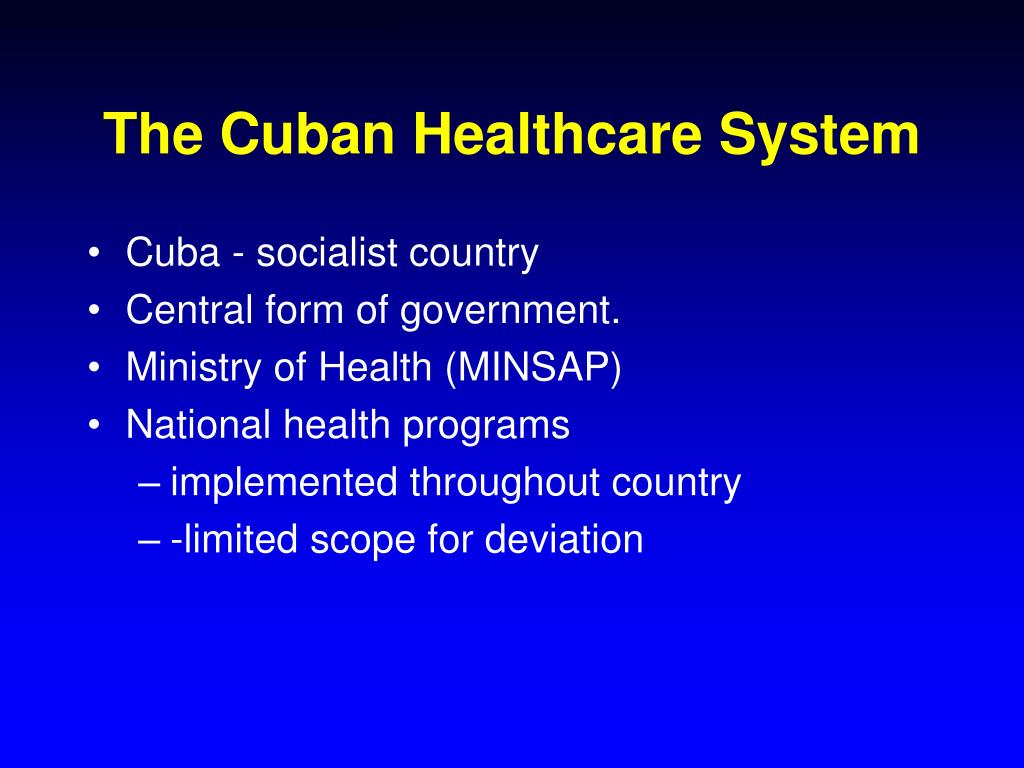
From a public health perspective, the removal of these doctors could create significant voids in healthcare delivery for the world’s most vulnerable populations. While the U.S. Critiques the labor practices of the program, the immediate result of cutting these ties is often a reduction in primary care availability in remote Latin American villages.
Key Takeaways on the Medical Mission Dispute
- Economic Motives: Cuba relies on billions of dollars in revenue from foreign medical missions to sustain its national economy.
- U.S. Strategy: Havana claims the U.S. Is using “blackmail” and “extortion” to pressure Latin American countries into canceling these deals.
- Regional Impact: Several countries have already ceased the deployment of Cuban doctors, leading to a decline in Havana’s regional influence.
- Internal Crisis: These external pressures are compounding Cuba’s existing internal struggles, including a severe energy crisis.
As the situation evolves, the international community continues to monitor the balance between national sovereignty in healthcare procurement and the geopolitical pressures exerted by global superpowers. There is currently no scheduled official summit to resolve these specific disputes, but the rhetoric from the Cuban foreign ministry indicates a continued commitment to defending these missions as a matter of national survival.
We invite our readers to share their perspectives on the intersection of global health and diplomacy in the comments below.
Worth a look