Widespread Blackout Grips Cuba, Impacting Two-Thirds of the Island
Havana and a significant portion of Cuba are currently experiencing a major power outage, leaving approximately two-thirds of the country in the dark. The national electric company, Unión Eléctrica (UNE), attributed the disruption to an “unexpected” breakdown at the Antonio Guiteras power plant, one of the island’s largest facilities. The outage, which began on Wednesday, is exacerbating existing economic challenges and raising concerns about the stability of Cuba’s already strained electricity grid.
The situation extends from the central province of Camagüey to Pinar del Río in the far west, according to UNE. While the Felton 1 thermoelectric power plant in Holguín province remains operational, recovery efforts are underway to restore power to affected areas. The blackout is occurring against a backdrop of increasing pressure on the Cuban government and a long-standing energy crisis, fueled by limited access to fuel and aging infrastructure. The current crisis is particularly acute, with daily power outages already a common occurrence in many parts of the impoverished island.
US Policy and Cuba’s Energy Crisis
The current power crisis is deeply intertwined with US policy towards Cuba and the availability of crucial oil supplies. According to reports, Cuba has faced increasing blackouts due to a “chokehold” on shipments of oil, a critical resource for fueling the island’s electricity grid. The situation worsened significantly following the US ouster of Venezuelan President Nicolás Maduro in January, as Venezuela had previously supplied approximately half of Cuba’s fuel needs. The Manila Times reports that after Maduro’s capture, Washington initially imposed an oil embargo on Cuba, though it was later eased amid concerns about a potential economic collapse.
Further complicating matters, Mexico announced it would halt oil supplies to Cuba after the US threatened tariffs on countries continuing to provide fuel. This has created a severe shortage, contributing directly to the current widespread blackouts. The Cuban government has consistently attributed its economic difficulties to decades of US economic sanctions, a claim echoed by many international observers. Still, the recent scarcity of oil from both Venezuela and Mexico, directly linked to US pressure, has undeniably exacerbated existing shortages.
Impact on Daily Life and Key Services
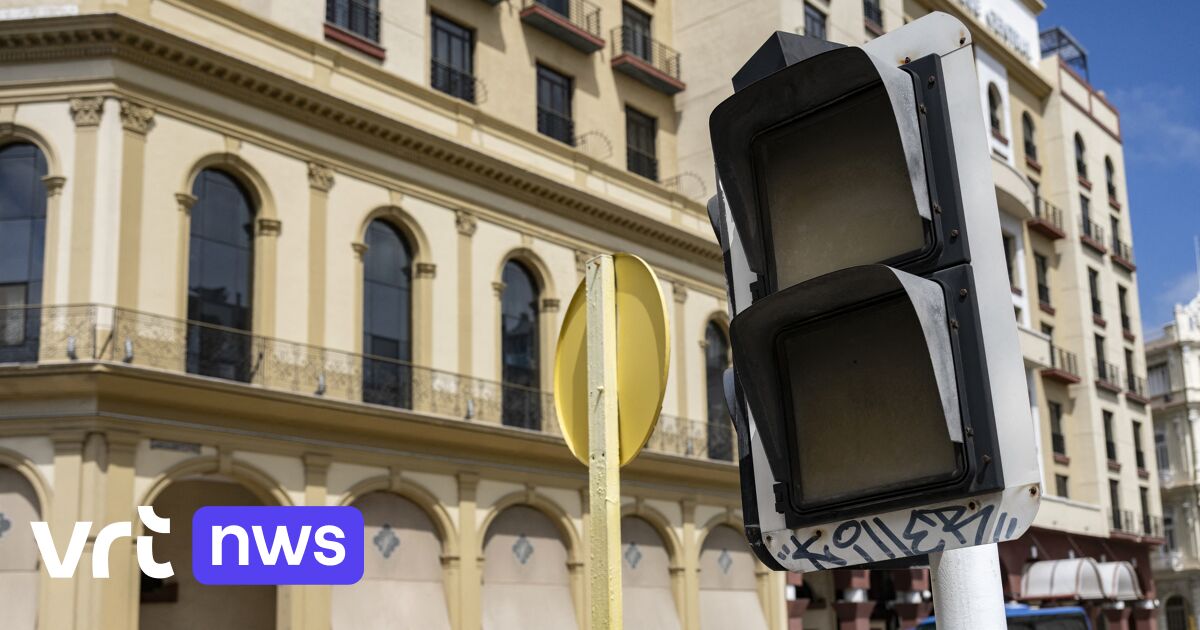
The power cuts are having a significant impact on daily life for Cubans, disrupting essential services and economic activity. The government has been forced to ration key resources as a result of the energy shortfall. Not functioning traffic lights, as captured in a Reuters photograph from Havana on March 4, 2026, highlight the immediate safety concerns. GMANetwork.com reports that the outage affected the island from Camagüey to Pinar del Río.
The lack of electricity affects everything from healthcare facilities to water supplies, and businesses are struggling to operate. The situation is particularly challenging for vulnerable populations, including the elderly and those with medical conditions. The ongoing crisis underscores the fragility of Cuba’s infrastructure and its dependence on external sources for essential resources.
The Antonio Guiteras Power Plant and Cuba’s Electricity System
The breakdown at the Antonio Guiteras power plant is at the heart of the current crisis. This plant is one of the largest in Cuba, and its unexpected failure has had a cascading effect on the national grid. The Manila Times notes that Cuba’s electricity generation system is “in shambles,” with daily outages of up to 20 hours becoming increasingly common.
Cuba’s energy infrastructure has suffered from years of underinvestment and a lack of maintenance. The aging power plants are prone to breakdowns, and the country struggles to secure the necessary fuel to keep them running efficiently. The reliance on imported oil makes Cuba particularly vulnerable to geopolitical pressures and fluctuations in global energy markets. The UNE is working to restore services, but the extent of the damage and the limited availability of resources pose significant challenges.
Looking Ahead: Potential Solutions and Continued Challenges
Addressing Cuba’s energy crisis will require a multifaceted approach, including investment in infrastructure, diversification of energy sources, and a reassessment of US policy. While the US eased its oil embargo somewhat, the underlying sanctions remain in place, hindering Cuba’s ability to access vital resources. Exploring renewable energy options, such as solar and wind power, could offer a long-term solution, but these projects require significant investment and technological expertise.
The situation is further complicated by the political instability in Venezuela, which has disrupted oil supplies to Cuba. Finding alternative sources of fuel will be crucial, but this will likely require navigating complex geopolitical relationships. The Cuban government will also need to address the systemic issues within its electricity system, including improving maintenance and increasing efficiency.
The UNE is continuing to provide updates on the restoration efforts, and further information can be found on their official website: Unión Eléctrica. The next update from UNE is expected within 24 hours, providing a more detailed assessment of the damage and a timeline for full restoration of power.
This ongoing crisis highlights the interconnectedness of energy security, economic stability, and geopolitical factors. The situation in Cuba serves as a stark reminder of the vulnerability of nations dependent on external sources for essential resources and the importance of investing in resilient and sustainable energy infrastructure.
What are your thoughts on the situation in Cuba? Share your comments below and let us know how you think this crisis will unfold.
Worth a look