
New intelligence reports have signaled a significant escalation in regional security concerns, alleging that Cuba has acquired more than 300 military drones from Russia, and Iran. The reported buildup of unmanned aerial vehicle (UAV) technology has prompted urgent discussions within the United States government regarding potential threats to maritime security and sensitive military installations in the Caribbean.
The allegations, which stem from classified intelligence cited in a report by Axios, suggest that the acquisition of these attack drones has been an ongoing process since 2023. According to the reports, Havana has not only secured these assets but is also actively seeking to expand its drone fleet, further complicating the already strained diplomatic relationship between Washington and Havana.
This potential Cuba drone acquisition has introduced a new dimension to the geopolitical friction in the Western Hemisphere. While the Cuban government has denied any intent to engage in conflict, the nature of the technology and its sources have raised alarms among U.S. Officials, who are monitoring the deployment of advanced drone warfare capabilities in close proximity to American shores.
Alleged Targets and Strategic Implications
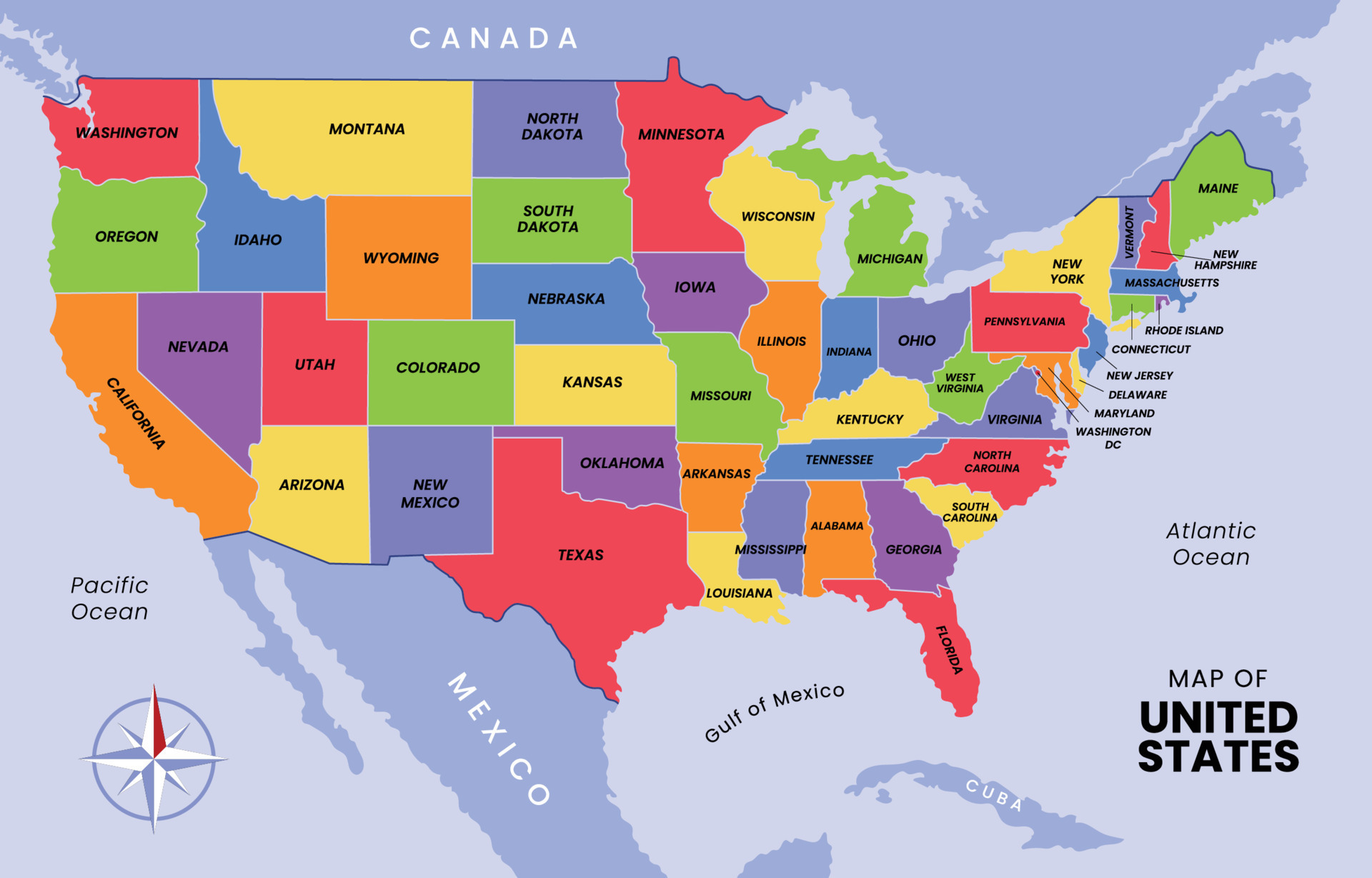
The intelligence suggests that the strategic utility of these drones could extend to high-value targets. The report alleges that discussions have taken place regarding the potential use of military drones to target the United States naval base at Guantanamo Bay. The scope of the alleged threat includes military vessels operating in the region and potentially civilian or strategic areas such as Key West, Florida.
The introduction of attack-capable drones into the Caribbean theater represents a shift in the regional security landscape. Unlike traditional long-range missile threats, drones offer a degree of maneuverability and a lower cost of operation that can complicate traditional defense postures. The proximity of these assets to Florida and the Guantanamo Bay naval station means that any deployment would require a heightened state of readiness from U.S. Maritime and aerial defense units.
Military analysts note that the presence of such technology in the Caribbean could be used for various purposes, ranging from intelligence, surveillance, and reconnaissance (ISR) to direct kinetic strikes. The specific capabilities of the 300-plus drones—whether they are primarily intended for surveillance or for carrying payloads—remain a central point of concern for intelligence agencies assessing the “growing threat” described by unnamed U.S. Officials.
US Intelligence Concerns and the Iranian Connection
A primary driver of the current anxiety in Washington is the involvement of Iran in the drone buildup. U.S. Officials have expressed particular concern regarding the presence of Iranian military advisers in Havana. The intersection of Russian and Iranian military technology within the Cuban archipelago is viewed by some in the intelligence community as a significant development in asymmetric warfare capability.
The concern is not limited to state-level actors. U.S. Officials have highlighted the risks associated with the proliferation of these technologies to a range of “lousy actors,” including terror groups and drug cartels. The prospect of advanced drone technology being operated by or in coordination with non-state actors in the Caribbean presents a complex security challenge for both the United States and its regional allies.
The strategic implications of this buildup are compounded by the current geopolitical climate. As Russia and Iran continue to expand their influence through military exports and technical assistance, the presence of their hardware in a nation just 90 miles from the United States is being treated as a high-priority security matter. The ability of these drones to conduct low-altitude, stealthy operations makes them a versatile tool for disrupting naval movements or conducting reconnaissance near sensitive U.S. Installations.
Havana Rejects Allegations as ‘Fraudulent’
The Cuban government has responded to these reports with a firm rejection, characterizing the allegations as a coordinated attempt to undermine the nation’s sovereignty. Cuban Foreign Minister Bruno Rodriguez has been vocal in his criticism of the reports, accusing the United States of constructing a “fraudulent case” to justify its current foreign policy stance.
In a statement released on the social media platform X, Rodriguez argued that the U.S. Government is building a narrative to justify “ruthless economic war” and potential military aggression against the Cuban people. He emphasized that the accusations lack legitimate substance and serve only to provide a pretext for further sanctions and intervention.
“Cuba neither threatens nor desires war,” Rodriguez stated, addressing the broader tensions without explicitly detailing the specific drone allegations. The Cuban administration maintains that its defense capabilities are strictly for national sovereignty and that the U.S. Response is a manufactured crisis designed to facilitate economic and political pressure.
A Growing Geopolitical Friction
The drone controversy arrives at a moment of heightened tension between the two nations. The United States has recently increased pressure on the Cuban administration through various legal and diplomatic channels. These developments coincide with a period of significant internal and external challenges for the island, including ongoing economic difficulties and shifting political dynamics.

The intersection of military technology, international alliances, and regional security creates a volatile environment. As the U.S. Continues to monitor the movement of Russian and Iranian military assets, the diplomatic space for de-escalation appears increasingly narrow. The intelligence regarding the drone buildup serves as a catalyst for renewed scrutiny of Havana’s military partnerships and their long-term impact on Caribbean stability.
Key Takeaways
- Scale of Acquisition: Intelligence suggests Cuba has acquired over 300 military drones since 2023.
- Key Suppliers: The drones are reportedly sourced from Russia and Iran.
- Potential Targets: Alleged discussions include the use of drones against Guantanamo Bay, military vessels, and Key West.
- US Concerns: Officials are wary of Iranian military advisers in Havana and the proliferation of drone technology to non-state actors.
- Cuban Response: Foreign Minister Bruno Rodriguez has dismissed the reports as a “fraudulent case” intended to justify military aggression.
The situation remains fluid as intelligence agencies continue to assess the capabilities and intended use of the acquired UAVs. While the Cuban government maintains a stance of non-aggression, the reported presence of advanced military technology continues to drive the security agenda in the Western Hemisphere.
Next Checkpoint: We are monitoring for official statements from the U.S. Department of State and the Cuban Ministry of Foreign Affairs regarding these intelligence reports.
What are your thoughts on the implications of this drone buildup for Caribbean security? Let us know in the comments below and share this report with your network.
Related reading