:max_bytes(150000):strip_icc()/GettyImages-134527358-422629082ba045f4981c84aa9684a768.jpg)
Cuba’s ongoing efforts to manage its sovereign debt remain a critical point of focus for international creditors as the nation faces persistent macroeconomic instability. The Paris Club, an informal group of official bilateral creditors, continues to serve as the primary forum for negotiations regarding the island’s external debt obligations. According to recent official records from the Paris Club, the management of these liabilities is subject to rigorous multilateral oversight, reflecting the complex financial relationship between Cuba and its major lending partners.
The restructuring of Cuba’s debt is not a static process but one characterized by periodic review and negotiation. As of early 2025, the international community remains attentive to how the Cuban government balances its domestic fiscal pressures with its external repayment commitments. While specific terms of ongoing discussions are often kept confidential, the framework established by the Paris Club provides a structured, albeit challenging, pathway for debtor nations to achieve long-term sustainability through coordinated relief measures.
The Role of the Paris Club in Sovereign Debt Management
The Paris Club operates as a consensus-based forum where creditor countries meet to find sustainable solutions to payment difficulties experienced by debtor nations. For Cuba, this relationship has evolved over several decades, marked by various agreements intended to normalize financial ties with the international community. The Paris Club official mandate focuses on providing debt treatments—such as rescheduling or debt reduction—to countries that demonstrate a clear commitment to economic reform and transparency.
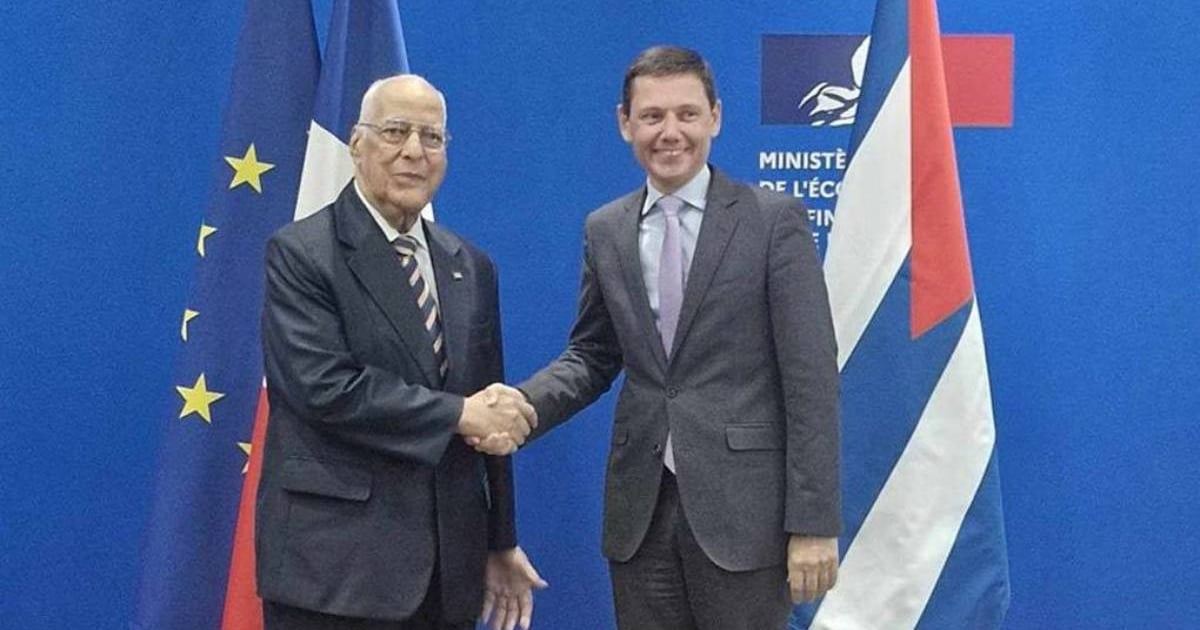
In the context of Cuba, these negotiations are complicated by the country’s unique economic structure and the broader impact of international sanctions. Because the Paris Club deals exclusively with government-to-government debt, its actions are distinct from those involving private commercial creditors or multilateral institutions like the International Monetary Fund (IMF). Consequently, the progress of these talks is a key indicator of the health of Cuba’s bilateral relationships with major European and other international creditors.
Economic Pressures and Debt Sustainability
Cuba’s ability to service its debt has been severely hampered by a combination of internal economic policy challenges and external shocks. According to data provided by the Economic Commission for Latin America and the Caribbean (ECLAC), the island has faced significant contractions in tourism revenue and agricultural output, both of which are vital for generating the foreign exchange reserves necessary to meet debt obligations. These systemic issues have made the search for a sustainable debt restructuring agreement essential to preventing a total default on bilateral credit lines.
Financial analysts note that the current climate of high global interest rates further complicates the fiscal outlook for emerging markets like Cuba. When a nation’s debt-to-GDP ratio remains elevated, the cost of servicing existing debt consumes a disproportionate share of the national budget, leaving little room for essential public investment or social spending. The Paris Club’s approach typically requires the debtor nation to implement structural adjustments that ensure long-term solvency, a process that is often politically sensitive for the Cuban administration.
Comparing Debt Restructuring Frameworks
It is helpful to distinguish between the Paris Club’s bilateral approach and the broader mechanisms used in global finance. Unlike the G20 Common Framework, which is designed to include a wider array of creditors—including non-Paris Club members like China—the Paris Club maintains a more traditional, exclusive dialogue. The following table highlights the differences in these approaches to sovereign debt:
| Mechanism | Primary Participants | Scope |
|---|---|---|
| Paris Club | Official Bilateral Creditors | Government-to-government debt |
| G20 Common Framework | Bilateral & Private/Commercial | Comprehensive debt restructuring |
| IMF/World Bank | Multilateral Institutions | Policy-based lending and oversight |
The reliance on the Paris Club for Cuban debt suggests that the government continues to prioritize traditional bilateral diplomacy. However, as global lending patterns shift, observers are monitoring whether Cuba will seek broader, more inclusive debt treatment platforms to address its mounting financial liabilities.
What Happens Next: Monitoring Future Updates
The next major checkpoint for stakeholders involves the upcoming annual review of sovereign debt standings, where member nations of the Paris Club will evaluate the performance of various debt-relief agreements. While specific dates for bilateral meetings between Cuba and its creditors are rarely publicized in advance, the official Paris Club communications portal serves as the authoritative source for any finalized debt treatments or changes in repayment status.
For investors and policy analysts, watching these official channels is the most reliable way to gauge shifts in Cuba’s international standing. As the global economy continues to navigate inflationary pressures and fluctuating commodity prices, the terms of Cuba’s debt restructuring will remain a bellwether for the nation’s broader economic trajectory. We invite readers to share their insights or questions regarding global debt policy in the comments section below, as we continue to track these developments through the coming fiscal year.
Related reading