
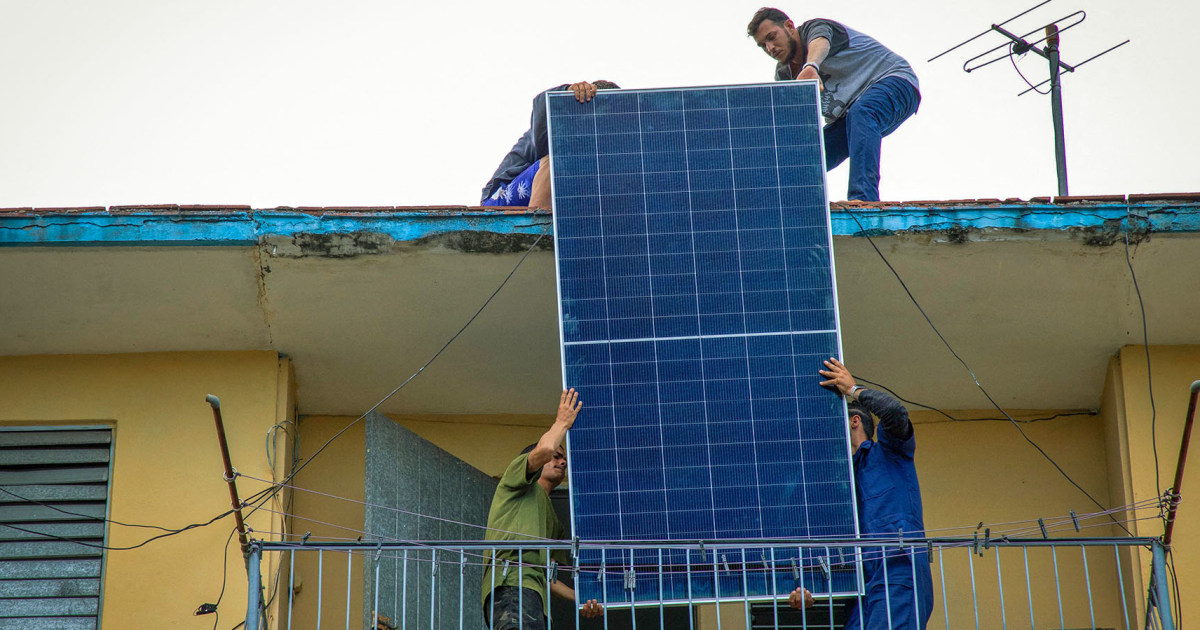
As Cuba grapples with one of the most challenging humanitarian periods in its recent history, the daily lives of its citizens have been fundamentally altered by persistent, nationwide electrical blackouts. For many families, the struggle to maintain basic household functions has forced a shift toward improvisation, leading to a stark divide between those who can access modern renewable solutions and those who must rely on traditional, less efficient and potentially hazardous alternatives.
The island nation is currently navigating a period of severe fuel shortages and significant political and economic uncertainty, which has left the national power grid under immense strain. As the government in Havana works to manage these systemic issues, the search for energy alternatives has become a central concern for the population, highlighting a growing reliance on personal adaptation in the face of limited state-supplied electricity.
The Shift Toward Solar Energy
For a segment of the population, the move toward renewable energy—specifically solar power—has provided a lifeline. Households that have been able to secure solar panels report that the technology has been a transformative development, allowing them to maintain lighting, charge essential communication devices, and power little appliances even during prolonged grid failures. However, this transition remains limited by high entry costs and the logistical challenges of importing such equipment into the country.
While solar energy represents a promising path for household autonomy, It’s not currently accessible to the majority of the population. The economic barrier to entry means that many Cubans continue to endure the daily reality of intermittent power, often looking to older, more conventional methods to meet their fundamental cooking and heating needs.
Charcoal and the Costs of Dependence
In the absence of consistent electricity, many Cubans have turned to charcoal as a primary alternative for cooking. While this practice provides a functional solution to the immediate problem of meal preparation, it carries significant drawbacks. Health experts and local observers have noted concerns regarding indoor air quality and the long-term respiratory impacts associated with the frequent use of charcoal in residential settings.

Beyond the health implications, there is a clear economic burden. Relying on charcoal, particularly as demand fluctuates in response to the frequency of blackouts, places a steady financial strain on households already dealing with broader economic pressures. The reliance on such traditional fuel sources serves as a tangible indicator of the current strain on Cuba’s infrastructure and the limited availability of imported energy resources.
A Broader Context of Infrastructure Strain
The current energy crisis in Cuba is deeply tied to the country’s reliance on imported oil to generate electricity and sustain public transport. Recent reports indicate that the nation has faced significant obstacles in securing these essential fuel shipments, leading to a de facto reduction in the capacity of its power plants. This situation has necessitated a reliance on domestic alternatives, as the government continues to navigate complex international relations and internal economic management.
The impact of these shortages extends far beyond the kitchen. Public services, transportation, and the broader social fabric are all feeling the effects of the reduced energy supply. For the average resident, the challenge is not only finding a way to cook or keep the lights on but also navigating a landscape where the standard of living is being reshaped by the scarcity of energy.
Looking Ahead
As of late May 2026, there is no immediate indication that the underlying causes of the energy crisis will be resolved in the short term. The government of Cuba, led by President Miguel Díaz-Canel, remains focused on addressing these systemic failures while managing the pressures of external economic factors. The situation remains fluid, with citizens continuing to demonstrate resilience by adapting to the limitations of the current power infrastructure.

For those interested in following the situation, official updates from the Cuban government regarding energy policy and grid management remain the primary source of information for developments on the ground. As the situation evolves, the resilience of the Cuban people in finding creative, if difficult, solutions to their energy needs will likely remain a defining feature of daily life on the island.
We welcome your perspective on how global energy shifts are impacting local communities. Please share your thoughts in the comments section below or join the conversation on our social media channels.