
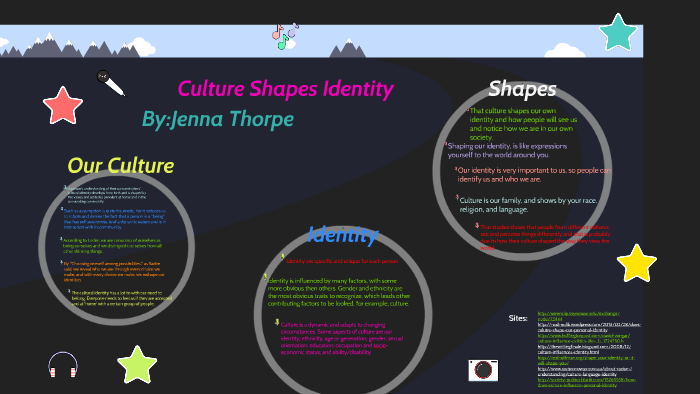
The question of whether identity is rooted in “culture or blood” is a recurring debate that touches upon the very core of human sociology and biology. While some argue that our essence is determined by genetic inheritance—the “blood”—others maintain that identity is a learned construct, shaped by the environments, languages, and traditions we inhabit. As a physician and health journalist, I find that this intersection of biology and sociology is where the most complex aspects of the human experience reside.
At its heart, the discussion explores the tension between innate traits and acquired characteristics. This duality is not merely academic; it influences how individuals perceive their place in the world and how they relate to others. Understanding cultural identity requires a look at both the tangible markers of ancestry and the intangible bonds of shared experience.
From a medical and sociological perspective, the concept of “blood” often serves as a metaphor for lineage and genetic heritage. However, the reality of human identity is rarely a binary choice between nature and nurture. Instead, it is a sophisticated interplay where biological predispositions meet the social structures that define our daily lives.
Defining Cultural Identity and the Social Construct
To understand the “culture” side of the debate, we must first define what constitutes a cultural identity. According to Wikipedia, cultural identity is the sense of belonging an individual or social group feels toward a specific cultural collective. This collective can be as broad as an entire society or as narrow as a specific subculture or social milieu.

This sense of belonging is often built upon a series of shared, historically acquired aspects. These include:
- Language and communication styles
- Religious beliefs and spiritual practices
- National affiliation and historical narratives
- Value systems, customs, and traditional manners
- General perspectives on the world and life’s purpose
The process of forming this identity is often discursive, meaning it is constructed through the distinction between the “self” and the “other.” By defining what is “ours,” we inherently define what is “foreign.” This process, known in sociology as “othering,” can evoke powerful emotions. For many, their cultural identity provides a profound sense of security, warmth, and home. Conversely, when a group faces discrimination or exclusion, this collective identity can become a vital tool for self-assertion and resilience.
The Role of Heritage and Ancestry
When people refer to “blood” in the context of identity, they are typically discussing the biological and ancestral links that connect them to their forebears. This perspective emphasizes the idea of an inherited legacy—something that is present from birth and cannot be acquired through education or social integration.
This concept is often celebrated in art and music as a way to bridge the gap between the past and the future. For example, the song “Kultur im Blut” is described as a powerful hymn that celebrates the cultural heritage and identity residing within individuals, illustrating how the connection to one’s ancestors can be a source of strength and inspiration.
While biology provides the blueprint, the expression of that heritage is often filtered through culture. The “blood” may provide the link to a specific ancestral group, but the “culture” provides the tools—the language, the art, and the customs—to express and understand that link.
The Interplay Between Nature and Nurture
In the medical field, we often see how genetic predispositions (the “blood”) can influence certain traits, but the environment (the “culture”) determines how those traits manifest. Identity is not a static destination but a dynamic process. A person may be born into a specific genetic lineage but grow up in a culture entirely different from that of their ancestors. In such cases, their identity becomes a hybrid, blending biological heritage with social adoption.
The tension between these two forces is often reflected in how different societies view identity. In more traditional societies, cultural identity may manifest as an unquestioned identification with the existing social order. In more globalized or pluralistic societies, identity is often more fluid, allowing individuals to navigate multiple cultural spheres simultaneously.
Key Takeaways on Identity
- Cultural Identity: A feeling of belonging to a collective based on shared language, religion, and values.
- The “Other”: Identity is often formed by contrasting the “self” with a perceived “other,” which can lead to feelings of either security or alienation.
- Biological Heritage: Often referred to as “blood,” this represents the ancestral and genetic link to previous generations.
- Synergy: Most modern perspectives suggest that identity is a combination of both inherited traits and learned cultural behaviors.
the question “Is it culture or is it blood?” may be a false dichotomy. It is more accurate to ask how culture and blood interact to shape the unique identity of every individual. Whether through the artistic celebration of heritage or the sociological construction of community, both elements play a role in defining who we are and where we come from.
As we continue to navigate an increasingly interconnected world, the dialogue surrounding identity will likely shift toward how we integrate these diverse influences. There are no scheduled official hearings or legislative mandates currently redefining these sociological concepts, but the academic and social discourse remains an active area of exploration.
We invite our readers to share their perspectives in the comments below. How do you balance your ancestral heritage with the culture you live in today?