
Early detection remains the most critical factor in improving survival rates for patients facing oncological challenges. In a significant move toward more accessible diagnostics, researchers in the United States have developed a low-cost blood test capable of simultaneously detecting multiple types of cancer and liver diseases. This innovation aims to shift the paradigm of health monitoring by providing a comprehensive overview of an individual’s organic state through a single blood draw.
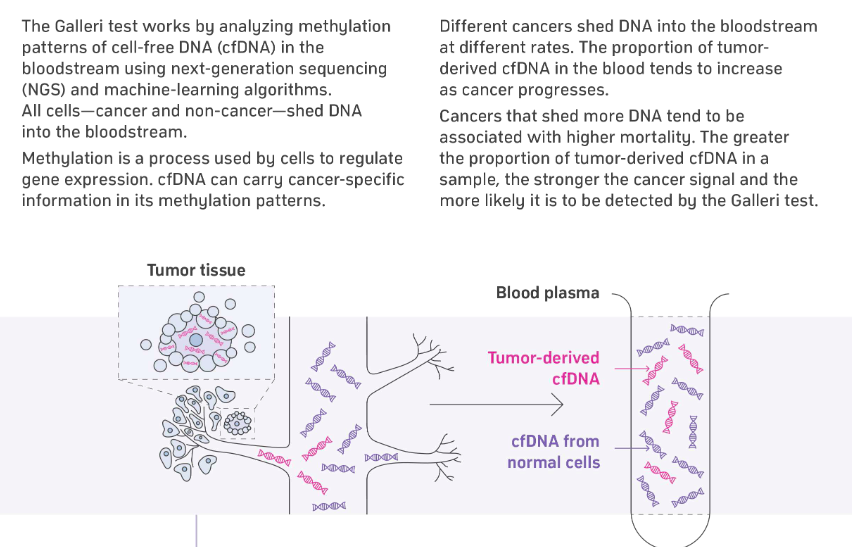
The new diagnostic tool, known as MethylScan, represents a departure from traditional genetic screening. Rather than searching for specific genetic mutations, the test analyzes the methylation of cell-free DNA (cfDNA). These small fragments of genetic material are released into the bloodstream daily as billions of cells die. By examining the chemical modifications—or methylation patterns—that regulate gene activity, the test can identify signals that reflect the state and activity of various organs, including those affected by malignancy or hepatic dysfunction.
Developed by researchers at the University of California, Los Angeles (UCLA), the MethylScan technology was detailed in a study published in the journal Proceedings of the National Academy of Sciences (PNAS) according to medical reports. Because methylation patterns differ based on the type of tissue, the test can pinpoint anomalies that occur when cancer or other diseases develop, offering a potential breakthrough for early-stage intervention.
Understanding the Science of Cell-Free DNA and Methylation
To understand how MethylScan works, it is necessary to look at the biology of the human bloodstream. Every day, the body undergoes a natural process of cell death and regeneration. When cells die, they release fragments of their DNA into the circulatory system; this is referred to as cell-free DNA (cfDNA). In a healthy body, these fragments provide a baseline of genetic information, but in the presence of disease, these fragments carry distinct “signatures.”
While some existing liquid biopsies look for mutations—actual changes in the DNA sequence—MethylScan focuses on epigenetics. Methylation is a process where chemical groups are added to the DNA molecule. These modifications do not change the sequence of the DNA itself but act as switches that turn genes on or off. Because different organs have unique methylation “fingerprints,” researchers can identify when a specific organ is malfunctioning or when cancerous cells are altering the chemical landscape of the DNA.
This approach allows the test to be multi-functional. Instead of testing for one specific cancer, the analysis of these patterns allows for the simultaneous screening of various cancers and liver diseases. This systemic overview is designed to be more efficient than traditional methods, which often require separate tests for different organs or invasive biopsies to confirm a diagnosis.
Comparing Modern Liquid Biopsy Innovations
The development of MethylScan is part of a broader global trend toward “liquid biopsies”—tests that detect biomarkers in blood or other fluids. Other notable advancements in this field include the Galleri test, which has been evaluated in the U.S. And by the British medical system. The Galleri test is designed to search for fragments of DNA shed by cancer cells and has demonstrated the ability to find more than 50 types of cancer in early stages as reported in study results presented at the European Congress of Medical Oncology.
Data from the Pathfinder 2 study involving 23,161 participants showed that the Galleri test correctly identified cancer in 62% of people who received a positive result. Notably, over half of these cancers were detected in stages I or II, and the test correctly identified the location of the cancer in 92% of cases. However, medical professionals, including experts from Oxford, have cautioned that approximately 40% of positive results from such screenings can be false positives.
In addition to these comprehensive screenings, more specialized rapid tests are emerging. For instance, researchers at the Aston Institute of Photonic Technologies at Aston University have developed a “revolutionary” dried blood test called Qur. This specific test focuses on prostate cancer, analyzing crystal-like structures in dehydrated blood. The Qur test aims to detect prostate cancer in 15 minutes or less with a reported accuracy of up to 90%, potentially replacing or supplementing the standard Prostate-Specific Antigen (PSA) tests which are often less precise according to reports in Scientific Reports.
Key Comparison of Emerging Blood-Based Diagnostics
| Test Name | Primary Focus | Methodology | Key Feature |
|---|---|---|---|
| MethylScan | Multi-cancer & Liver Disease | DNA Methylation Analysis | Low-cost, multi-organ overview |
| Galleri | 50+ Types of Cancer | cfDNA Fragments | High location accuracy (92%) |
| Qur | Prostate Cancer | Dried blood/crystal structures | Rapid results (under 15 mins) |
The Impact of Early Detection on Patient Outcomes
The primary goal of the UCLA researchers and other innovators in the field is the reduction of late-stage diagnoses. In oncology, the stage at which a disease is discovered is the single most significant predictor of survival. When cancer is caught in its incipient stages, surgical options are more viable, and systemic treatments are generally more effective.
The ability to screen for multiple conditions—such as combining cancer detection with the identification of liver anomalies—reduces the “diagnostic odyssey” many patients face. Instead of undergoing a series of separate, often invasive tests, a single blood draw can act as a red flag, directing physicians to the specific organ that requires further investigation.
However, the transition from research to clinical practice involves rigorous validation. The challenge for all liquid biopsies is balancing sensitivity (the ability to find the disease) with specificity (the ability to avoid false positives). As seen with the Galleri test, a high rate of false positives can lead to unnecessary patient anxiety and a surge in follow-up diagnostic procedures that may not be necessary.
Future Outlook and Clinical Integration
As these technologies move toward widespread adoption, the focus will shift toward integration into national health screenings. For example, the British medical system is expected to publish its own results regarding the Galleri test by mid-2026. If these results are positive, there is a possibility that such tests could be offered annually to individuals over the age of 50.
For MethylScan, the emphasis on low cost is a critical factor. For a screening tool to be effective on a global scale, it must be accessible not only to those in high-income healthcare systems but also to populations in underserved regions. By reducing the cost of analyzing cfDNA methylation, the UCLA team is positioning this technology as a viable tool for general health monitoring and early intervention.
The next major milestone for these diagnostics will be the publication of larger, longitudinal clinical trials to confirm the long-term impact on mortality rates. While the ability to detect a signal is a scientific victory, the ultimate medical victory is the proven increase in patient survival years through these early warnings.
For those seeking official updates on these technologies, we recommend monitoring the publications of the Proceedings of the National Academy of Sciences (PNAS) and official announcements from the University of California, Los Angeles (UCLA) medical center.
Do you believe annual multi-cancer screenings should turn into a standard part of healthcare for adults over 50? Share your thoughts in the comments below and share this article with your network to keep them informed on medical innovation.
Related reading