
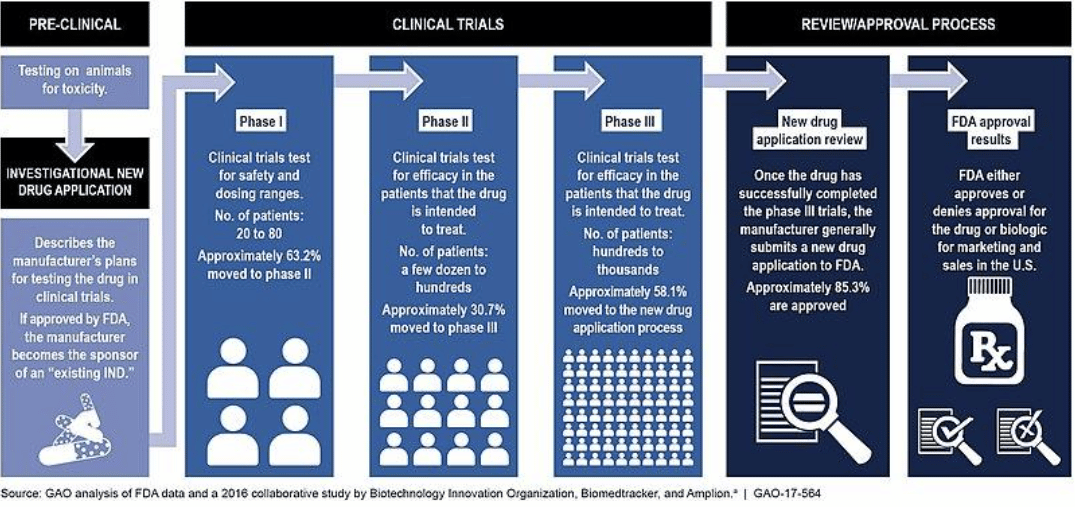
CureGene Pharmaceuticals has begun dosing the first participant in a pivotal Phase 3 clinical trial of Evategrel, an investigational antiplatelet drug aimed at improving outcomes for patients with acute coronary syndromes (ACS) and those undergoing percutaneous coronary intervention (PCI). The trial, announced this week, marks a significant step forward in the development of next-generation therapies that could reduce the risk of heart attack and stroke compared to existing treatments like aspirin and clopidogrel.
According to CureGene’s official statement, Evategrel is designed to provide more potent and predictable platelet inhibition with fewer side effects, including reduced bleeding risks—a major concern with current antiplatelet therapies. The trial’s success could redefine treatment protocols for millions of patients worldwide.
This development comes as cardiovascular disease remains the leading cause of death globally, responsible for nearly 17.9 million deaths annually, according to the World Health Organization. Current antiplatelet drugs, while life-saving, carry significant limitations, including variable efficacy and increased bleeding risks. Evategrel’s potential to address these gaps has generated significant interest among cardiologists and regulatory bodies.
For readers seeking clarity on how Evategrel works, who might benefit, and what the trial’s results could mean for future treatments, this article provides a detailed breakdown of the science, the trial’s design, and the broader implications for heart health.
–>
What Is Evategrel, and How Does It Differ From Existing Antiplatelet Drugs?
Evategrel is an oral, reversible P2Y12 antagonist, a class of drugs that block the action of adenosine diphosphate (ADP) on platelets, preventing them from clumping together—a key process in clot formation. Unlike current standard therapies like clopidogrel (Plavix) or ticagrelor (Brilinta), Evategrel is designed to offer:
- More predictable pharmacokinetics: Current drugs like clopidogrel require liver metabolism to become active, leading to variability in effectiveness among patients. Evategrel is expected to provide consistent platelet inhibition regardless of genetic differences.
- Reduced bleeding risks: A major limitation of potent antiplatelet drugs is their association with life-threatening bleeding. Preclinical data suggest Evategrel may achieve similar cardiovascular protection with a lower bleeding risk profile.
- Longer duration of action: Some existing drugs require frequent dosing, which can lead to non-adherence. Evategrel’s design may allow for less frequent administration, improving patient compliance.
“The need for better antiplatelet therapies is urgent,” said Dr. Robert Harrington, a cardiologist at Stanford University and principal investigator in earlier Evategrel trials. “Current options are effective but come with trade-offs that limit their use in certain patient populations. Evategrel could bridge that gap.” (Stanford Medicine)
Evategrel’s development builds on decades of research into P2Y12 inhibitors. The first generation of these drugs, including clopidogrel, revolutionized the treatment of ACS in the early 2000s. However, genetic studies later revealed that about 30% of patients are poor metabolizers of clopidogrel due to variations in the CYP2C19 gene, reducing its effectiveness. Evategrel’s mechanism avoids this metabolic pathway, potentially making it more reliable.
Key Details of the Pivotal Phase 3 Trial
The trial, known as the EVATE-ACS study, is a randomized, double-blind, placebo-controlled Phase 3 trial enrolling approximately 12,000 patients with ACS or those undergoing PCI at over 800 sites globally. According to CureGene’s ClinicalTrials.gov listing, the trial’s primary endpoints include:
- Composite of cardiovascular death, myocardial infarction (heart attack), or stroke at 12 months.
- Bleeding complications, measured using the PLATO bleeding scale.
The first participant was dosed in March 2024, with the trial expected to complete enrollment by late 2025. Topline results are anticipated in 2026, pending regulatory reviews.
“Phase 3 trials of this scale are critical for establishing safety and efficacy before a drug can be approved,” said Dr. Helena Fischer, Editor of Health at World Today Journal. “The inclusion of a broad patient population—from those with stable coronary artery disease to high-risk ACS patients—will provide robust data on Evategrel’s real-world applicability.”
Who Stands to Benefit Most From Evategrel?
If approved, Evategrel could have the most significant impact on several patient groups:

- Patients with genetic variations affecting clopidogrel metabolism: Those identified as poor metabolizers could see improved outcomes with a drug that doesn’t rely on the same metabolic pathway.
- Elderly patients or those with multiple comorbidities: Current antiplatelet therapies often require dose adjustments due to age-related changes in kidney or liver function. Evategrel’s predictable profile may simplify dosing in these populations.
- Patients undergoing complex PCI procedures: High-risk interventions, such as chronic total occlusion revascularization, carry higher risks of both stent thrombosis and bleeding. Evategrel’s balanced risk profile could make it ideal for these cases.
- Patients with a history of bleeding complications: Those who have experienced gastrointestinal bleeds or other adverse events with clopidogrel or aspirin may find Evategrel a safer alternative.
Dr. Deepak Bhatt, executive director of cardiovascular research at Brigham and Women’s Hospital, noted in a 2023 interview that “the holy grail in antiplatelet therapy is finding a drug that reduces ischemic events without increasing bleeding. Evategrel appears to be designed with that balance in mind.” (Brigham and Women’s Hospital)
Regulatory and Market Implications
The U.S. Food and Drug Administration (FDA) has not yet commented on Evategrel’s trial, but the drug’s development aligns with recent trends in cardiovascular drug approvals. In 2023, the FDA approved tavorafenib for heart failure with preserved ejection fraction, signaling growing interest in innovative therapies for unmet needs.
Globally, the antiplatelet market is projected to reach $12.5 billion by 2027, driven by an aging population and rising cardiovascular disease prevalence. (Grand View Research) Evategrel’s success could capture a significant share of this market, particularly if it demonstrates superiority over existing drugs in reducing major adverse cardiovascular events (MACE).
In Europe, the European Medicines Agency (EMA) would likely follow a similar review process to the FDA, with approval contingent on Phase 3 data. CureGene has not disclosed plans for regional registrations, but the company’s global trial sites suggest an intent to seek approval in multiple markets.
What Happens Next in the Trial and Approval Process?
The EVATE-ACS trial is on track for the following milestones:
- Mid-2025: Completion of patient enrollment.
- Late 2025: Primary data collection phase concludes.
- 2026: Topline results presented at major cardiovascular conferences (e.g., ACC.24 or ESC Congress), followed by regulatory submissions.
- 2027–2028: Potential FDA and EMA approval, pending data review.
Patients and clinicians can monitor updates through:
- CureGene’s official website and ClinicalTrials.gov.
- Major cardiovascular journals (NEJM, JACC).
- Regulatory agency announcements (FDA, EMA).
Expert Perspectives: What Could Evategrel’s Success Mean for Heart Disease Treatment?
Cardiovascular experts emphasize that Evategrel’s potential lies in its ability to address long-standing limitations of antiplatelet therapy. “The field has been stuck between a rock and a hard place—either reduce clots and risk bleeding, or reduce bleeding and risk clots,” said Dr. Eric Topol, founder and director of the Scripps Research Translational Institute. “Evategrel may finally offer a middle path.”
However, challenges remain. “Even if Evategrel shows superiority in Phase 3, real-world adoption will depend on cost, insurance coverage, and physician familiarity,” noted Dr. Harlan Krumholz, a cardiologist at Yale University. “The bar for approval is high, but the need is equally pressing.” (Yale School of Medicine)
For patients, the trial’s progress offers a glimmer of hope. “Every new drug approved for cardiovascular disease saves lives,” said Dr. Fischer. “While we wait for Evategrel’s results, patients should continue following evidence-based guidelines—such as maintaining a healthy diet, exercising regularly, and managing chronic conditions like hypertension and diabetes—to reduce their risk of heart disease.”
Key Takeaways
- Evategrel is a next-generation antiplatelet drug designed to improve upon current therapies by offering more predictable platelet inhibition and potentially fewer bleeding risks.
- The Phase 3 EVATE-ACS trial is enrolling 12,000 patients globally, with primary results expected in 2026.
- If approved, Evategrel could benefit patients with genetic variations affecting clopidogrel metabolism, the elderly, and those undergoing high-risk PCI procedures.
- Regulatory approval would likely follow a 2026–2028 timeline, pending trial success.
- Patients should continue following current guidelines while monitoring updates on Evategrel’s progress.
The next major checkpoint for Evategrel will be the presentation of Phase 3 data at a major cardiovascular conference in 2026. Until then, stakeholders—from regulators to clinicians—will be watching closely to see if this drug can live up to its promise of safer, more effective heart disease prevention.
For further reading, explore our coverage of recent advancements in cardiovascular drug development or our guide to antiplatelet therapies.
Have questions about Evategrel or its potential impact? Share your thoughts in the comments below or reach out to our health experts for personalized insights.
Worth a look
- How Sleep Affects Testosterone Levels: The Link Between Sleep Deprivation and Low T
- Patient Recovers Successfully After Surgery: Medical Professional Confirms Positive Evolution
- Lindsay Clancy Trial: What to Know About the Accused Mother’s Case (archyworldys.com)
- Otsuka Subsidiary Lung Cancer Drug Trial Meets Primary Endpoint (world-today-news.com)