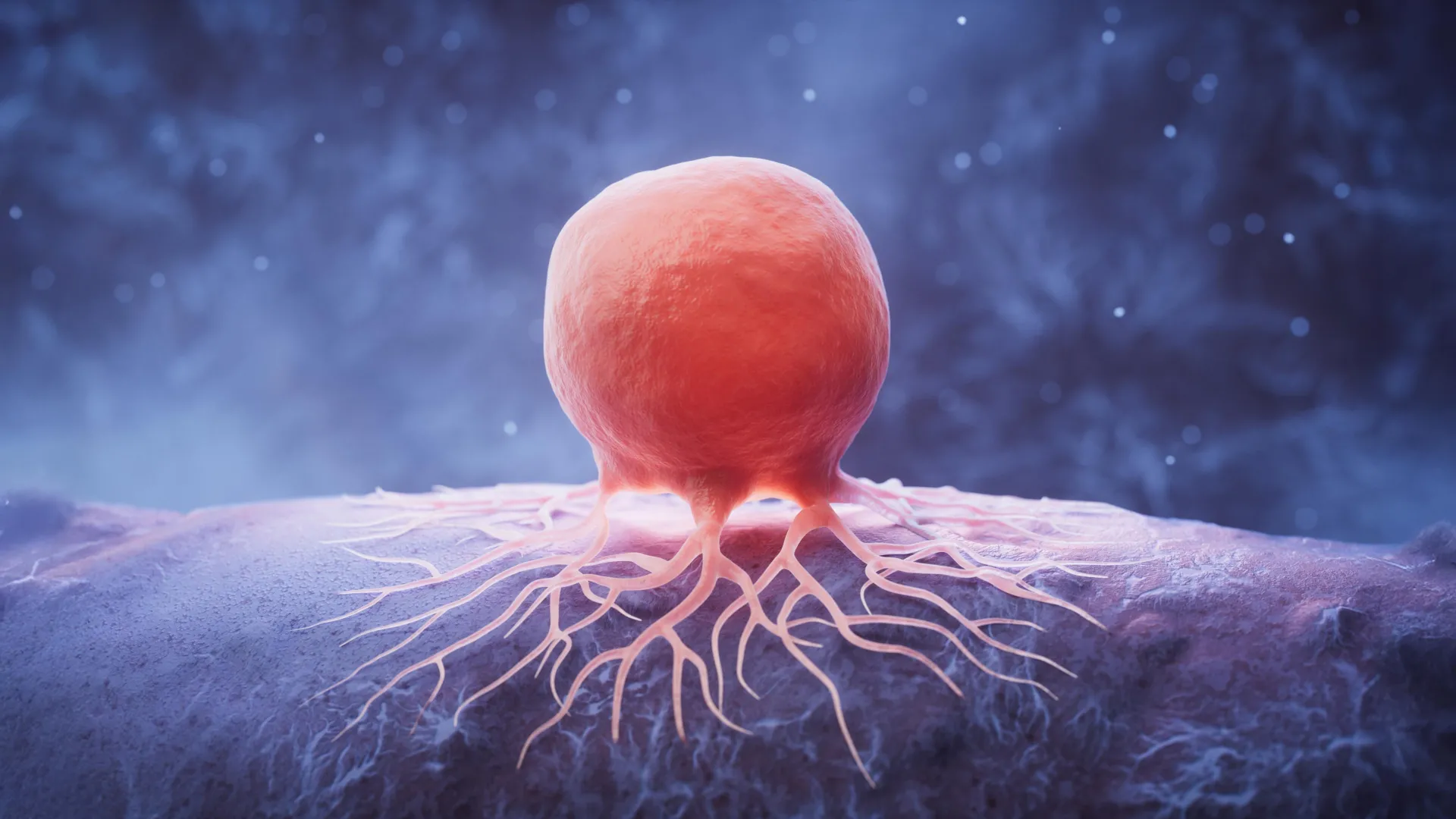
The Hidden Fuel for Breast Cancer: Why High-Fat Diets May Backfire for Patients with Obesity
For years, the focus on obesity and cancer has centered on inflammation and insulin resistance. Though, groundbreaking research from the University of Utah’s Huntsman Cancer Institute is revealing a critical, frequently enough overlooked factor: lipids (fats). this study demonstrates that breast cancer cells actively require lipids to grow, and that high-fat diets, like the ketogenic diet, could inadvertently accelerate tumor progression in individuals with obesity.
This isn’t simply about weight; it’s about the metabolic surroundings created by excess fat and how cancer cells exploit it. Understanding this connection is crucial for both cancer prevention and treatment, and may necessitate a re-evaluation of dietary recommendations for patients.
The Lipid-Cancer Connection: A Deep Dive
The research, published in Cancer & Metabolism, challenges the conventional understanding of obesity’s impact on cancer. Led by Keren Hilgendorf, PhD, assistant professor of biochemistry, the team discovered that breast cancer cells exhibit a remarkable “addiction” to lipids. In patients with obesity, the increased abundance of lipids in the bloodstream provides a readily available fuel source for tumor growth.
“We’ve underestimated the importance of fats and lipids in the all-encompassing term that is obesity,” explains Dr. Hilgendorf. “Our study shows that breast cancer cells are really addicted to lipids, and the abundance of lipids in patients with obesity is one of the reasons that breast cancer is more prevalent and more aggressive in these patients.”
To investigate this, researchers conducted experiments on mice. They studied two groups: those fed high-fat diets and those genetically engineered to have high levels of lipids in their blood (hyperlipidemia) without the typical accompanying metabolic issues like high glucose and insulin. Remarkably, in both scenarios, excess lipids alone were sufficient to accelerate tumor growth.
Amandine Chaix, PhD, assistant professor of nutrition and integrative physiology, explains the mechanism: “Lipids form the building blocks of cell membranes. If a cell receives the signal to proliferate and more building blocks are available, the tumor is going to grow more easily. A high amount of lipids enables this proliferation.”
What Happens When You Restrict lipids?
Conversely, when researchers reduced lipid levels in the mouse models, tumor growth significantly slowed, even in the presence of elevated glucose and insulin. This suggests that targeting lipid metabolism could be a powerful therapeutic strategy.
“If you could just lower the lipids – which we already know how to do with lipid-lowering medication – that could be a way to decelerate breast cancer growth,” says Dr. Hilgendorf. “If we can target these high levels of fat in the blood, the cancer suffers because the lipids are no longer feeding the cancer.”
The Ketogenic Diet: A Cautionary Tale for Breast Cancer Patients
This research carries significant implications for dietary choices, especially for individuals diagnosed with breast cancer and obesity. The ketogenic (keto) diet, a very high-fat, very low-carbohydrate regimen, has gained popularity for weight loss and potential health benefits. However, this study raises serious concerns about its suitability for this specific patient population.
Greg ducker,PhD,assistant professor of biochemistry,emphasizes the need for caution: “For patients who are diagnosed with breast cancer and have an elevated BMI,we would advise them to consult their physician and develop a weight loss plan as part of their treatment. If you have high cholesterol levels to start with, think about a weight loss plan or potential pharmaceuticals that could lower your lipid levels. As our study shows, diets like keto that are very high in fat can have serious unintended side effects – even causing the tumor to grow.”
Important note: The researchers are not suggesting that the keto diet is universally harmful. They acknowledge that it may be beneficial for other types of cancer and health conditions. Though, in the context of obesity and breast cancer, the potential risks appear to outweigh the benefits.
Future Directions & Broader Implications
The team is now focused on several key areas:
* Evaluating anti-lipid drugs: Preclinical studies are underway to assess whether drugs that lower lipid levels can enhance the effectiveness of chemotherapy.
* Understanding lipid uptake: Researchers are working to unravel the precise mechanisms by which cancer cells acquire and utilize lipids.
* Expanding the research: Investigating whether similar lipid-fueled growth patterns exist in other cancers,such as ovarian and colorectal cancers.
This research underscores the importance of personalized nutrition in cancer care. A one-size-fits-all approach to diet is no longer sufficient. Understanding an individual’s metabolic profile, including lipid levels, is crucial for developing effective prevention and treatment strategies.
The Bottom Line:
this study provides compelling evidence that lipids play a