
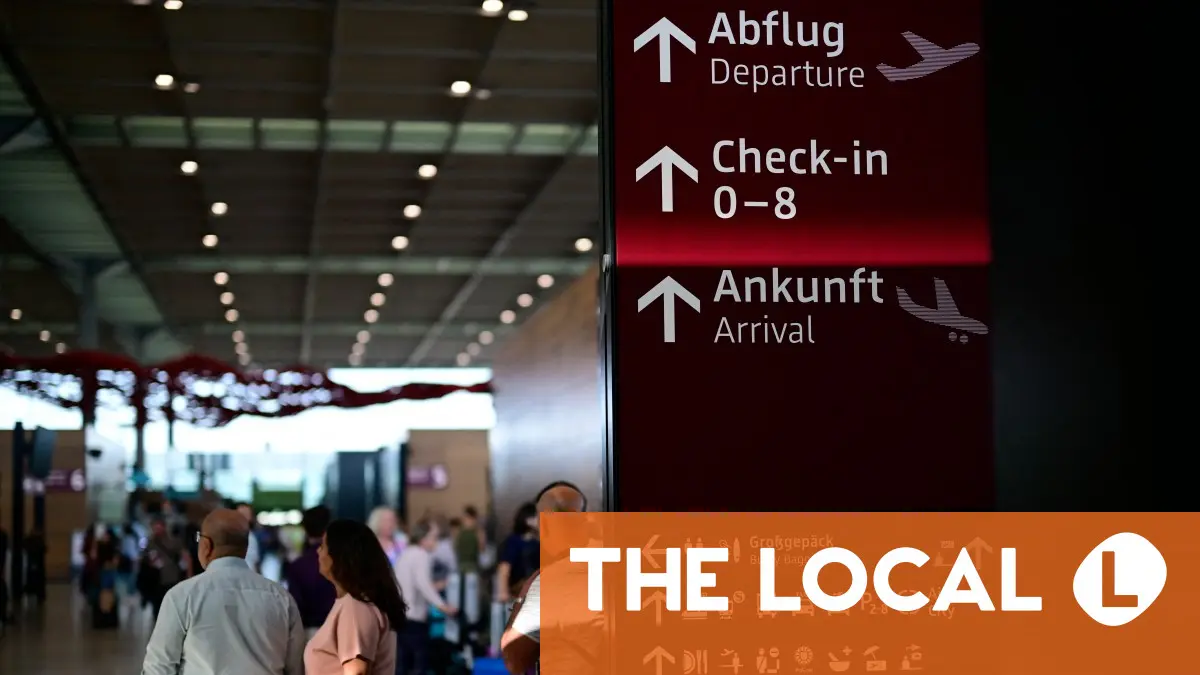
European Airports Experience Disruptions Following Suspected Cyberattack – What Travelers Need to Know
A widespread technical issue, believed to be linked to a cyberattack, caused critically important disruption to air travel across Europe this weekend. While the vast majority of flights continued to operate,passengers experienced delays and cancellations at major hubs like Brussels,Berlin,and Heathrow. Here’s a breakdown of what happened, what you need to know if you’re affected, and the broader implications for air travel security.
What Caused the Disruption?
The problems began Friday with reports of issues with passenger check-in software provided by Collins Aerospace. The company, a subsidiary of RTX (formerly Raytheon), confirmed they are “actively working to resolve the issue and restore full functionality.” The exact nature of the disruption – whether a full-blown cyberattack or a technical malfunction – remains under investigation.
Impacted Airports & Reported Issues:
* Brussels Airport: 45 of 257 departing flights were cancelled, with delays ranging from 30 to 90 minutes.
* Berlin Airport: Over 70 flights were delayed by midday Saturday, though some departures remained on schedule. The airport advised passengers to utilize online check-in,self-service kiosks,and fast bag drop services.
* Heathrow Airport: Experienced ongoing delays, as reported by The guardian.
* Münster/Osnabrück Airport: Indirectly affected, the airport proactively switched to it’s internal IT infrastructure to maintain operations.Flights departed on schedule Saturday evening.
* wider European Network: disruptions extended across the continent, impacting numerous airlines and passengers.
What Should You Do If Your Flight is Affected?
If you are traveling from or to an affected airport, here’s what you should do:
- Check with Your Airline: This is your first and most vital step. Airlines are responsible for rebooking you on the next available flight or providing a refund.
- Monitor Flight Status: Use your airline’s app or website to track your flight’s status in real-time.
- Allow Extra Time: Even if your flight isn’t currently delayed, anticipate longer queues and potential disruptions at the airport.
- Stay Informed: Follow airport and airline updates on social media for the latest information.
- Know Your Rights: Depending on the airline and the length of the delay, you may be entitled to compensation for meals, accommodation, and othre expenses.
The Growing Threat of Cyberattacks in Aviation
This incident underscores a critical vulnerability in modern air travel: its increasing reliance on interconnected digital systems. As Sky News and other outlets have reported, cyberattacks targeting the aviation sector are on the rise.
Consider these alarming statistics:
* 600% Increase: Cyberattacks against the aviation industry surged by 600% between 2024 and 2025, according to a recent report by thales.
* Every Link is Vulnerable: Airlines, airports, navigation systems, and suppliers are all potential targets.
* Prime Target: The aviation sector is now considered a “prime target” due to its strategic and economic importance.
Why is Aviation a Target?
The aviation industry presents a notably attractive target for cybercriminals for several reasons:
* Critical Infrastructure: Disrupting air travel has a significant economic and societal impact.
* Sensitive Data: Airlines and airports handle vast amounts of personal data, making them vulnerable to data breaches.
* Complex Systems: The intricate network of interconnected systems creates multiple entry points for attackers.
What’s Being Done to Improve Security?
While this incident is concerning,it’s also a wake-up call. Industry experts, like aviation expert Anita Mendiratta, emphasize the need for increased cybersecurity measures. These include:
* Enhanced threat Detection: Implementing advanced systems to identify and respond to cyber threats in real-time.
* Robust Security Protocols: Strengthening security protocols across all aspects of aviation operations.
* Collaboration & Information Sharing: improving collaboration and information sharing between airlines, airports, and cybersecurity agencies.
* Investment in resilience: building more resilient systems that can withstand and recover from cyberattacks.
This disruption serves


![The Untold Story Behind [Legend’s Name]’s Rise to Fame](https://i0.wp.com/assets.soyfutbol.com/__export/1767987377059/sites/debate/img/2026/01/09/larsson-messi_-1-.png_903948830.png?resize=150%2C100&ssl=1 "The Untold Story Behind [Legend’s Name]’s Rise to Fame")