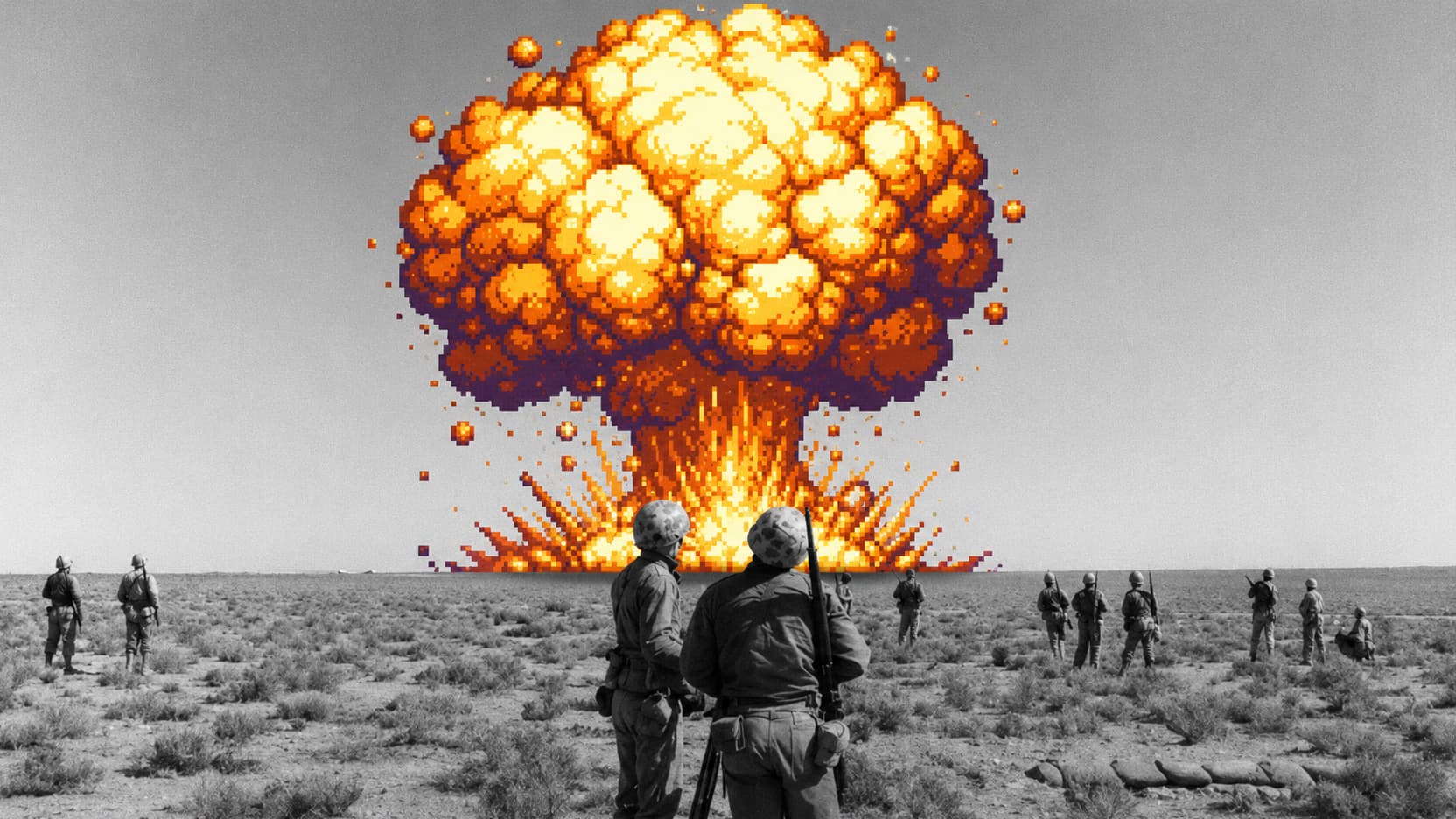
The digital landscape has evolved into a theater of strategic competition where the boundaries between peace and conflict are increasingly blurred. As nations integrate advanced technology into their critical infrastructure, the risk posed by state-sponsored cyber operations has become a focal point for global security analysts. From the disruption of energy grids to the manipulation of information environments, the rise of what some observers term the first “global cyberwar” reflects a fundamental shift in how geopolitical rivals exert influence and project power.
For policymakers and private sector leaders alike, understanding this new front requires looking beyond traditional military doctrine. While the term “cyberwar” remains a subject of ongoing debate among international legal scholars and military strategists, the reality of persistent, state-backed digital intrusions is well-documented. These operations, often characterized by their deniability and long-term strategic objectives, target the very systems that underpin modern economic and social stability.
According to the Cybersecurity and Infrastructure Security Agency (CISA), adversarial activity now frequently targets critical infrastructure sectors, including energy, transportation and communications. This shift marks a departure from historical espionage, moving toward a persistent model of activity that aims to position actors for future disruption or to achieve immediate political goals through coercive pressure.
The Evolution of Digital Sabotage
The history of state-sponsored digital interference is often traced back to the Cold War era, though the tools and objectives have changed significantly. Historical accounts, such as those detailed in the memoirs of former U.S. Officials, describe instances where software was utilized to influence the operational parameters of industrial systems. While these early operations were pioneering in their technical ambition, they functioned as isolated incidents rather than the continuous, multi-domain campaigns observed in the current decade.
Today, the scope of operations has widened to include the deployment of sophisticated malware, the exploitation of supply chain vulnerabilities, and the systematic use of disinformation campaigns. The National Cyber Security Centre (NCSC) in the United Kingdom emphasizes that the current threat landscape is defined by a high volume of activity from state actors who seek to gain a strategic advantage through the compromise of government and private sector networks. This approach is rarely about a single explosive event. instead, It’s a “low-and-slow” strategy designed to remain undetected while gathering intelligence or establishing a foothold for potential future action.
Key Actors and Strategic Objectives
Analysts generally categorize the primary actors in this digital arena as those possessing significant state-funded resources and long-term strategic mandates. The 2024 Annual Threat Assessment released by the U.S. Office of the Director of National Intelligence highlights that nations such as China, Russia, Iran, and North Korea continue to utilize cyber operations to advance their regional and global objectives. Each of these actors employs a distinct methodology tailored to their specific geopolitical goals.

For instance, some state actors focus heavily on intellectual property theft to bolster domestic industrial capabilities, while others prioritize the disruption of political processes or the destabilization of perceived adversaries. The challenge for international bodies is that cyber operations often occur below the threshold of traditional armed conflict, making them difficult to address through conventional diplomatic or legal frameworks. This “gray zone” activity creates a complex environment where attribution is difficult and retaliation carries the risk of unintended escalation.
Defending the Digital Perimeter
In response to these persistent threats, governments and corporations are increasingly adopting a “zero-trust” architecture. This security model assumes that no user or system—whether inside or outside the network—should be trusted by default. The National Institute of Standards and Technology (NIST) provides comprehensive guidelines for implementing these frameworks to mitigate the impact of potential breaches.
the private sector plays a critical role in this ecosystem. Because much of the nation’s critical infrastructure is privately owned, the collaboration between government intelligence agencies and private industry is essential for threat detection and information sharing. Organizations are being encouraged to participate in initiatives that facilitate the rapid exchange of indicators of compromise, which can help defend against widespread automated attacks before they cause systemic damage.
Looking Ahead: The Future of Cyber Resilience
As we look toward the remainder of 2026, the focus for international security policy remains on strengthening resilience. This involves not only technical defenses but also the development of international norms and standards that define acceptable behavior in cyberspace. While the United Nations has established groups of governmental experts to discuss these issues, achieving a global consensus on the “rules of the road” remains a formidable challenge.

The next major checkpoint for international dialogue on these issues will likely occur at the upcoming forums on digital governance and security, where member states are expected to address the proliferation of AI-driven cyber tools. For businesses and individuals, maintaining robust cybersecurity hygiene—such as enabling multi-factor authentication and keeping software updated—remains the most effective defense against the vast majority of opportunistic cyber threats.
We invite our readers to share their perspectives on this evolving issue. How should international law adapt to the realities of the digital age, and what role should private corporations play in national security? Join the conversation in the comments section below as we continue to monitor the intersection of technology, policy, and global security.