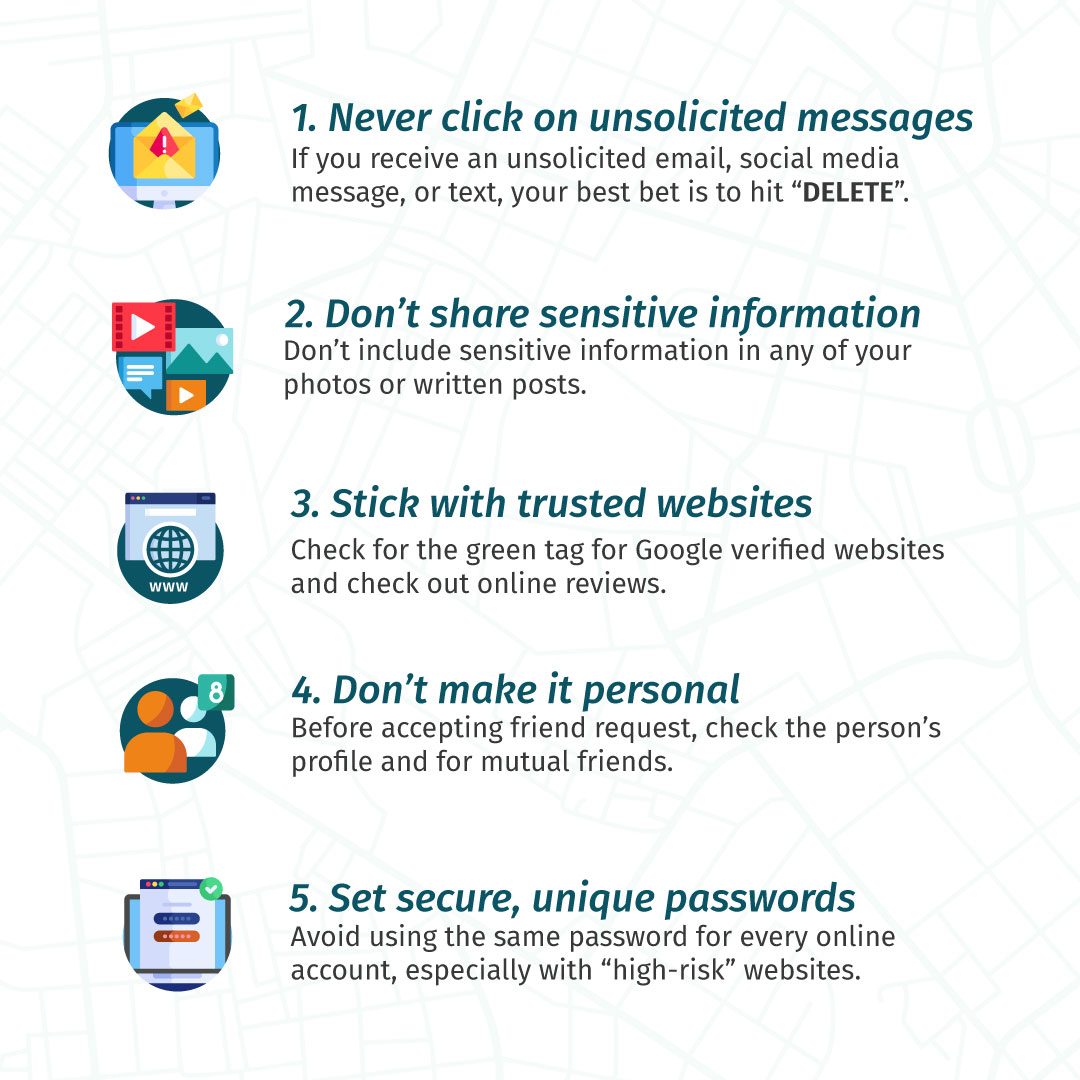
In recent weeks, French authorities have issued urgent warnings about a resurgence in sophisticated banking scams targeting consumers across the country. These fraudulent schemes, which often begin with deceptive text messages or emails, exploit public concern about financial security to trick individuals into revealing sensitive information or transferring money to criminal accounts.
The alerts approach as cybersecurity specialists note evolving tactics among fraudsters, including the use of voice messages to impersonate delivery personnel and increasingly varied approaches to phishing attempts. Officials emphasize that while these types of scams are not new, their methods have become more adaptable and harder to detect in 2025.
According to national cybersecurity monitoring platforms, there has been a marked increase in reports of fake bank alert messages since late 2024. These communications typically claim unauthorized activity on a victim’s account and urge immediate action, such as calling a provided number to stop further transactions. When individuals comply, they are connected to impostors posing as bank representatives who then extract personal data or convince victims to authorize fraudulent transfers.
The scams frequently reference time-sensitive threats, suggesting that unauthorized transactions will only appear on accounts after a 24 to 48-hour delay. This tactic is designed to create urgency and reduce the likelihood that victims will verify the claim through official channels before responding.
Public safety officials advise anyone receiving such messages to avoid clicking on links or calling numbers provided in unsolicited communications. Instead, individuals should verify any potential account issues by contacting their bank directly through official phone numbers or secure banking applications. Authorities also recommend reporting suspicious messages to national cybercrime reporting services to help track and disrupt criminal operations.
As digital financial interactions continue to grow, maintaining vigilance against increasingly sophisticated social engineering tactics remains essential for personal financial protection. Consumers are encouraged to stay informed through official cybersecurity advisories and to share awareness of these threats within their communities.
Related reading