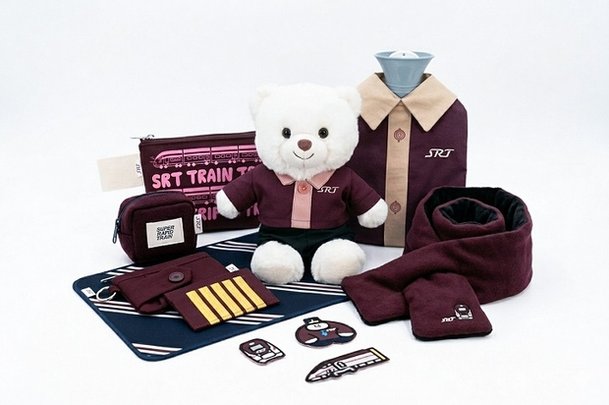
SR Launches ‘Tuntun Bear’ Made from Recycled Uniforms, Donating Proceeds to Pediatric Care
SEOUL, South Korea – In a unique blend of sustainability and social responsibility, South Korea’s high-speed rail operator, SR, has launched “Tuntun Bear,” a teddy bear crafted from recycled employee uniforms. The initiative, announced on March 12, 2026, builds upon the success of previous upcycled merchandise and aims to contribute to pediatric care at Samsung Seoul Hospital. This innovative approach to resource circulation is being hailed as a potential ESG model for other organizations.
The Tuntun Bear represents the third product in SR’s uniform upcycling line, following the positive reception of neck warmers and card cases released in earlier phases. These initial eight items demonstrated consumer interest in sustainable merchandise linked to the rail service. SR partnered with social enterprises Koiro and Touch4Good to transform uniforms that had been in service for a decade into the cuddly bears. A portion of the revenue generated from the sale of Tuntun Bear will be donated to the pediatric ward at Samsung Seoul Hospital, directly supporting healthcare for children. This commitment to social contribution underscores SR’s dedication to responsible corporate citizenship.
From Uniforms to Teddy Bears: A Circular Economy in Action
The concept of repurposing retired uniforms isn’t new, but SR’s approach, extending to a consumer product like a teddy bear, is garnering attention. The uniforms, having served passengers safely for ten years, were facing disposal. Instead, SR sought a way to give them a new life, minimizing waste and maximizing value. The partnership with Koiro and Touch4Good was crucial in realizing this vision. Koiro, an online shop specializing in unique and eco-friendly products, and Touch4Good, a social enterprise focused on creating positive social impact, brought the expertise needed to transform the materials into a desirable product. SR’s announcement highlights the company’s commitment to resource circulation.
Jeong Wang-kuk, CEO of SR, expressed hope that this initiative will serve as an “ESG model that combines resource circulation with sharing.” ESG, or Environmental, Social, and Governance, is a framework used to assess an organization’s sustainability and ethical impact. By demonstrating a commitment to these principles, SR aims to enhance its reputation and attract socially conscious consumers. The move aligns with a growing global trend towards sustainable practices and circular economies, where materials are kept in use for as long as possible.
Where to Purchase Tuntun Bear and Support the Cause
Consumers interested in purchasing a Tuntun Bear and supporting the cause have several options. The bears are available for purchase at Shop SRT located in Suseo Station, the online Koiro Shop, and Social Rail, a dedicated platform for railway merchandise. According to SR’s press release, this multi-channel distribution strategy aims to maximize accessibility for potential buyers.
The success of the initial upcycled merchandise – the neck warmers and card cases – suggests a strong demand for these types of products. The Tuntun Bear, with its appeal as a comforting and collectible item, is expected to further boost sales and increase the amount of funds available for donation to Samsung Seoul Hospital. The initiative too serves as a powerful marketing tool for SR, showcasing its commitment to sustainability and social responsibility.
The Broader Context of Sustainable Practices in Transportation
SR’s initiative is part of a larger movement within the transportation sector to adopt more sustainable practices. Rail travel, in general, is considered a more environmentally friendly mode of transportation compared to air or road travel, but there is still room for improvement. Companies are increasingly focusing on reducing their carbon footprint, minimizing waste, and promoting responsible sourcing. The upcycling of uniforms is just one example of how transportation operators are embracing circular economy principles.
Other initiatives in the transportation industry include the use of renewable energy sources to power trains, the development of more fuel-efficient engines, and the implementation of waste reduction programs. These efforts are driven by both environmental concerns and economic incentives, as consumers are increasingly demanding sustainable options. The success of SR’s Tuntun Bear project could inspire other transportation companies to explore similar initiatives, further accelerating the transition towards a more sustainable future.
Looking Ahead: Continued Commitment to ESG
SR’s commitment to ESG principles extends beyond the Tuntun Bear project. The company has implemented various other initiatives aimed at reducing its environmental impact and promoting social responsibility. These include energy conservation measures, waste recycling programs, and community outreach activities. The company’s long-term vision is to become a leader in sustainable transportation, setting a positive example for the industry.
The next step for SR will be to assess the impact of the Tuntun Bear launch and gather feedback from consumers. This information will be used to refine the upcycling program and develop new sustainable merchandise. The company is also exploring opportunities to expand its partnerships with social enterprises and further enhance its social contribution efforts. SR is expected to release a report on the Tuntun Bear project’s impact in the fourth quarter of 2026, detailing the amount of funds raised for Samsung Seoul Hospital and the environmental benefits of the upcycling initiative.
What are your thoughts on SR’s innovative approach to sustainability? Share your comments below and let us know how you believe other companies can embrace circular economy principles. Don’t forget to share this article with your network to spread awareness about this inspiring initiative.
Related reading