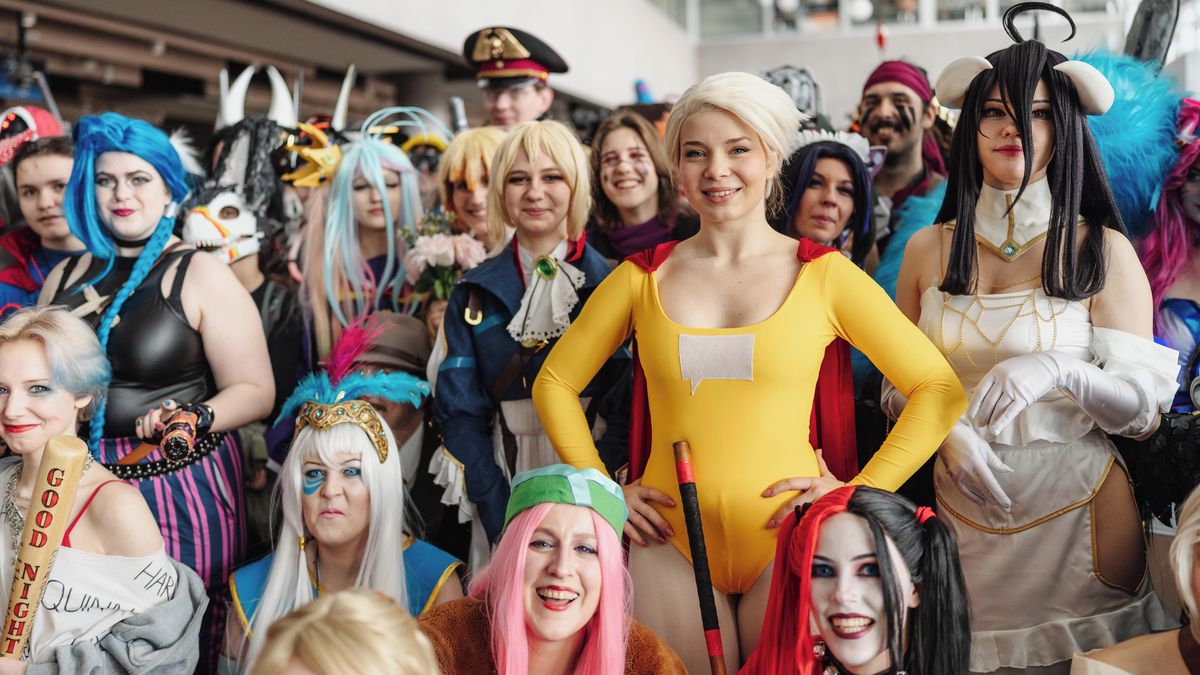
The landscape of pop-culture events in the Czech Republic has recently become the subject of intense public debate. At the center of the controversy is a shift in branding and the emergence of competitive events, which have left fans and industry observers divided over the nature of these changes. As the community navigates these shifts, questions regarding event identity and the use of established terminology have moved from niche online forums into the broader public discourse.
For some, this evolution represents a natural progression in a maturing market, reflecting the growing demand for diverse fan experiences. For others, the branding choices associated with these changes are viewed as an attempt to leverage the reputation of long-standing traditions. This tension, particularly regarding the use of the term “Comic-Con” and the rebranding of existing fan conventions, has sparked significant discussion across social media platforms and local news outlets.
The Evolution of Fan Conventions
The phenomenon of fan conventions, or “Comic-Cons,” has expanded globally over the past several decades, evolving from intimate gatherings into large-scale commercial events. In the Czech Republic, the rise of these events has mirrored global trends, with organizers seeking to provide fans with access to international celebrities, cosplay competitions, and exclusive merchandise. The recent discourse surrounding these events highlights the challenges of maintaining brand integrity in an increasingly crowded marketplace.
According to official event communications, the organizers of major conventions typically aim to create immersive environments that cater to specific fan bases, ranging from sci-fi and fantasy literature enthusiasts to followers of international film and television projects. As these events grow, the strategies employed to attract attendees—such as celebrity guest announcements and exclusive content—often become the primary metrics for success among the fan community.
Public Sentiment and Community Response
The current debate has been characterized by a high level of engagement from the public, particularly on platforms like Facebook and X (formerly Twitter). Reports indicate that concerns raised by fans often focus on the perceived authenticity of event branding and the transparency of communication between organizers and attendees. Issues such as the management of online commentary and the moderation of social media spaces have become secondary, though no less heated, topics of conversation.
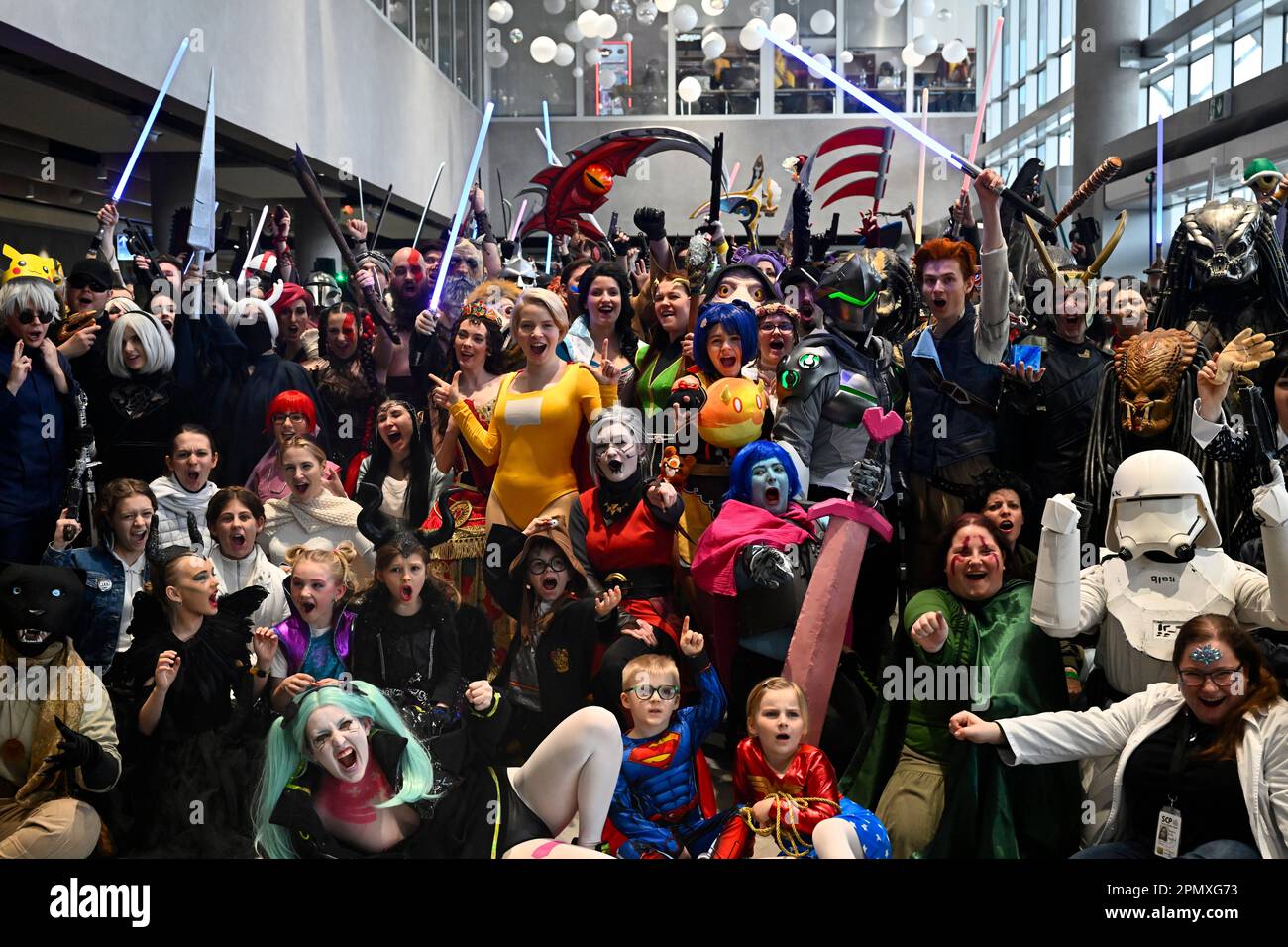
While some organizers maintain that their branding strategies are intended to clarify the scope of their events, critics argue that such moves may lead to confusion among the casual attendee. The challenge for organizers remains the balance between aggressive marketing and the preservation of the trust that is essential for the long-term viability of these cultural events.
Understanding the Market Shift
From an analytical perspective, the current situation in the Czech Republic reflects a broader trend seen across the European event industry. As market saturation increases, organizers are under pressure to distinguish their offerings. This often leads to strategic pivots, such as renaming events or adjusting programming, which can be perceived as either innovative or opportunistic depending on the audience’s perspective.
The industry’s focus remains on providing high-quality experiences, which includes the participation of international figures from film and television. For example, events in the region have successfully hosted globally recognized actors, which serves to bolster the credibility of the conventions and draw significant crowds. The success of these events is often tied to the organizers’ ability to curate a schedule that resonates with the specific interests of their target demographics.
For those interested in following the developments of these events, it is recommended to monitor official press releases and verified social media channels. Transparency in communication from event organizers is generally viewed as the best approach to mitigating public concern and maintaining a positive relationship with the fan community.
As the situation continues to develop, observers are waiting to see how the various event organizers will address the feedback from their constituents. Whether this period of friction leads to a more defined set of industry standards or continued fragmentation remains to be seen. We encourage our readers to share their perspectives on the evolution of these events in the comments below, as we continue to track the impact of these changes on the broader cultural scene.