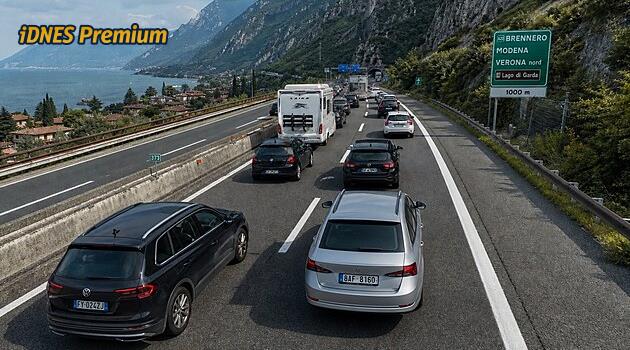
Drivers traveling across European borders face a complex web of national regulations that can result in significant fines for seemingly minor infractions. These “traps” include failing to carry required corrective eyewear, entering restricted Low Emission Zones (LEZ) without proper permits, and violating specific highway exit protocols or toll requirements.
While the European Union works toward the standardization of driving licenses, road rules, environmental zones, and toll systems remain largely under national jurisdiction. This lack of uniformity means that a legal maneuver in one country may constitute a punishable offense in another. Travelers often encounter these issues due to outdated maps, a lack of real-time signage, or unfamiliarity with local environmental mandates.
Vision Requirements: The Risk of Missing Corrective Lenses
One of the most frequent but overlooked legal pitfalls involves the requirement for corrective lenses. While a driver’s license may indicate a need for glasses or contact lenses, simply possessing the license is often insufficient for legal compliance during a roadside inspection.
In many European jurisdictions, police officers require drivers to demonstrate that they are actually wearing the prescribed corrective eyewear while operating a vehicle. If a driver’s license contains a code indicating a vision requirement, and the driver is caught without their glasses or contacts, they can face immediate fines. In some countries, this can also lead to points being deducted from a driving record or, in cases of perceived negligence, a temporary suspension of driving privileges.
Legal experts and road safety organizations recommend that drivers carry a spare pair of glasses or contact lenses in the vehicle. This is particularly critical during long-distance travel where fatigue might affect vision, or if the primary pair is lost or damaged. Authorities emphasize that the law mandates the driver to be “fit to drive” at the moment of operation, which includes having the necessary vision correction immediately accessible and functional.
Urban Restrictions: Navigating Low Emission Zones (LEZ)
As European cities move toward stricter environmental standards, Low Emission Zones (LEZ) have become a primary source of unexpected fines for international travelers. These zones restrict or charge certain vehicles for entering specific urban areas to reduce air pollution.
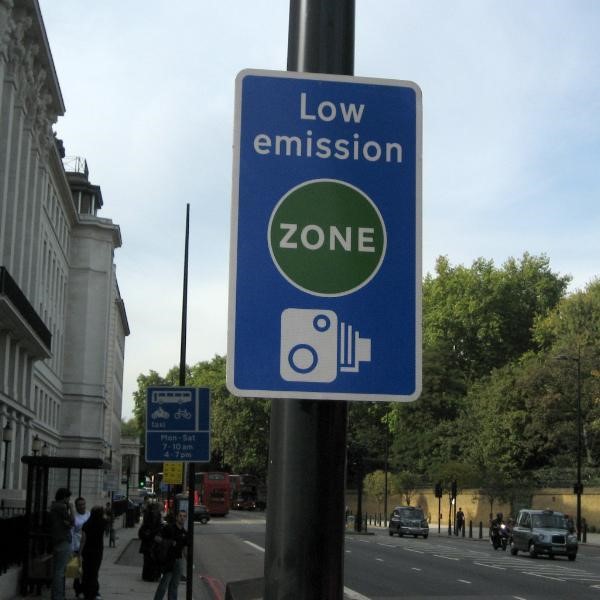
The rules for these zones vary significantly by city and country. For example, London’s Ultra Low Emission Zone (ULEZ) requires drivers of most vehicles to pay a daily charge unless their vehicle meets specific emissions standards. Failure to pay can lead to automated fines sent via camera enforcement. Similarly, many French cities utilize the “Crit’Air” sticker system, which categorizes vehicles by their emission levels. Driving a vehicle into a restricted zone without the appropriate sticker can result in immediate penalties from local law enforcement.
In Germany, cities such as Berlin and Hamburg have implemented environmental zones that require a specific “Feinstaubplakette” (fine dust sticker) displayed on the windshield. Drivers entering these zones without the sticker—even if their vehicle is modern and relatively clean—are subject to fines. To avoid these costs, travelers must check the specific requirements of their destination city well in advance of their arrival. Official government portals for each municipality typically provide the necessary registration processes and fee structures.
Toll Compliance: Vignettes and Electronic Systems
The method for paying highway tolls is not uniform across the continent, creating a high risk for drivers who rely on traditional toll booths. European countries generally use one of three systems: manual toll booths, electronic toll collection (ETC), or vignette-based systems.
The vignette system, used in countries such as Austria, Switzerland, Slovenia, and the Czech Republic, requires motorists to purchase a permit—either a physical sticker or a digital registration—before using the motorway network. In Austria, for instance, drivers can purchase a digital vignette online, but travelers must be aware of the “waiting period” that applies to some digital versions to prevent immediate use without payment. Using the motorway without a valid vignette is a strictly enforced offense, often resulting in heavy on-the-spot fines.
In contrast, countries like France and Italy rely heavily on toll booths located at specific intervals along the motorway. While these are easier to identify, travelers must ensure they have compatible payment methods, such as credit cards or local electronic tags, as some older booths may not accept international cards or may have limited change-making capabilities. Failure to stop at a toll or attempting to bypass a toll via unauthorized exits can lead to criminal charges in certain jurisdictions.
Highway Conduct and Exit Restrictions
Motorway regulations often include strict rules regarding how and where a driver may exit a highway. In some jurisdictions, there are specific restrictions on using certain exits to prevent local traffic from overwhelming high-speed motorways or to ensure the integrity of toll-controlled segments.
Law enforcement in several European countries monitors for “illegal exits,” where drivers attempt to exit a motorway prematurely to avoid a toll station or to take a shortcut through residential or local roads that are not intended for high-volume transit. These maneuvers are often caught by automated camera systems or highway patrol. Penalties for these actions can include significant fines and may be categorized as reckless driving depending on the local legal framework.
Furthermore, lane discipline and overtaking laws vary. In Germany, the “Rechtsfahrgebot” (keep right rule) is strictly enforced on the Autobahn, meaning drivers must stay in the rightmost lane unless overtaking. Persistent driving in the left lane without the intent to pass is a common cause for police intervention and fines.
Alcohol and Safety: A Patchwork of Legal Limits
Alcohol limits for driving are among the most inconsistent regulations across Europe. While many countries follow a standard limit, others maintain much stricter thresholds, particularly for novice drivers or those under a certain age.

The following table provides a comparison of common alcohol limits found in several major European driving destinations. Note that these limits are general guidelines and can change based on specific local laws or individual circumstances such as being a probationary driver.
| Country | Standard Limit (BAC) | Notes |
|---|---|---|
| Germany | 0.5 g/l | 0.0 g/l for drivers under 21 or in training |
| France | 0.5 g/l | Strictly enforced; 0.0 g/l for novice drivers |
| Austria | 0.5 g/l | Stricter penalties for higher levels |
| United Kingdom | 0.8 $mu$g/l (breath) | Measured via breathalyzer; very low tolerance |
| Slovenia | 0.0 g/l | Zero tolerance policy for all drivers |
Because “zero tolerance” policies exist in several European nations, travelers cannot assume that a moderate amount of alcohol is legally permissible. Authorities recommend a zero-alcohol approach to avoid the legal and financial consequences of crossing a threshold that may be lower than expected.
Key Summary for International Drivers
- Vision: Always carry your corrective lenses or contact solution, even if your license indicates you are authorized to drive.
- City Access: Check for Low Emission Zone (LEZ) requirements and purchase necessary stickers (e.g., Crit’Air, ULEZ) before entering urban centers.
- Tolls: Verify whether your destination requires a physical vignette, a digital vignette, or electronic tolling.
- Alcohol: Assume a zero-tolerance policy in many jurisdictions to avoid significant legal risk.
- Compliance: Follow all highway exit and lane discipline rules to avoid automated fines and police intervention.
Travelers are advised to consult official government transportation websites for each country they intend to enter. These sources provide the most current information on tolling, environmental zones, and safety regulations.
For more updates on international travel regulations and global safety advisories, please follow World Today Journal and share this article with fellow travelers.
Related reading