Households across the Czech Republic face mounting pressure on their utility bills as the government weighs the implementation of a new energy-related fee. The potential charge has triggered widespread public debate and political finger-pointing, with critics questioning whether past political decisions or current fiscal policies are driving the extra costs. As energy markets stabilize following years of historic volatility, consumers and businesses are closely monitoring whether mandatory state fees will once again inflate monthly electricity and gas statements.
The discussion surrounding the prospective levy touches on broader concerns regarding state budget obligations and renewable energy support mechanisms. According to reports from domestic media outlets, government officials are evaluating various funding structures to cover grid maintenance and green transition targets. While policy architects argue that dedicated fees are necessary to modernize aging infrastructure, consumer advocates warn that any additional financial burden directly impacts households already recovering from recent inflationary spikes.
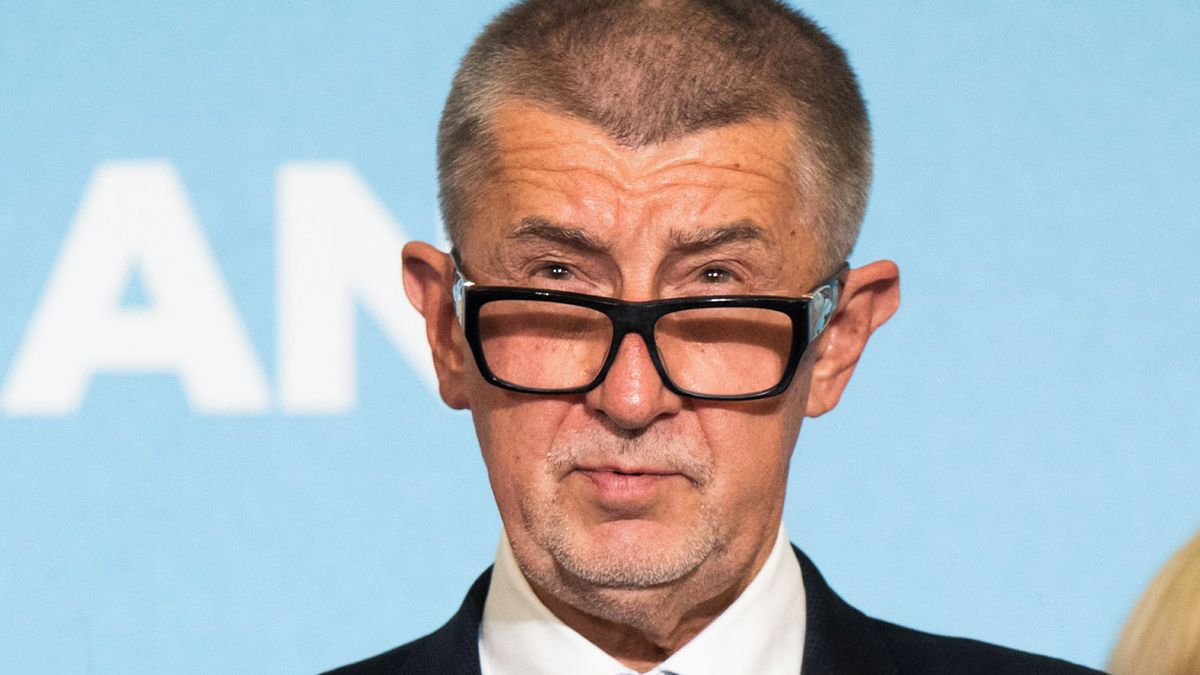
At the center of the political discourse are familiar accusations between current coalition members and opposition figures led by former Prime Minister Andrej Babiš. Opposition representatives have criticized the ruling parties for introducing measures that resemble hidden taxes on basic utilities. Meanwhile, government defenders maintain that financial adjustments are unavoidable to meet European energy directives and ensure long-term grid reliability.
Understanding the Mechanics of State Energy Levies
Energy levies in the Czech Republic typically fund specific public policy goals, such as subsidies for renewable energy sources, combined heat and power production, and transmission system operations. Historically, these costs have been split between the state budget and end consumers through regulated components of electricity and gas prices. Changes to how these subsidies are financed often result in noticeable shifts on consumer invoices.
Industry analysts point out that state support for photovoltaic and wind projects has required substantial public funding over the past decade. When the state treasury faces deficits, policymakers frequently look to reallocate these costs directly onto utility bills or restructure existing fees. This approach protects central budget balances but immediately impacts residential and industrial consumers.
Consumer protection organizations have repeatedly urged transparency regarding how energy fees are calculated and collected. Without clear itemization on monthly bills, consumers struggle to differentiate between market commodity prices, distribution network tariffs, and government-mandated surcharges. The debate over the new fee highlights a persistent tension between state policy goals and the cost of living for everyday citizens.
Political Fallout and Accountability
The political dimensions of the proposed fee have intensified as parties position themselves ahead of upcoming electoral cycles. Opposition politicians have seized upon the issue to challenge the government’s economic competence, arguing that rising household expenses stem from poor fiscal management and unnecessary regulatory burdens. Babiš and his political allies have framed the prospective charge as another example of state overreach that punishes ordinary taxpayers.
In response, administration officials emphasize that legacy obligations inherited from previous governments continue to strain public finances. They argue that neglecting grid investments or failing to secure stable funding for renewable transition initiatives would create severe risks for national energy security. According to government statements, any adjustments to the fee structure will undergo rigorous review before official implementation.
The back-and-forth reflects a familiar dynamic in Czech energy policy, where long-term infrastructural needs frequently collide with short-term political sensitivities. As debates continue within parliamentary committees and ministry offices, the final shape of the fee remains subject to ongoing legislative negotiation.
Next Steps for Consumers and Regulators
The regulatory framework governing Czech energy prices is overseen by the Energy Regulatory Office (ERU), which sets annual price caps and distribution tariffs. Any official introduction of a new state fee must clear regulatory scrutiny and be formally published in the collection of laws before taking effect. Consumers are advised to monitor official announcements from the ERU and energy suppliers for verified updates regarding upcoming tariff adjustments.
Stakeholders from industrial sectors and consumer groups are expected to submit formal comments during upcoming legislative review periods. These consultations provide an opportunity for affected parties to voice concerns over the cumulative impact of state-mandated energy costs. Official timelines released by the Ministry of Industry and Trade indicate that further details regarding the fee structure will be clarified in the coming months as budgetary planning for the next fiscal year proceeds.
What are your thoughts on the proposed energy fees and their impact on household budgets? Join the conversation below and share this article to keep others informed.
Related reading