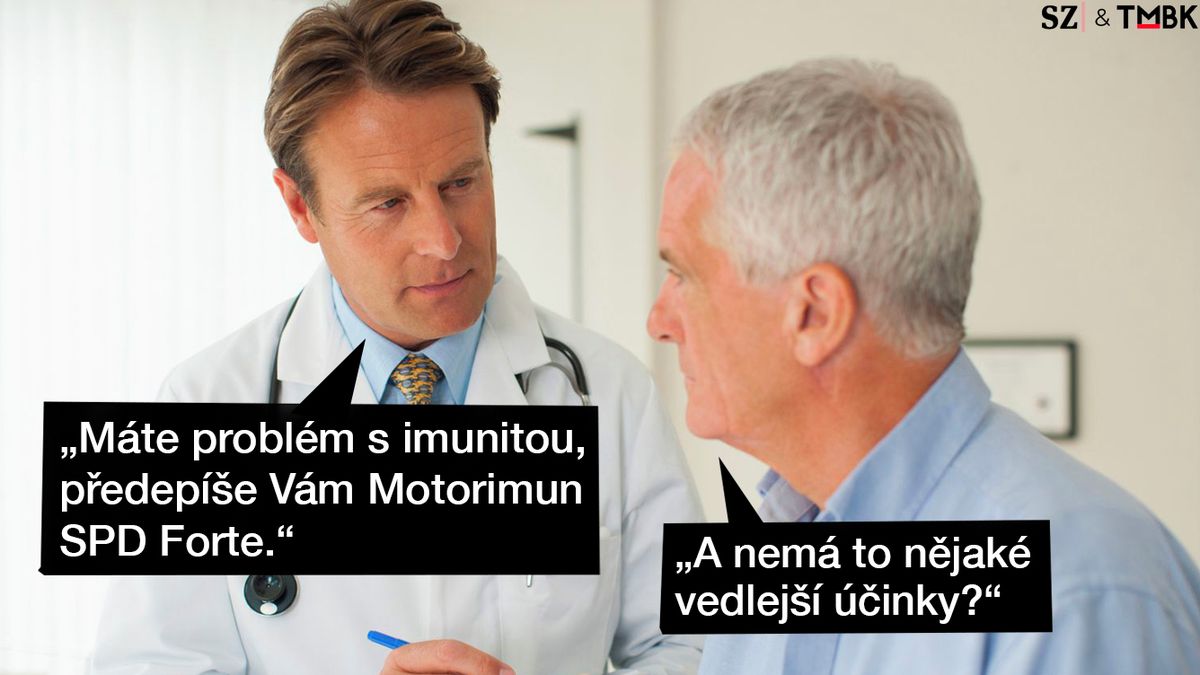
Prague – Political maneuvering is intensifying in the Czech Republic following recent parliamentary elections, with concerns mounting over the potential formation of a government reliant on the support of the SPD (Freedom and Direct Democracy) and Motorist parties. Experts are warning that such a coalition could lead to instability and a shift towards more radical policies. The situation presents a significant challenge for ANO leader Andrej Babiš, who initially envisioned a single-party government.
The October 6th elections saw ANO emerge as the largest party, securing 34.5% of the vote and 80 seats in the Chamber of Deputies. However, falling short of a majority, Babiš now faces the prospect of negotiating with smaller parties to secure a governing coalition. Both SPD and Motorist parties have publicly stated their intention to demand ministerial positions in exchange for their support, effectively rejecting the idea of a “silent” or passive backing of an ANO-led government. This demand complicates Babiš’s initial plan for a streamlined, single-party administration.
Demands for Ministerial Posts Complicate Government Formation
Boris Šťastný, a leading figure for the Motorist party, emphasized their desire for direct involvement in the government. “Any tacit support is completely out of the question. We want to be part of the next government, ” Šťastný stated, as reported by Seznam Zpravy. Zuzana Majerová, representing the Trikolora party on the SPD’s candidate list, echoed this sentiment, questioning the value of providing support without holding ministerial portfolios and the ability to directly influence policy. “What’s the point of silent support when you’re not sitting in the government, you can’t participate in its program, you’re not visible, and you just silently nod in exchange for nothing?” she asked.
Initially, Andrej Babiš appeared confident that his party’s strong electoral performance would allow him to dictate the terms of the new government. He had reportedly hoped to form a government composed solely of ANO members, with SPD and Motorist parties offering parliamentary tolerance. However, the firm stance taken by both parties has forced him to reconsider his strategy. The situation highlights the challenges of coalition building in a fragmented political landscape.
Concerns Over Potential Policy Shifts and Political Instability
Experts are voicing concerns about the potential consequences of including SPD and Motorist parties in the government. The SPD, led by Tomio Okamura, is known for its anti-immigration stance and Eurosceptic views. Motorist, a relatively new party, focuses primarily on issues related to motoring and transportation, but its political positions are often considered populist. A coalition involving these parties could lead to a shift in government policy towards more nationalistic and protectionist measures.
The potential for political instability is as well a significant concern. The demands for ministerial positions, coupled with the differing ideologies of the parties involved, could lead to frequent disagreements and internal conflicts within the government. This could hinder its ability to effectively address pressing issues facing the Czech Republic. The recent parliamentary elections saw the SPD receive a significant number of votes, indicating a growing support base for its policies.
Recent Electoral Penalties for SPD, Motorist, and ODS
Adding another layer of complexity to the political landscape, three parliamentary parties – SPD, Motorist, and ODS (Civic Democratic Party) – along with the non-parliamentary Volte Pravý Blok (Vote Right Block) party, have recently been issued fines for irregularities during the electoral campaign. According to a report by Seznam Zpravy, the largest fine, amounting to 35,000 Czech crowns, was levied against the SPD. The penalty stemmed from the party’s failure to ensure that promotional materials clearly identified the sponsor and processor of the campaign content.
Motorist received a fine of 25,000 crowns for utilizing communication channels controlled by local authorities during their campaign. ODS was fined 20,000 crowns for similar violations regarding the disclosure of campaign sponsors. Volte Pravý Blok faced a 10,000 crown penalty for failing to comply with financial reporting requirements. These penalties underscore the importance of transparency and adherence to electoral regulations in the Czech Republic.
SPD’s Financial Transparency Concerns
The fines come as the Oversight Authority has revealed that only half of the 26 parties that submitted candidate lists have fully disclosed their sponsors on their websites. Failure to do so could result in further administrative proceedings and fines ranging from 20,000 to 300,000 crowns. All parties currently represented in the Chamber of Deputies have reportedly complied with the disclosure requirements. The Oversight Authority will conduct a more detailed review of party finances in reports due in early January 2026, 90 days after the official election results were announced.
The Road Ahead: Negotiations and Potential Scenarios
As negotiations continue, several scenarios are possible. Babiš could attempt to appease SPD and Motorist by offering them key ministerial positions, potentially compromising on some of his initial policy goals. Alternatively, he could seek to form a minority government relying on ad-hoc support from other parties, a strategy that would likely be unstable and prone to collapse. A third possibility is that negotiations fail altogether, leading to a new election.
The outcome of these negotiations will have significant implications for the future of the Czech Republic. The potential inclusion of SPD and Motorist parties in the government raises concerns about the country’s commitment to European integration, its stance on immigration, and its overall political stability. The coming weeks will be crucial in determining the direction of Czech politics.
The next key development is expected to be the announcement of the initial government formation talks schedule, anticipated by the conclude of February 2026. Readers can stay updated on the evolving political situation through official government announcements and reports from reputable news sources.
What are your thoughts on the potential government formation in the Czech Republic? Share your opinions and insights in the comments below.
Keep reading