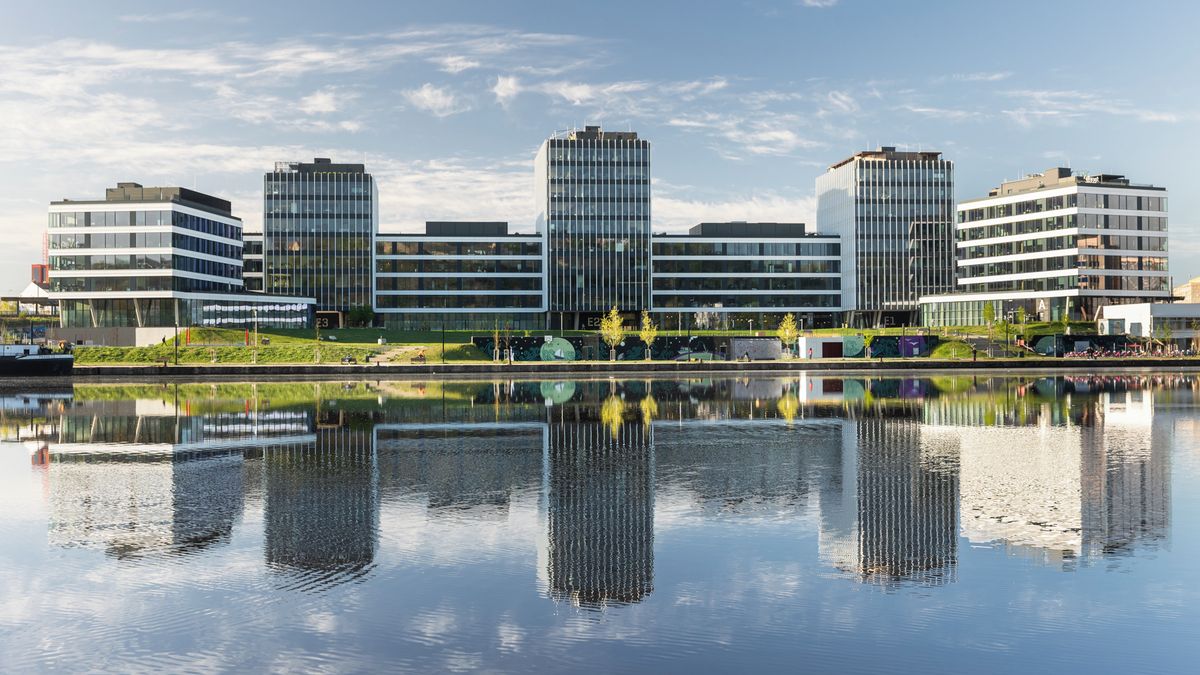
Institutional investors poured tens of billions of Czech crowns into the domestic real estate market, steering capital heavily toward rental housing complexes and modern office buildings. According to recent market analyses, resilient demand for leased residential units and prime commercial spaces continues to anchor investor confidence despite broader macroeconomic shifts across Central Europe.
This capital influx reflects a structural pivot within the Czech property sector, where portfolio managers increasingly favor income-generating assets capable of hedging against inflation. Market trackers note that while residential development loans face tighter credit conditions, stabilized rental assets and sustainable administrative hubs maintain robust liquidity.
The concentration of capital in residential rental portfolios stems from persistent housing affordability gaps in major urban centers like Prague and Brno. High mortgage interest rates have kept a substantial share of prospective homebuyers in the rental market, driving occupancy rates higher and sustaining steady rental yield expectations for institutional landlords.
Office Sector Resurgence and Prime Valuations
Commercial real estate is experiencing a selective rebound, with prime office properties in established business districts capturing the lion’s share of institutional capital. Investors are prioritizing energy-efficient buildings that meet stringent environmental, social, and governance standards, as corporate tenants increasingly demand modern, sustainable workspaces to satisfy their own internal carbon-reduction targets.
Asset managers point out that older, secondary-grade office stock faces rising capital expenditure requirements to remain competitive, creating a widening performance gap between premium developments and outdated properties. Prime yields have adjusted upward over recent quarters, offering more attractive entry points for well-capitalized funds seeking long-term yield stability.
Transaction volumes indicate that foreign institutional funds remain active participants alongside domestic private equity players. These buyers are structuring complex portfolio acquisitions, often targeting mixed-use developments that combine office, retail, and residential functions to diversify operational risk.
Market Outlook and Investor Strategy
Financial analysts monitoring the Czech property market suggest that transaction activity will remain selective through the upcoming quarters as participants navigate ongoing financing costs and construction pricing adjustments. Capital deployment is expected to concentrate further on assets with high occupancy levels and creditworthy tenant rosters.
Regulatory frameworks and evolving European Union energy performance directives will continue to shape acquisition strategies, placing a premium on retrofitting potential and verifiable sustainability metrics. Investors are closely evaluating upcoming municipal zoning updates in Prague to identify emerging opportunities for transit-oriented development.
Market observers recommend tracking official quarterly data releases from real estate advisory firms and regulatory bodies for definitive figures on sector-specific transaction volumes. Stakeholders seeking detailed portfolio disclosures can review corporate filings and investor relations updates published by major Central European property funds.
What are your thoughts on current trends in the Czech real estate market? Share this article or leave a comment below to join the discussion.