
New research indicates that even brief, high-intensity physical activity—as little as four minutes daily—can significantly improve health outcomes and metabolic markers in older adults. This finding highlights the potential for “micro-workouts” to serve as a practical, time-efficient intervention for improving cardiorespiratory fitness and reducing sedentary time in aging populations.
The study, published in the peer-reviewed journal PLOS ONE, examined the physiological impacts of Very Short bouts of Vigorous Physical Activity (VILPA) among middle-aged and older adults. Researchers found that integrating short bursts of intense movement into daily routines—such as brisk walking or climbing stairs—can enhance heart health and glucose regulation, providing a scalable solution for individuals who struggle to meet traditional exercise guidelines of 150 minutes of moderate activity per week, as recommended by the World Health Organization.
The Physiology of Micro-Workouts
The concept of VILPA focuses on “lifestyle-based” activity rather than structured gym exercise. According to findings from the University of Sydney, these brief, intense efforts trigger metabolic adaptations similar to those achieved through longer, continuous sessions. By raising the heart rate for short durations, the body improves its oxygen utilization and insulin sensitivity, which are critical factors in preventing chronic conditions like Type 2 diabetes and cardiovascular disease.
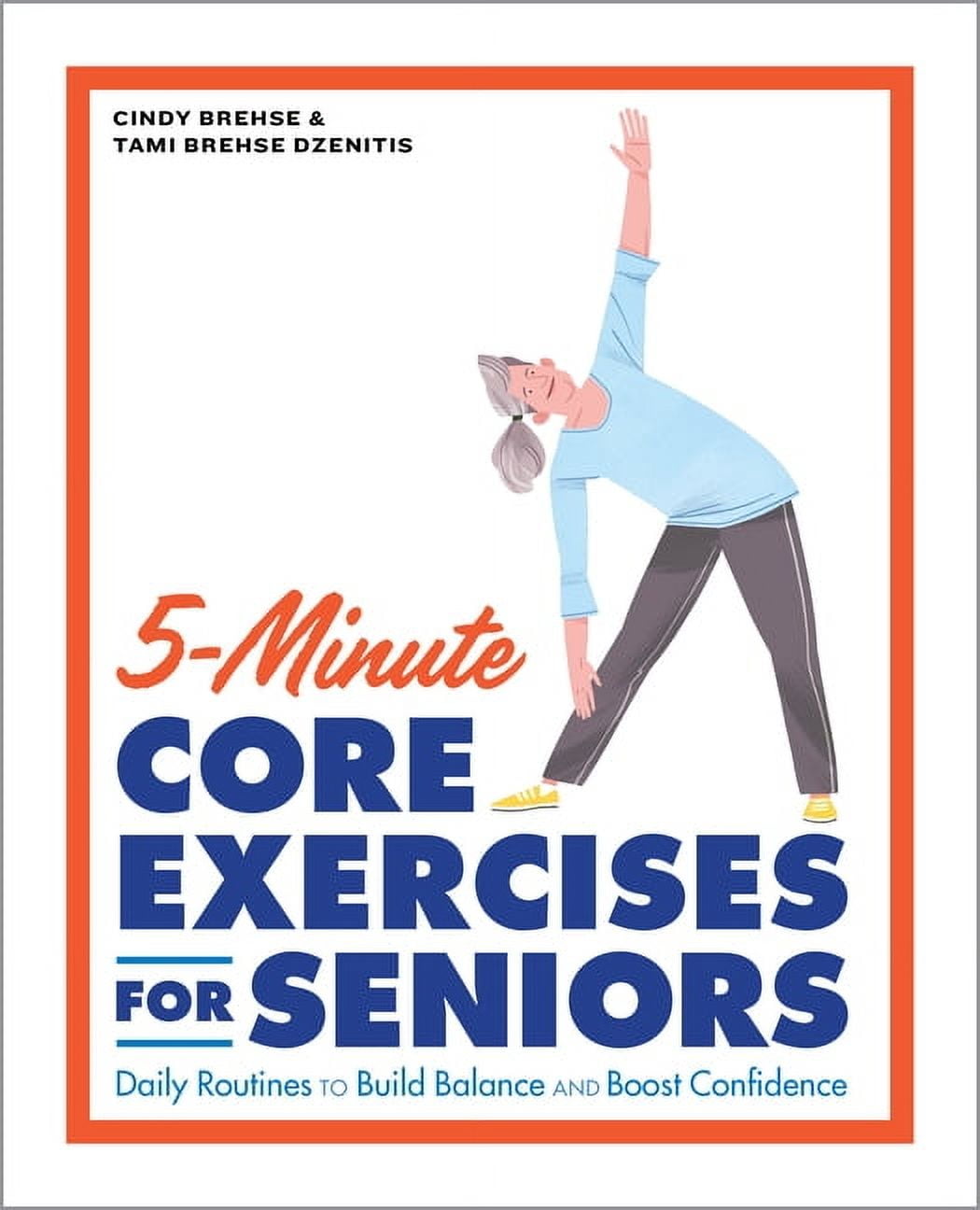
For older adults, the barrier to exercise is often a lack of time or perceived physical limitations. However, by breaking down activity into segments as small as one to two minutes, participants can accumulate the necessary intensity without the fatigue associated with prolonged sessions. This approach aligns with recent trends in exercise physiology that emphasize the “total volume” of intensity over the duration of a single, uninterrupted workout.
Cardiovascular Benefits and Aging
Cardiovascular health remains a primary concern in geriatric medicine. Data from the American Heart Association consistently shows that maintaining a high level of cardiorespiratory fitness is one of the strongest predictors of longevity. The recent research suggests that even small increases in daily intensity can shift an individual from a “low” fitness category to a “moderate” one, which is associated with a lower risk of all-cause mortality.

These bursts of activity do not require specialized equipment or significant lifestyle changes. Instead, the focus is on increasing the intensity of existing daily tasks. Climbing a flight of stairs at a pace that makes it difficult to hold a conversation, or walking rapidly to catch a bus, qualifies as the type of vigorous movement necessary to trigger these physiological benefits.
Practical Application for Daily Life
Integrating four minutes of vigorous activity into a daily schedule requires minimal planning. Physicians often suggest the following strategies for patients looking to adopt this approach:
- Intentional Intensity: Increase the speed of walking during daily errands for 60-second intervals.
- Stair Utilization: Choose stairs over elevators, focusing on a brisk pace to elevate the heart rate.
- Household Tasks: Incorporate high-intensity movement into chores, such as vacuuming or gardening with increased vigor.
- Consistency: Aim for multiple short bursts throughout the day to ensure the total daily accumulation reaches the four-minute threshold.
While these findings are promising, medical professionals emphasize that individuals with pre-existing heart conditions or mobility issues should consult with their primary care physician before beginning any new exercise regimen. The Centers for Disease Control and Prevention (CDC) advises that any physical activity is better than none, and starting slowly remains the safest path for older adults who have been previously sedentary.
Future Research and Public Health Policy
As the global population ages, public health policies are shifting toward interventions that are easy to implement and maintain. The success of micro-workouts suggests that health communication should focus on “movement snacks” rather than strictly defined gym-based exercise. Future studies are expected to explore how these short bursts of activity impact cognitive health and long-term joint stability in patients over the age of 70.
The next phase of investigation will likely involve large-scale clinical trials to determine the optimal frequency of these bouts—whether they should be performed all at once or spread throughout the day. For now, the evidence supports the integration of short, intense efforts as a viable, low-barrier strategy for improving the health span of aging populations. Readers are encouraged to discuss these findings with their healthcare providers during their next check-up to determine how to safely incorporate increased intensity into their current physical activity plans.
Related reading