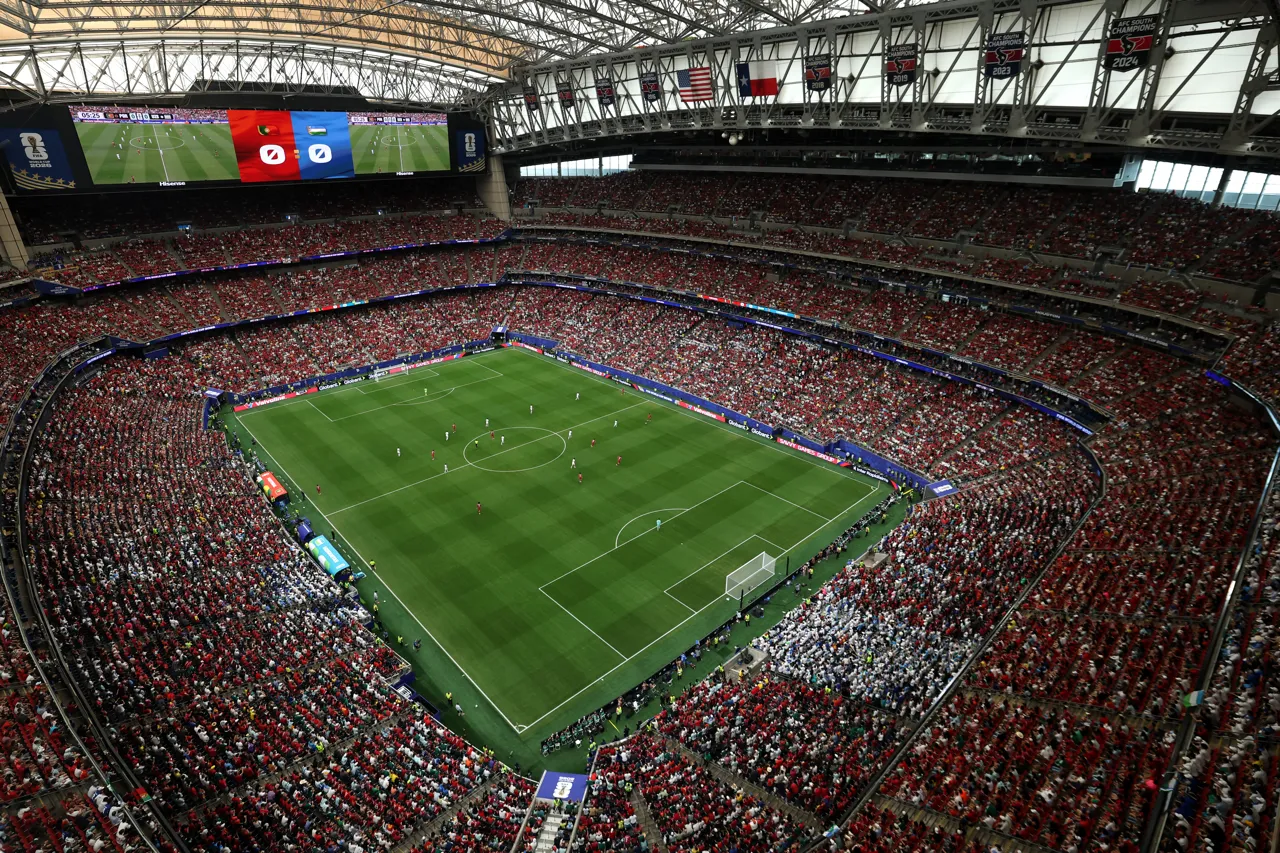
The 2026 FIFA World Cup has reached its second round of group-stage fixtures, with official data indicating a near-capacity attendance rate of 99.78% across tournament venues. This figure represents a slight increase in stadium occupancy compared to the opening round of matches, as host cities across the United States, Canada, and Mexico continue to see high demand for tickets. FIFA officials have confirmed that the tournament, which features an expanded field of 48 teams, is trending toward record-breaking cumulative attendance numbers.
As the Sports Editor for World Today Journal, I have followed the logistics of this tournament closely. The massive scale of the 2026 expansion has brought unique challenges in venue management, yet the operational efficiency in moving large volumes of spectators into stadiums remains a key focus for the local organizing committees. According to official FIFA tournament reports, the logistical framework is designed to maximize venue utilization while ensuring security and fan accessibility across all 16 host cities.
Stadium Occupancy and Attendance Trends
The reported 99.78% occupancy rate highlights the significant appetite for global football in North American markets. This trend is particularly evident in high-capacity venues such as AT&T Stadium in Arlington, Texas, which has hosted several marquee matchups. The ability to maintain such high density reflects a combination of aggressive ticket distribution strategies and the broad geographical appeal of the participating nations.
For context, the 2026 World Cup format introduces 104 matches, a significant increase from the 64 games held in previous editions. Maintaining near-total stadium capacity across this volume of fixtures is a primary indicator of financial performance for the tournament organizers. While the first round of matches set a baseline, the slight uptick in the second round suggests that as group-stage scenarios become more competitive, interest from local and traveling fanbases is intensifying.
Logistical Challenges of the 48-Team Format
Expanding the tournament to 48 teams has required FIFA to coordinate operations across three distinct countries. This involves navigating different regulatory environments, transport infrastructures, and local labor laws. The U.S. Department of Justice and various local authorities have been involved in the massive security and logistical planning required to manage these crowds, ensuring that the high occupancy rates do not compromise public safety or stadium ingress and egress times.
The integration of transit systems in cities like New York/New Jersey, Los Angeles, and Mexico City remains a critical variable. According to local transit authorities, the reliance on mass-transit infrastructure is higher than in previous World Cups, where car-centric travel was more common. The success of the tournament, from an operational standpoint, is currently measured by how effectively these systems handle the influx of fans on match days.
What Happens Next in the Tournament
As the tournament progresses, the focus will shift toward the knockout stages, where ticket demand is expected to spike further. FIFA has announced that the final ticket sales phases will continue as teams qualify for the Round of 32. Fans are advised to monitor the official FIFA ticketing portal for authentic updates and to avoid unauthorized secondary markets.
The next major checkpoint for the tournament organizers will be the conclusion of the group stage, which will provide a clearer picture of the final attendance statistics for the first half of the event. We will continue to provide updates as these figures are verified by tournament officials and independent auditing bodies. Please share your thoughts on the tournament’s organization and your match-day experiences in the comments section below.
Keep reading