
Few athletes embody the spirit of versatility, resilience, and poise quite like Dame Denise Lewis. For a global audience, the heptathlon represents the ultimate test of athletic endurance—a grueling seven-event odyssey that demands mastery of sprint, jump, throw, and distance. In the pantheon of British athletics, Lewis stands as a definitive figure, not only for the gold she won but for the grace with which she navigated the immense pressures of elite competition.
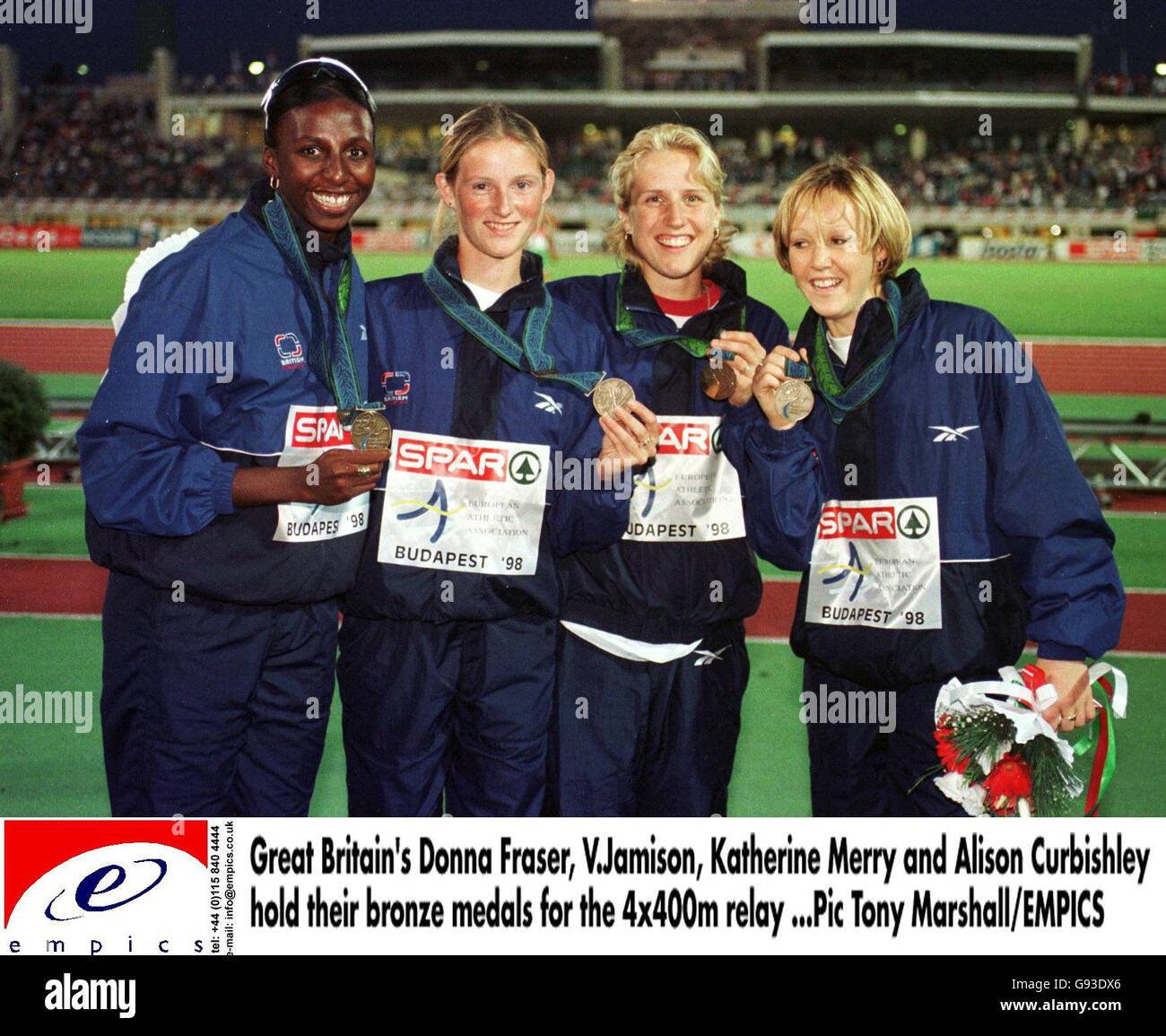
The enduring legacy of Dame Denise Lewis athletics career is often distilled into a single, shimmering moment: the 2000 Sydney Olympics. Yet, as recently highlighted in a reflective conversation with fellow athletics legends Katharine Merry and Allison Curbishley, her journey extends far beyond a single podium. From the tactical precision required in the heptathlon to her role in bringing the Commonwealth Games back to Birmingham, Lewis has transitioned from a competitor to a custodian of the sport.
For those following the evolution of women’s sports, Lewis represents a bridge between the amateur era and the modern professional landscape. Her ability to maintain a high public profile while transitioning into sports broadcasting and mentorship provides a blueprint for athletes navigating the “life after” phase of their careers. Her story is not just one of physical triumph, but of strategic mental fortitude and the ability to redefine one’s identity after the cheering stops.
The Pinnacle of Sydney 2000: A Masterclass in Pressure
The 2000 Sydney Olympics served as the definitive chapter of Denise Lewis’s competitive life. The heptathlon is a discipline that punishes a single mistake; a failed height in the high jump or a foul in the shot put can erase days of hard work. Entering Sydney, Lewis carried the weight of national expectation, having already established herself as a world-class multi-event athlete.
The gold medal victory in Sydney was not merely a result of physical prowess but of psychological endurance. The heptathlon consists of seven events held over two days: the 100-meter hurdles, high jump, shot put, and 200-meter sprint on day one, followed by the long jump, javelin, and the grueling 800-meter run on day two. To win gold, an athlete must be a “jack of all trades” and a master of several. Lewis’s victory is recorded in the official annals of the International Olympic Committee, marking her as one of the most successful multi-event athletes in British history.
The final event—the 800 meters—is often where the heptathlon is won or lost. We see a test of raw willpower, as athletes who have spent two days sprinting and jumping must find the aerobic capacity to maintain their lead. Lewis’s ability to hold her nerve under the gaze of a global audience in Sydney solidified her status as a “heroine” of the track and field world, a title she still carries today.
The Complexity of the Heptathlon
To understand why Denise Lewis’s achievements are so revered, one must understand the sheer complexity of the heptathlon. Unlike specialists who focus on a single movement, a heptathlete must train their body to be explosive for the hurdles, flexible for the high jump, powerful for the shot put and javelin, and enduring for the 800 meters.
This versatility requires a unique approach to sports science and recovery. The mental shift required to move from the explosive energy of a 200-meter sprint to the technical precision of the long jump within a matter of hours is immense. Lewis often spoke of the “mental chess” involved in these competitions—knowing when to push for a personal best and when to play it safe to protect a points lead.
Her success in this discipline paved the way for future generations of British multi-eventers. By demonstrating that a British athlete could dominate on the world stage in the heptathlon, she inspired a shift in how the sport was coached and funded in the United Kingdom, emphasizing the importance of holistic athletic development over narrow specialization.
From the Track to Birmingham: A Legacy of Leadership
The transition from athlete to ambassador is a challenging one, but Lewis has navigated it with the same precision she applied to the javelin. Her involvement with the Commonwealth Games in Birmingham showcased her commitment to the growth of the sport at a grassroots level. Bringing a major international sporting event to a city like Birmingham is about more than just the medals; it is about creating a “legacy” of participation for young people.
In her roles surrounding the Birmingham games, Lewis has focused on the visibility of women in athletics. By serving as a mentor and a public face for the event, she helped bridge the gap between the elite professional world and the aspiring amateur. Her presence ensured that the games were not just a series of contests, but a celebration of athletic achievement that resonated with the local community.
her transition into sports broadcasting has allowed her to bring the technical nuances of the heptathlon to a wider audience. By analyzing the performances of current athletes, she provides a level of insight that only someone who has stood on the Olympic podium can offer. This expertise helps viewers appreciate the marginal gains and the immense psychological toll of multi-event competition.
Navigating “Life After” Global Success
One of the most poignant aspects of Lewis’s recent reflections is the discussion of how her life changed following her global success. For many elite athletes, the end of a competitive career can lead to a crisis of identity. When your entire existence has been defined by training schedules, caloric intake, and podium finishes, the sudden absence of that structure can be jarring.
Lewis has been candid about the challenges of this transition. The “global success” that brings fame and accolades also brings a level of scrutiny that can be overwhelming. Moving from the singular focus of an Olympic gold medal to a multifaceted career in media, public speaking, and philanthropy requires a fundamental reimagining of one’s purpose.
Her journey suggests that the key to a successful post-athletic life is the diversification of interests. Rather than clinging to her identity as “the athlete,” Lewis expanded her portfolio to become a communicator and a leader. This evolution allows her to remain connected to the world of sports while avoiding the stagnation that often affects former champions.
Key Milestones in the Career of Dame Denise Lewis
| Period/Event | Achievement/Role | Significance |
|---|---|---|
| 2000 Sydney Olympics | Gold Medal (Heptathlon) | Peak competitive achievement; Olympic Champion. |
| Post-Competition | Damehood (DBE) | Recognition of services to athletics and the community. |
| Career Transition | Sports Broadcaster/Commentator | Translating elite experience for global audiences. |
| Birmingham Games | Ambassador/Promoter | Driving grassroots engagement and sporting legacy. |
The Impact of the Damehood and Public Recognition
The title of “Dame” is more than a formal honorific; in the context of British sports, it is a recognition of an athlete’s contribution to the national fabric. Being appointed as a Dame Commander of the Order of the British Empire (DBE) signifies that Lewis’s impact extended beyond the track. It acknowledges her role as a role model and her efforts to promote health, fitness, and excellence among women.

This recognition provides a platform that is far more powerful than a gold medal alone. It allows her to engage with policymakers, sports governing bodies, and educational institutions to advocate for better support systems for athletes. For Lewis, the honor is not a destination but a tool to further the cause of athletic development in the UK and beyond.
Her ability to maintain this status while remaining relatable is a testament to her character. Whether she is discussing the technicalities of a high jump with a professional or inspiring a schoolchild in Birmingham, she carries the prestige of her title without letting it create a barrier between her and the people she aims to inspire.
The Future of British Multi-Event Athletics
As we look toward future Olympic cycles, the influence of Denise Lewis remains evident. The current crop of British heptathletes operates in an environment that she helped build—one where the psychological demands of the sport are recognized and managed with the same rigor as the physical training.
The conversation between Lewis, Katharine Merry, and Allison Curbishley serves as a reminder that athletics is a relay race of influence. The knowledge gained in Sydney 2000 is passed down to the athletes of today. The lessons in resilience, the strategies for managing pressure, and the importance of a structured transition after retirement are all part of the collective wisdom that Lewis contributes to the sport.
For the global sports community, the story of Dame Denise Lewis is a reminder that the true value of an athlete is not measured solely by the medals they collect, but by the doors they open for those who follow. Her journey from a determined competitor to a respected elder stateswoman of sport is a masterclass in how to handle success with humility and purpose.
The next major checkpoint for British athletics will be the continued integration of these veteran insights into the training regimens for the upcoming international championships. As the sport evolves with new technologies and training methods, the foundational mental toughness championed by Lewis remains the gold standard.
Do you think the heptathlon remains the ultimate test of an athlete’s versatility? Share your thoughts in the comments below or share this article with a fellow sports enthusiast.
Keep reading