
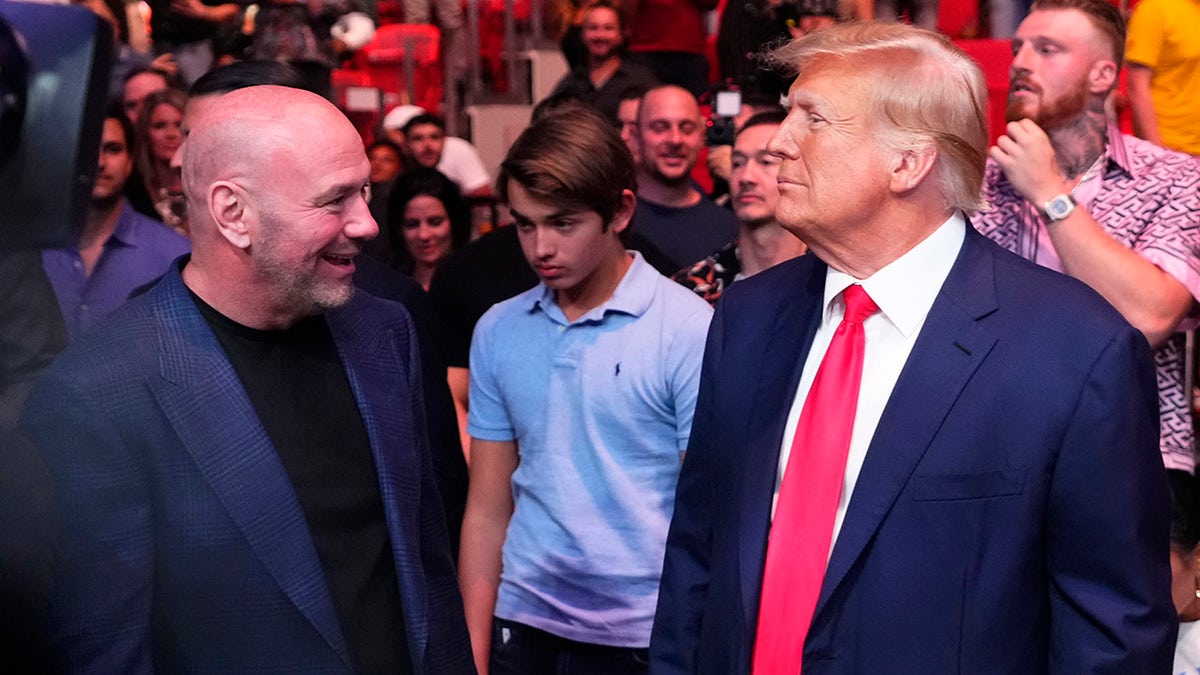
UFC President Dana White has taken a direct and unusual step into the political arena, urging former U.S. President Donald Trump to intervene on behalf of professional gamblers by reversing a controversial tax provision. The move comes as the One Massive Beautiful Bill Act (OBBBA), signed into law in July 2025, reduced the deductible portion of gambling losses from 100% to 90%—a change White argues threatens the financial viability of legal sports betting and could push bettors toward unregulated markets. In a letter addressed to Trump, White framed the issue as one of economic fairness and industry stability, while also highlighting broader concerns about the growth of illegal gambling operations.
White’s intervention underscores the high stakes of the tax policy shift, which has already drawn scrutiny from lawmakers and industry stakeholders. The UFC, one of the world’s most prominent sports betting partners, has long advocated for policies that support legal gambling ecosystems. By enlisting Trump’s influence, White is leveraging the former president’s historical ties to both the betting industry and conservative fiscal policies. The letter’s timing suggests an effort to capitalize on Trump’s ongoing political engagement, though it remains unclear whether his administration—or Congress—will take up the cause.
Beyond the immediate financial impact on professional gamblers, the 90% deduction cap has ripple effects across the sports betting landscape. Operators and bookmakers argue that the reduction disproportionately affects high-volume bettors, who now face higher tax burdens without a corresponding increase in winnings. Meanwhile, critics of the change warn that the policy could inadvertently fuel the black market, where bettors might seek to avoid taxes altogether. White’s letter does not disclose whether the UFC itself has faced financial setbacks due to the new rule, but industry insiders suggest that the organization’s advocacy is part of a broader push to restore pre-2025 tax treatment for gambling losses.
Why the 90% Deduction Cap Matters
The OBBBA’s gambling loss deduction cap is not the first time tax policy has intersected with sports betting. Under prior law, professional gamblers could deduct 100% of their losses against winnings, a provision that had been in place for decades. The shift to 90%—applied retroactively to losses incurred after the bill’s enactment—has sparked debate over whether the change is a targeted revenue measure or an unintended blow to an industry still navigating legalization efforts.
For context, the One Big Beautiful Bill Act (OBBBA), signed by President Trump in July 2025, encompassed sweeping tax and regulatory reforms. While the bill’s primary focus was on corporate and individual tax adjustments, the gambling deduction provision was included as part of broader efforts to curb perceived loopholes. However, industry advocates argue that the 90% cap fails to account for the unique financial realities of professional bettors, who often operate on thin margins.

White’s letter to Trump does not provide specific examples of how the UFC or its athletes have been affected, but the organization’s stance aligns with broader industry concerns. In a statement to Sports Betting Dime, an industry publication, White emphasized the need for a “level playing field” that encourages bettors to engage with regulated platforms rather than turning to illegal alternatives. “This change is going to hurt a lot of people, and it’s going to push more business into the black market,” White reportedly stated, though the exact wording of the letter has not been publicly released.
The Political Angle: Trump’s Role in the Debate
Donald Trump’s involvement in this issue is notable for several reasons. As a former president with a history of engaging with sports betting stakeholders—including during his 2024 campaign—Trump has been a vocal supporter of legalized gambling. His administration’s 2025 tax overhaul included provisions that expanded betting markets, but the deduction cap was framed as a compromise to offset revenue losses. Now, White’s appeal positions Trump as a potential ally in reversing the policy, though the former president’s political priorities remain uncertain.

Trump has not yet responded publicly to White’s request, but his past actions suggest he may be receptive to industry pleas. During his presidency, Trump signed the 2018 Restoring Integrity to Sports Act, which legalized sports betting across the U.S., and has repeatedly praised the economic benefits of legal gambling. Whether he will use his influence to push for a legislative fix—or even a regulatory workaround—remains an open question.
For now, the ball is in Congress’s court. Any reversal of the 90% cap would require legislative action, meaning White’s letter is essentially a call to mobilize political support. The UFC’s involvement adds weight to the argument, given its status as a global brand with deep ties to the betting industry. However, without a clear path to bipartisan agreement, the policy change may stand as a test case for how tax laws interact with the rapidly evolving sports betting sector.
Who Stands to Gain—or Lose?
The gambling loss deduction debate affects multiple stakeholders, each with distinct interests:
- Professional gamblers: High-volume bettors, including athletes and traders, face higher tax liabilities under the 90% cap. For those who operate at a loss, the reduction effectively increases their tax burden without offsetting winnings.
- Sports betting operators: Legal bookmakers argue that the policy shift could discourage bettors from using regulated platforms, driving them toward offshore or black-market alternatives.
- Tax authorities: The U.S. Government stands to gain from the reduced deductions, though critics argue the revenue trade-off may not justify the potential loss of legal betting revenue.
- Illegal gambling markets: Unregulated betting operations may benefit from the policy, as bettors seek to avoid taxes entirely. White’s letter highlights this risk, framing the deduction cap as a potential boon for criminal enterprises.
Beyond these groups, the broader sports betting industry—including leagues like the NFL, NBA, and UFC—has a vested interest in maintaining a healthy legal market. The industry’s rapid growth since the 2018 legalization has created billions in revenue, much of it tied to in-person and online betting. Any policy that undermines consumer confidence or pushes bettors underground could threaten this economic engine.
What Happens Next?
With no immediate legislative action on the horizon, the fate of the 90% gambling loss deduction cap hinges on political momentum. White’s letter to Trump is a strategic move to leverage high-profile support, but the former president’s next steps are unclear. If Trump were to endorse the cause, it could spur congressional hearings or amendments to the OBBBA.

In the absence of a reversal, professional gamblers and operators may need to adapt their financial strategies. Some have already begun exploring tax planning tools to mitigate the impact, while others are lobbying for state-level solutions. For now, the issue remains a high-stakes gamble—one that could reshape the intersection of sports, betting, and tax policy in the U.S.
For readers following this story, key developments to watch include:
- Any public response from Donald Trump or his allies regarding White’s request.
- Potential congressional hearings or bills aimed at revisiting the OBBBA’s gambling provisions.
- Industry reactions from sports leagues, betting operators, and tax advocacy groups.
As the debate unfolds, one thing is clear: the UFC’s intervention signals that the gambling tax issue is far from settled. Whether it leads to policy change or merely underscores the challenges of regulating a booming industry remains to be seen.
Key Takeaways
- The UFC’s Dana White has asked former President Donald Trump to reverse a 2025 tax law capping gambling loss deductions at 90%, down from 100%.
- The change, part of the One Big Beautiful Bill Act (OBBBA), was signed into law in July 2025 and has sparked industry backlash.
- White argues the policy could push bettors toward illegal markets, harming legal sports betting operators and professional gamblers.
- Trump’s response—and any congressional action—will determine whether the deduction cap is reversed or becomes a permanent fixture of U.S. Tax law.
- The issue highlights broader tensions between tax policy, industry regulation, and the growth of legalized gambling in America.
What do you think about the UFC’s involvement in this tax debate? Should professional gamblers receive full deductions, or is the 90% cap a necessary revenue measure? Share your thoughts in the comments below, and don’t forget to follow World Today Journal for updates on this developing story.