
A persistent and expansive heat dome is currently stifling large portions of the United States, bringing dangerous humidity levels that are expected to persist through the July 4 holiday weekend. The atmospheric phenomenon—characterized by a high-pressure system that traps heat like a lid on a pot—is concentrating sweltering conditions across the Midwest and the eastern United States.
Meteorologists report that the system is creating a prolonged period of extreme heat, with high-temperature warnings and heat advisories currently active for millions of residents. As the country approaches Independence Day, officials are urging the public to monitor local forecasts and prioritize heat safety to mitigate the risks of heat-related illnesses.
Understanding the Heat Dome Phenomenon
A heat dome occurs when a strong, high-pressure ridge develops in the upper atmosphere, causing warm air to sink toward the surface. As this air compresses, it warms further, creating a cycle that prevents cooler air from moving into the region. This process effectively “bakes” the trapped air, leading to days or even weeks of stagnant, scorching weather.

For the current event, the high-pressure system has settled over the U.S. and is gradually expanding. This shift is resulting in triple-digit temperatures in the Midwest and Eastern U.S., including Minnesota, where an Extreme Heat Warning was in effect Monday. The combination of high ambient temperatures and elevated humidity levels is particularly concerning, as it significantly reduces the body’s ability to cool itself through perspiration.
Regional Impact and Forecasts
The impact of this heat wave is widespread, affecting diverse climates from the plains of the Midwest to the coastal regions of the East. In areas where temperatures are forecasted to exceed 100 degrees Fahrenheit, local governments have opened cooling centers and adjusted public events to protect vulnerable populations, including the elderly and those without access to air conditioning.
The NWS Heat Safety portal provides specific guidance on recognizing the signs of heat exhaustion and heat stroke, noting that the threat is particularly elevated during the midday and afternoon hours. Residents in the affected corridors are advised to stay hydrated, limit outdoor physical activity, and check on neighbors who may be at higher risk for heat-related complications.
Safety Measures and Public Guidance
As the July 4 holiday approaches, the potential for dangerous heat coincides with increased outdoor activity. Emergency management agencies are emphasizing the importance of planning ahead for celebrations.
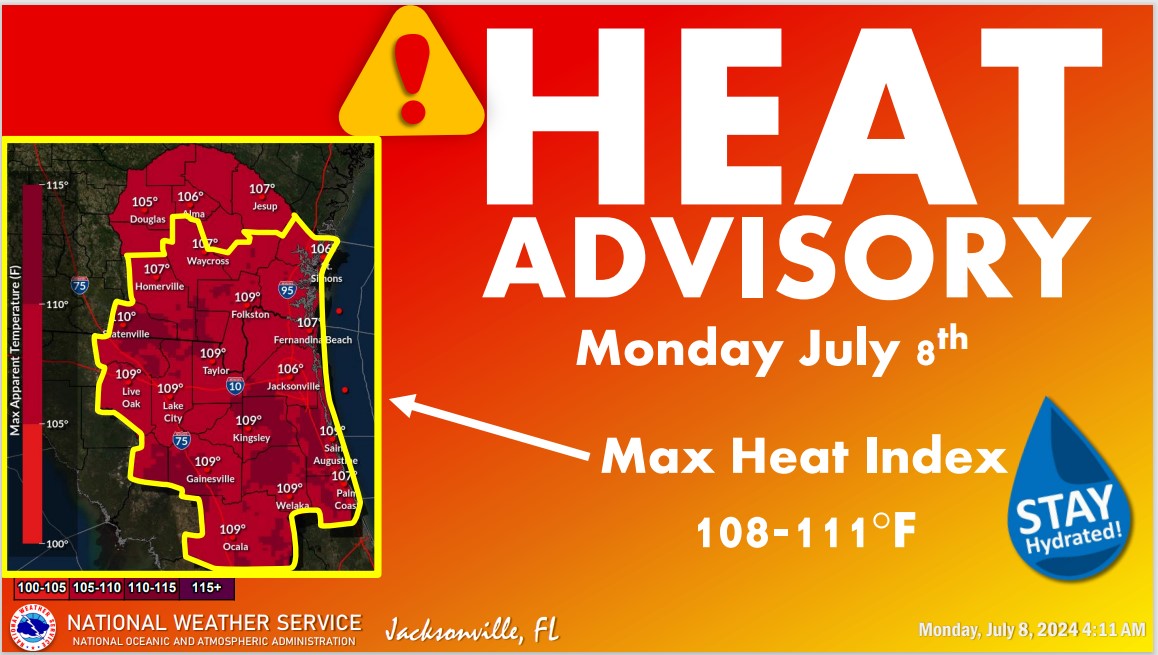
Public health departments recommend the following precautions during this period of extreme heat:
- Stay in air-conditioned buildings whenever possible.
- Avoid strenuous outdoor activities during the peak heat hours of 10 a.m. to 6 p.m.
- Wear lightweight, light-colored clothing and use sunscreen.
- Never leave children, pets, or individuals with mobility issues in parked vehicles, as internal temperatures can reach lethal levels within minutes.
- Drink plenty of water even if you do not feel thirsty.
What Happens Next
Forecasters anticipate that the heat dome will maintain its grip on the U.S. through the end of the week, though the intensity may fluctuate as weather fronts move across the northern borders.
For those planning travel or outdoor gatherings for the July 4 holiday, the most reliable way to stay informed is to check the official NWS website by entering a local zip code to view specific watches and warnings. As this situation evolves, further updates regarding potential temperatures and the eventual dissipation of the heat dome will be provided by meteorological authorities. Readers are encouraged to share this information with family and friends to ensure widespread awareness of the current heat emergency.
Related reading