
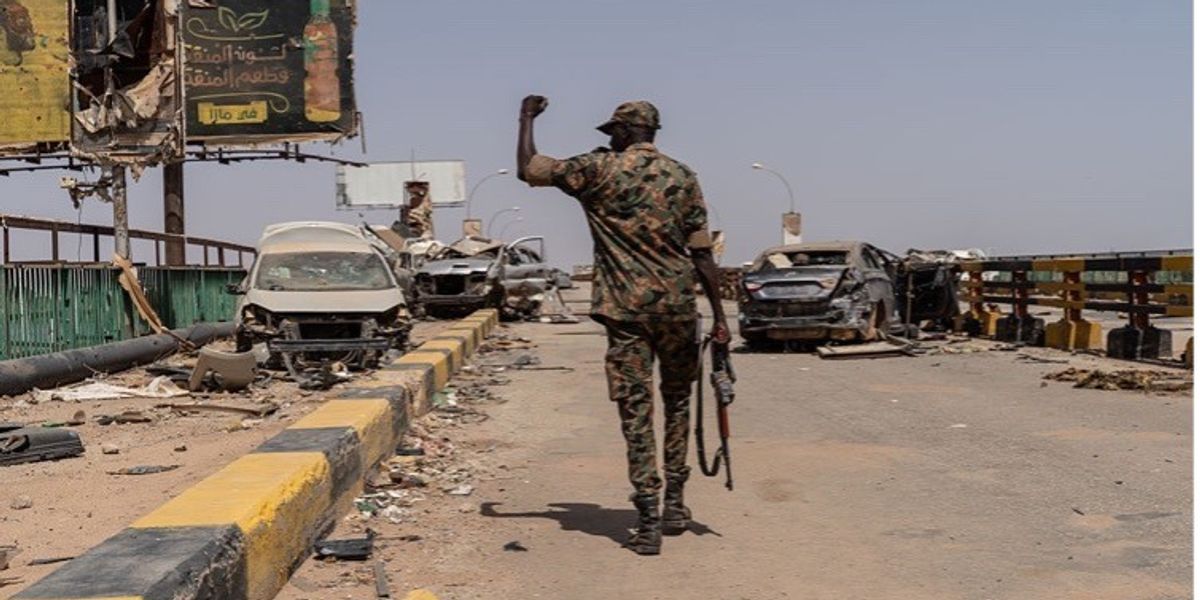
Sudan’s protracted Conflict: A Convergence of Geopolitics,Resources,and Regional Rivalries
Sudan is embroiled in a devastating conflict,a crisis far exceeding a simple internal power struggle.The roots of this instability lie in a complex interplay of geographical meaning, abundant resources, and the competing interests of numerous external actors. Understanding these forces is crucial to grasping why the war persists and the perhaps catastrophic consequences of its continuation.
A Strategic Crossroads: Why Sudan Matters to the World
Sudan’s location is paramount. Situated along the Nile River, bordering the Red Sea, and positioned within the volatile Horn of Africa, the nation is a linchpin for regional security and global trade. Control over Sudan impacts everything from Egypt’s access to vital water resources to the maritime ambitions of Gulf States and the strategic positioning of powers like Russia and Turkey.
Beyond geography, Sudan’s wealth in natural resources – including gold, oil, and arable land – has tragically transformed the internal conflict into a lucrative, self-perpetuating war economy. This influx of funding from external sources, as explained by conflict analyst Mr. Krieg, isn’t driving a swift resolution; instead, it’s solidifying territorial control and prolonging the fighting.
“material backing has lengthened the war and structured its geography,” Krieg notes.”The result is not a decisive victory for either side but a hardening of zones, with the RSF advantaged in a peripheral theater where it can police corridors and extract revenue, and the army entrenched where the state’s core institutions, population and donor attention reside.”
The Entrenched Stalemate: Why Peace Remains Elusive
The sheer number of involved parties, coupled with a profound lack of trust between the Sudanese Armed Forces (SAF) and the Rapid Support Forces (RSF), presents a formidable obstacle to peace. International efforts, led by the United States in collaboration with the UAE, Egypt, and Saudi Arabia (the “Quad”), are focused on securing a three-month humanitarian truce. While the RSF tentatively agreed to a deal on November 6th, persuading the Sudanese army to follow suit remains a significant challenge.
The stakes are incredibly high. A prolonged conflict threatens to unleash a humanitarian disaster of immense proportions. Current estimates project over 150,000 deaths and more than 14 million people displaced, with a staggering 25 million facing acute hunger.The regional implications are equally concerning. Unchecked RSF control in Darfur could destabilize the crucial Red Sea corridor, a vital artery for global commerce and a key interest for U.S. allies.
Furthermore, failure to resolve the conflict carries significant reputational costs for the United States. It risks eroding credibility on human rights and genocide prevention, especially given the legacy of the 2003 Darfur genocide. Increased refugee flows into North Africa and Europe would add further strain to already complex geopolitical landscapes. As one White House-connected source revealed to The Cipher Brief, the situation is gaining increased attention within the management, with even former President trump reportedly desiring a resolution.
The RSF’s Consolidation and Sudan’s Potential Futures
Recent battlefield gains have allowed the RSF to consolidate its power, particularly in Darfur. The fall of El Fasher, the last major government stronghold in the region, has granted the RSF control over a vast territory spanning West, South, Central, and much of North Darfur.This control provides access to vital supply routes through Libya and Chad,bolstering their ability to sustain the conflict.
Dr. Krieg highlights a critical shift: Sudan is entering a ”consolidation phase.” He foresees two likely scenarios unfolding:
* Frozen Conflict & Informal Partition: The front lines could stabilize, effectively dividing the country into two zones - a western region controlled by the RSF and a central/eastern region held by the SAF.
* RSF Offensive Eastward: The RSF may attempt to expand its control eastward through North Kordofan, challenging the SAF’s hold on the center of the country.
Crucially, the conflict has created a deeply entrenched “conflict economy” characterized by siege tactics, mass displacement, and widespread food insecurity. Political dialogue has stalled, as the RSF leverages its battlefield successes in Darfur to avoid making concessions.
The Path Forward: A Call for Sustained International Engagement
The situation in Sudan demands sustained and coordinated international engagement. A humanitarian truce is a critical first step,but it must be accompanied by a robust diplomatic effort to address the underlying causes of the conflict and foster genuine dialogue between the warring parties. The international community must also prioritize the protection of civilians and ensure unim


