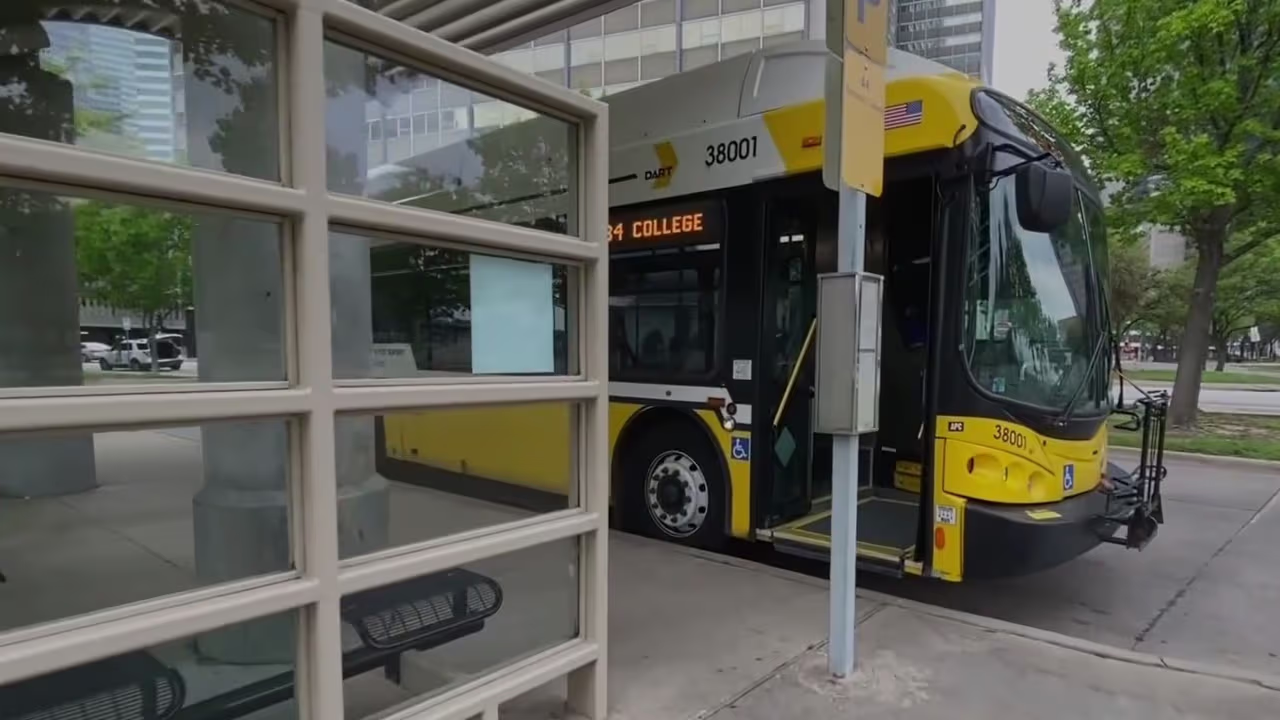
Plano, Texas, is poised to remain a part of the Dallas Area Rapid Transit (DART) system following a series of discussions and a recent agreement reached between the city and the transit agency. The move comes after Plano officials initially sought a vote to withdraw from DART, raising questions about the future of regional transportation and funding in the rapidly growing North Texas area. The evolving situation highlights the complexities of balancing local control with the benefits of a unified public transportation network.
For months, a debate has unfolded regarding Plano’s participation in DART, fueled by concerns over financial contributions and the level of service provided to residents. Several cities within the DART service area had considered similar withdrawal elections, prompting the agency to seek a more collaborative approach. A key sticking point revolved around funding formulas and the perceived inequity in how costs were distributed among member cities. The recent agreement signals a potential turning point, offering a path forward that addresses some of those concerns and averts a potentially disruptive series of elections.
New Financial Agreement Averts Withdrawal Vote
The Plano City Council has officially canceled a planned election that would have allowed residents to vote on whether to withdraw from the DART system. This decision followed the approval of a revised financial agreement between Plano and DART, resolving the issues that prompted the initial consideration of withdrawal. According to reports from NBC 5 Dallas-Fort Worth, the new agreement provides a more favorable financial structure for Plano, addressing concerns about the city’s financial obligations to the transit agency. The specifics of the financial restructuring weren’t immediately available, but officials indicated it represents a significant step towards a more equitable partnership.
The cancellation of the election represents a significant shift in Plano’s stance. Previously, city leaders had expressed strong reservations about continuing with DART under the existing financial arrangements. The decision to pursue an election was seen as a way to give residents a direct voice in the matter and potentially leverage a withdrawal threat to negotiate a more favorable agreement. However, with the new financial framework in place, city officials determined that an election was no longer necessary. Community Impact News reported that officials believe the agreement adequately addresses the city’s concerns and provides a sustainable path forward for DART participation.
DART and City Collaboration: A Path Forward
The successful negotiation between DART and Plano underscores the importance of collaboration in addressing regional transportation challenges. The initial tensions stemmed from a lack of consensus on how to equitably distribute the costs of operating and maintaining the DART system. Plano, as a rapidly growing city, argued that its contributions were disproportionately high compared to the benefits it received. The new agreement appears to acknowledge these concerns and provides a mechanism for ongoing dialogue and adjustments to ensure a fair and sustainable financial arrangement.
The agreement as well reflects a broader trend towards regional cooperation in North Texas. As the area continues to experience rapid population growth, the need for a coordinated transportation network becomes increasingly critical. DART plays a vital role in connecting communities across Dallas and Collin counties, providing access to jobs, education, and other essential services. Maintaining a strong regional transit system is essential for supporting economic development and improving the quality of life for residents.
Understanding the DART System and its Funding
The Dallas Area Rapid Transit (DART) is a regional transportation agency serving the Dallas-Fort Worth metropolitan area. Established in 1983, DART operates a comprehensive network of buses, light rail, commuter rail, and paratransit services. The agency is funded through a combination of sources, including sales tax revenue, federal grants, and fares. Member cities contribute to the DART budget based on a formula that considers population, property values, and other factors.
The DART system has undergone significant expansion in recent years, with the addition of new light rail lines and bus routes. These investments have helped to improve connectivity and reduce traffic congestion in the region. However, the cost of expanding and maintaining the system has also increased, leading to ongoing debates about funding and resource allocation. The recent discussions with Plano highlight the challenges of balancing the need for investment with the desire to maintain fiscal responsibility.
Impact on Regional Transportation
Plano’s decision to remain with DART has significant implications for the future of regional transportation in North Texas. A withdrawal by Plano would have created uncertainty and potentially disrupted the DART system, impacting service levels and potentially leading to higher costs for other member cities. The agreement ensures that Plano will continue to contribute to the financial stability of DART and participate in the planning and development of future transportation projects.
The continued collaboration between Plano and DART also opens the door for potential future expansions of the DART system within the city. Plano has experienced substantial growth in recent years, and the demand for public transportation is expected to continue to increase. The new financial agreement could facilitate investments in new bus routes, light rail extensions, and other transportation improvements that will benefit Plano residents.
Future Considerations and Ongoing Dialogue
Whereas the recent agreement represents a positive step forward, it is important to recognize that ongoing dialogue and collaboration will be essential for ensuring the long-term sustainability of the DART system. The financial landscape is constantly evolving, and it will be necessary to periodically review and adjust the funding formulas to ensure that they remain equitable and effective. It will be important to continue to engage with residents and stakeholders to gather feedback and address any concerns that may arise.
The situation in Plano serves as a valuable lesson for other cities within the DART service area. By working collaboratively with DART and engaging in constructive dialogue, cities can address their concerns and ensure that they are receiving a fair return on their investment. A strong regional transportation system is essential for supporting economic growth and improving the quality of life for all residents of North Texas.
Looking ahead, the focus will be on implementing the new financial agreement and monitoring its impact on Plano and the broader DART system. Officials will also be closely watching developments in other cities within the DART service area to identify any potential challenges or opportunities for collaboration. The next key checkpoint will be the release of DART’s annual financial report in late 2026, which will provide a detailed assessment of the agency’s financial performance and the impact of the new agreement with Plano. Readers are encouraged to share their thoughts on this evolving situation and the future of regional transportation in North Texas in the comments below.
Worth a look