
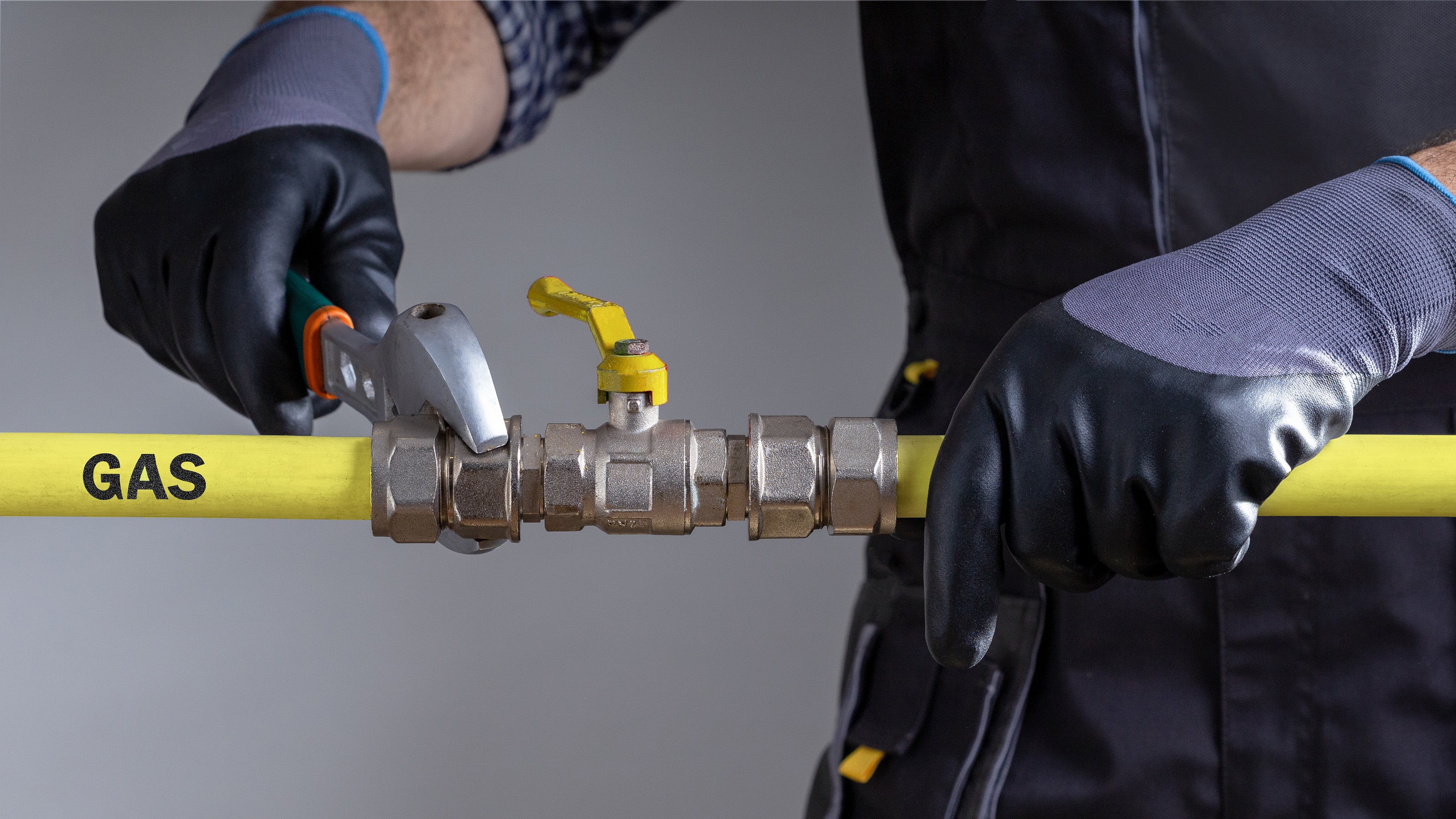
For thousands of homeowners across Germany, the transition to a greener future is proving to be more expensive than the brochures suggested. While the focus of the “energy transition” (Energiewende) has largely remained on the high upfront costs of heat pumps and the complexity of government subsidies, a hidden financial trap has emerged at the very end of the installation process: the gas line.
The irony is stark. A homeowner may spend tens of thousands of euros to replace an aging gas boiler with a modern, sustainable heating system, only to find themselves blindsided by a bill for simply disconnecting the old fuel source. What should be a routine administrative and technical step has become a source of significant financial friction, with costs varying so wildly that they suggest a systemic lack of transparency within the utility sector.
As an economist, I have seen how “friction costs” can derail large-scale policy shifts. When the process of exiting a legacy system is unpredictable or punitively expensive, it creates a psychological and financial barrier that slows the adoption of new technology. In the case of German gas connections, this friction is not caused by the technology itself, but by a confusing jungle of terminology and a regulatory vacuum that local network operators are allegedly exploiting.
Recent findings from the Verbraucherzentrale Bundesverband (vzbv), Germany’s influential federation of consumer organizations, have shed light on this issue. By analyzing the pricing structures of 54 different energy providers, the vzbv revealed a staggering disparity in what consumers are charged to say goodbye to their gas connections. The results suggest that the price a homeowner pays often depends less on the actual labor involved and more on the specific word used in the request sent to the utility company.
The Terminology Trap: Why Words Cost Thousands
The core of the problem lies in the distinction between three primary technical actions: pausing the connection, decommissioning it, and complete physical removal. Because there is no standardized legal definition for these terms across all providers, utility companies often apply their own pricing models, leading to “absurd” price ranges.
According to the Verbraucherzentrale Bundesverband, the costs are broken down into three distinct categories, each with vastly different financial implications:
- Connection Pausing (Sperrung): This is essentially a “sleep mode” for the gas line. The pipe remains, but the flow is stopped. The vzbv found that annual fees for this service range from approximately 21 euros to as high as 231 euros, despite no gas actually flowing into the home.
- Decommissioning (Stilllegung): This is a more permanent stop. The price for this service fluctuates wildly, ranging from completely free of charge to a staggering 6,545 euros.
- Physical Removal (Rückbau): This involves the actual removal of the piping from the property. In extreme cases, the vzbv identified costs reaching up to 6,900 euros.
For the average consumer, the difference between “decommissioning” and “removal” might seem semantic. However, in the eyes of a utility provider, one may be a simple valve turn while the other is a construction project. The vzbv warns that because of the “legal vacuum” surrounding these terms, some providers may charge for the most expensive option (removal) even when a simpler decommissioning would suffice, simply because of how the customer phrased their request.
The Economic Impact on the Green Transition
This pricing chaos occurs against the backdrop of the Gebäudeenergiegesetz (GEG), or the Building Energy Act, which mandates a shift toward renewable heating sources for new and existing buildings. The Federal Ministry for Economic Affairs and Climate Action has pushed for these changes to meet climate targets, but the “last mile” of the transition—the removal of fossil fuel infrastructure—is where the system is breaking down.

From a market perspective, this represents a failure of standardization. In a healthy competitive market, service costs for basic infrastructure (like disconnecting a pipe) should be relatively transparent and aligned with the actual labor and material costs. When a price range spans from zero to nearly 7,000 euros for the same basic outcome, it indicates that providers are exercising excessive pricing power due to a lack of consumer awareness and regulatory oversight.
This is particularly damaging to the perceived fairness of the energy transition. Many homeowners are already struggling with the high costs of heat pump installation and the fluctuating prices of electricity. Discovering a multi-thousand-euro “exit fee” for a gas line can lead to resentment and a loss of trust in the government’s green initiatives.
Practical Guidance for Homeowners
To avoid becoming a victim of this “terminology trap,” the vzbv advises consumers to be extremely precise in their communications with network operators. The goal is to ensure you are paying for the minimum necessary technical intervention rather than a full-scale infrastructure removal that may not be required by law or safety standards.
How to Handle Your Gas Disconnection
If you are currently switching to a heat pump or another renewable system, consider the following steps to protect your finances:
- Request a Written Quote: Never agree to a disconnection over the phone. Demand a detailed, written quote that specifies exactly which service is being performed (Sperrung, Stilllegung, or Rückbau).
- Question the Necessity of Removal: Ask the provider if a full physical removal (Rückbau) is legally required or if a decommissioning (Stilllegung) is sufficient. In many cases, the pipe can remain dormant without needing to be ripped out of the wall.
- Compare with Neighbors: Since these costs are determined by local network operators, check with other homeowners in your neighborhood who have recently switched. This can help you identify if your local provider is charging significantly above the regional average.
- Challenge Outrageous Bills: If you receive a bill in the thousands for a simple disconnection, contact your local consumer protection center (Verbraucherzentrale) immediately. The vzbv’s data provides a strong basis for challenging prices that are vastly outside the norm.
The Path Toward Transparency
The current situation is unsustainable if Germany intends to accelerate its heating transition. For the Energiewende to succeed, the process of removing fossil fuel infrastructure must be as streamlined and transparent as the process of installing new technology.
The vzbv is calling for clearer legal definitions and standardized pricing for these services. Without a regulatory framework that prevents “price gouging” through linguistic ambiguity, the gas line will remain a symbolic and financial bottleneck in the journey toward carbon neutrality.
| Option | Technical Action | Estimated Cost Range | Financial Impact |
|---|---|---|---|
| Sperrung (Pausing) | Temporary stop of gas flow | €21 – €231 (Annual fee) | Recurring cost. pipe remains active |
| Stilllegung (Decommissioning) | Permanent stop of gas flow | €0 – €6,545 (One-time) | High variability; often the safest mid-point |
| Rückbau (Removal) | Physical removal of piping | Up to €6,900 (One-time) | Most expensive; involves construction |
As the transition continues, the focus must shift from simply “installing the new” to “efficiently retiring the old.” The cost of disconnecting a gas line should be a footnote in a home renovation project, not a financial crisis.
The next critical checkpoint for homeowners will be the continued monitoring of these practices by the vzbv and potential legislative adjustments to the GEG or related utility regulations to ensure price transparency. We expect further advisories from consumer protection agencies as more households complete their transition in the coming year.
Do you have experience with unexpected costs during your home’s energy transition? Share your story in the comments below or reach out to our business desk to help us highlight these systemic issues.