
The landscape of digital privacy and network performance has a modern contender as Surfshark introduces its proprietary Surfshark Dausos VPN protocol, a next-generation connection standard designed to prioritize both velocity and security. In an era where data-heavy activities like high-definition streaming and competitive gaming demand minimal latency, the introduction of Dausos aims to bridge the gap between airtight encryption and high-speed throughput.
At its core, a VPN protocol serves as the set of rules that govern the encrypted connection between a user’s device and the internet. While the industry has long relied on staples like OpenVPN—which remains a reliable choice for bypassing firewalls and maintaining stable connections—modern requirements have rendered some older protocols inefficient. The Surfshark Dausos VPN protocol is positioned as a modern alternative to challenge WireGuard, aiming to provide a more streamlined experience without compromising the user’s security posture.
According to technical specifications, the Dausos protocol delivers speeds that are 30% faster than industry-standard protocols via CNET. This performance boost is particularly relevant for users engaged in data-heavy activities, where connection stability and speed are paramount to avoiding lag or buffering.
Technical Innovations: Beyond Standard Encryption
The Dausos protocol introduces several key innovations that distinguish it from traditional VPN connections. One of the most significant upgrades is the implementation of hybrid post-quantum encryption. As computing power evolves, the threat of future quantum computers breaking current encryption standards becomes a real concern; post-quantum encryption is designed to resist these advanced cryptographic attacks, ensuring that data remains secure even against future technological leaps.

Dausos utilizes dedicated, private server-side tunnels for every individual session. Unlike some traditional setups, this approach allows the connection to dynamically adapt to the specific network conditions and device capabilities of the user. By isolating data traffic, Surfshark aims to optimize performance on a per-connection basis.
The importance of this isolation is highlighted by Karolis Kaciulis, Surfshark’s lead systems engineer, who stated that while the risk of cross-traffic exposure in modern VPNs is typically exceptionally low, the design of Dausos goes further to ensure a “clean, private and secure path for each user’s data.” To ensure these claims hold up under scrutiny, the protocol has undergone an independent audit.
The Role of VPNs in Mitigating DDoS Attacks
Beyond connection speeds, the underlying architecture of a VPN—specifically the creation of an encrypted tunnel—plays a critical role in broader digital security, such as protecting against Distributed Denial-of-Service (DDoS) attacks. A DDoS attack occurs when a network, website, or application is flooded with traffic, causing it to crash or become unavailable.
Generally, VPNs can help stop DDoS attacks by hiding the user’s actual IP address via Security.org. Because a DDoS attack requires a target IP address to direct the flood of traffic, hiding that address makes it significantly harder for attackers to locate and target a specific network. The encrypted tunnel created by the VPN hides the user’s activity from their internet service provider (ISP).
However, a VPN is not a foolproof shield. If a malicious actor already possesses a user’s computer IP address, a VPN cannot retroactively prevent an attack. If the VPN provider’s own servers are targeted and the company has poorly implemented DDoS protections, the users connected to those servers may still be vulnerable. While a VPN cannot stop an attack that is already in progress on a server, it serves as a preventative measure once properly configured on a device.
Infrastructure Risks and the Weaponization of VPNs
While VPNs are primarily used for protection, the infrastructure of some providers has historically been exploited for malicious purposes. In a report from September 7, 2023, the security firm Qurium confirmed that infrastructure belonging to several major providers, including NordVPN, ExpressVPN, and IPVanish, had been used to launch DDoS attacks against independent media outlets via Qurium.
This highlight underscores a critical tension in the industry: the same anonymity and tunneling capabilities that protect users can be weaponized if the provider’s infrastructure is compromised or misused. This makes the development of proprietary, audited protocols like Dausos a strategic move for providers looking to enhance their security frameworks and maintain the integrity of their server networks.
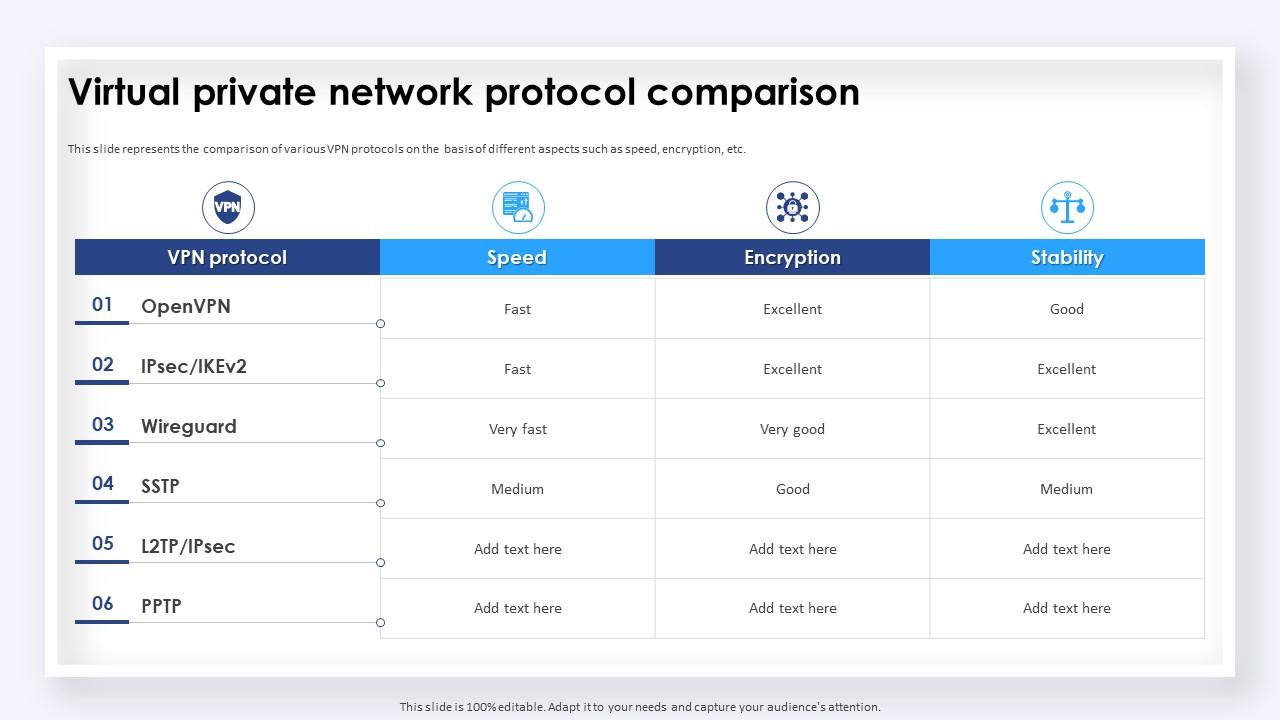
Comparison of VPN Protocol Characteristics
| Protocol | Primary Strength | Trade-off/Characteristic |
|---|---|---|
| OpenVPN | Airtight security and firewall bypass | Slower, “lumbering” performance compared to modern standards |
| WireGuard | High speed and efficiency | Industry benchmark for modern performance |
| Dausos | 30% faster speeds; Post-quantum encryption | Uses dedicated server-side tunnels per session |
What So for the Global User
For the average user, the shift toward protocols like Dausos means that the traditional “speed tax”—the noticeable drop in internet speed when enabling a VPN—is continuing to shrink. The integration of hybrid post-quantum encryption suggests a shift toward “future-proofing” data, acknowledging that today’s encrypted data may be stored by adversaries to be decrypted by more powerful computers years from now.
The move toward dedicated tunnels also addresses the nuanced concern of cross-traffic exposure. By ensuring that each session is isolated, providers can theoretically offer a more stable connection that is less susceptible to the fluctuations caused by other users on the same server.
As digital threats evolve from simple IP tracking to complex DDoS attacks and the looming possibility of quantum decryption, the evolution of the Surfshark Dausos VPN protocol represents a broader trend in the tech industry: the transition from general-purpose security tools to highly specialized, optimized software designed for the specific demands of the modern web.
There are currently no further scheduled release dates or public audit reports announced for the Dausos protocol beyond its initial launch. Users are encouraged to monitor official company updates for further technical documentation.
Do you prioritize speed or maximum security when choosing a VPN protocol? Share your thoughts in the comments below or share this analysis with your network.
Worth a look