The Rising Tide of Antisemitism: Dave portnoy’s Experiance and a broader Societal Shift
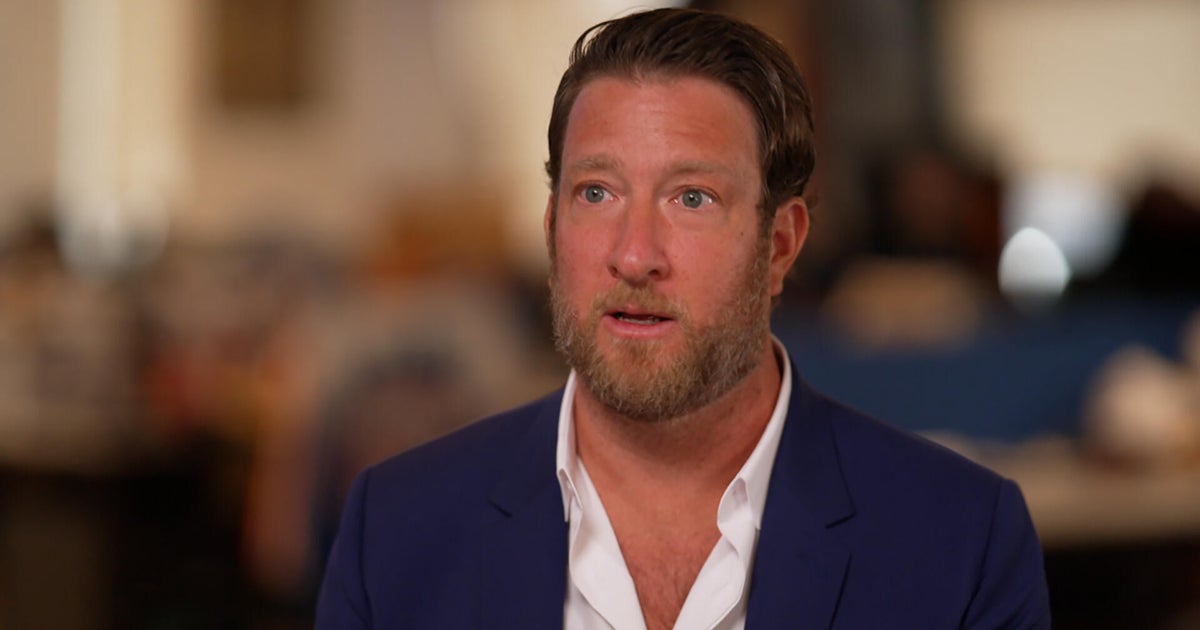
Recent reports indicate a disturbing surge in antisemitism across the United States and globally. This isn’t just a statistical trend; it’s a lived reality for many, including prominent figures like Dave Portnoy, President of Barstool Sports. Portnoy recently shared his experience with “CBS Sunday Morning,” detailing a marked increase in daily antisemitic harassment – a notable departure from the occasional hateful comments he previously encountered. His story serves as a stark reminder of the escalating issue and prompts a crucial conversation about its causes, impact, and potential solutions.
A Personal Account and a Wider Pattern
Portnoy’s account isn’t isolated. He described a “definitive shift” in the nature and frequency of antisemitic attacks, even experiencing a direct verbal assault while filming a “One Bite” pizza review in Mississippi. This incident, though recent, underscores a growing pattern documented by organizations tracking hate crimes and bias incidents.
The Anti-Defamation League (ADL) reported a 388% increase in antisemitic incidents in the U.S. in the wake of the October 7th Hamas attack on Israel. This surge includes harassment,vandalism,and assault. https://www.adl.org/resources/report/antisemitic-incidents-report-october-7-2023 This data, released November 2023, highlights the immediate and dramatic impact of global events on domestic antisemitism.
Portnoy emphasized the importance of Jewish individuals speaking out against this rising hate. He feels a duty, as a public figure, to acknowledge the problem and challenge the normalization of antisemitism. He distinguishes between casual banter and “real hate,” recognizing the risky escalation occurring.
Understanding the roots of increased antisemitism
Several factors contribute to this alarming trend. These include:
* Global Conflicts: Events in the Middle East often fuel antisemitism, with criticism of Israel sometimes crossing the line into antisemitic tropes and attacks.
* Online Extremism: The internet provides a platform for the rapid spread of hate speech and conspiracy theories, often targeting Jewish communities. Online hate speech is a significant driver of real-world violence.
* Political Polarization: Increased political division can create an environment where extremist ideologies gain traction.
* Past Prejudices: deep-seated antisemitism, rooted in centuries of discrimination, continues to persist in various forms. Historical antisemitism provides the foundation for contemporary biases.
* Misinformation & disinformation: The proliferation of false narratives about Jewish people and their influence contributes to prejudice.
What You Can Do: Combating Antisemitism
You don’t have to be a public figure to make a difference. Here are actionable steps you can take:
- Educate Yourself: Learn about the history of antisemitism and its contemporary manifestations. Resources like the ADL and the Southern Poverty Law Center (https://www.splcenter.org/) offer valuable information.
- Speak Out: Challenge antisemitic remarks and behaviors whenever you encounter them, whether online or in person. Challenging antisemitism requires courage and a commitment to inclusivity.
- Support organizations: Donate to or volunteer with organizations dedicated to fighting antisemitism and promoting tolerance.
- Report Incidents: Report antisemitic hate crimes and bias incidents to the appropriate authorities.
- Promote Dialog: Engage in respectful conversations with others to foster understanding and break down stereotypes. Interfaith dialogue can build bridges and combat prejudice.
Addressing Common Concerns: A Deeper Dive
Many people are asking questions about the current situation. Here are answers to some frequently asked questions:
* What is the difference between antisemitism and criticism of Israel? Criticism of israeli government policies is not inherently antisemitic. Though, when criticism crosses the line into demonizing Jewish people, applying double standards, or invoking antisemitic tropes, it becomes antisemitic.
* How can I identify antisemitic tropes? Common tropes include blaming Jews for societal problems, portraying them as greedy or manipulative, and denying the Holocaust
Worth a look