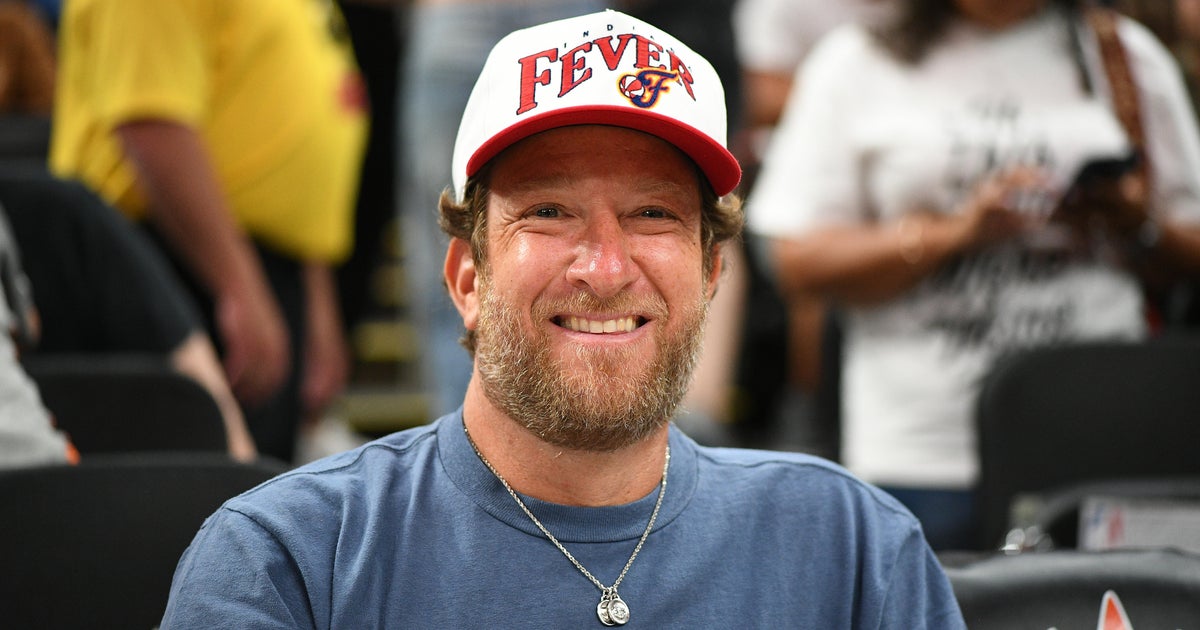
Dave Portnoy, the founder of the sports and pop culture media brand Barstool Sports, has frequently compared his company’s operational philosophy to that of the long-running sketch comedy institution Saturday Night Live. Portnoy, who launched the brand in 2003 after departing a sales position at Yankee Group, has cultivated a decentralized production model that relies on individual personalities rather than a top-down corporate editorial structure.
The comparison centers on the “talent-first” approach that has defined Barstool Sports’ growth from a local print publication in Boston to a multi-platform digital media entity. According to Portnoy, the strategy involves recruiting unique personalities—similar to how SNL scouts individual comedians—and providing them with a platform to produce their own content, often with minimal interference from management. This structure has allowed the brand to scale rapidly, leading to its eventual acquisition by PENN Entertainment in a deal finalized in February 2023, and Portnoy’s subsequent re-acquisition of the company for $1 in August 2023, as reported by CNBC.
The Evolution of the Barstool Business Model
Before achieving national prominence, Portnoy founded Barstool Sports in 2003 with the intent of creating a platform that prioritized independent, unfiltered commentary. The transition from a print newspaper distributed in the Boston subway system to a digital-first media house was driven by a need to capture an audience that traditional sports media often overlooked. Portnoy has noted in various interviews that his dissatisfaction with his previous career in sales served as the primary catalyst for his entrepreneurial pivot, forcing him to build a system that valued personality-driven content over formal journalistic standards.

This model mirrors the SNL framework by relying on a rotating cast of characters—podcasters, bloggers, and streamers—who maintain their own loyal followings. By empowering these individuals to act as independent agents within the larger company structure, Portnoy has mitigated the risks typically associated with centralized media outlets. The company’s revenue streams, which include merchandise, live events, and advertising partnerships, remain tethered to the individual popularity of these creators rather than a single flagship product.
Strategic Similarities to Sketch Comedy Production
The operational logic Portnoy applies to Barstool Sports emphasizes “reps”—the idea that creators must produce a high volume of content to find what resonates with the audience. This high-frequency output is a hallmark of the SNL production cycle, where writers and performers iterate on sketches weekly to meet the demands of live television. By applying this “fail fast” mentality to digital media, Portnoy has allowed his staff to experiment with various formats, from long-form podcasts like Pardon My Take to short-form viral clips.

The structural reliance on a “stable” of talent, rather than a rigid hierarchy, has been instrumental in the company’s ability to survive shifts in social media algorithms and digital advertising trends. According to Forbes, the re-acquisition of the brand by Portnoy in 2023 highlighted his commitment to this independent, personality-driven identity, as he moved to reclaim full creative control to better align the company with his original vision.
Challenges and Industry Impact
While the SNL-style decentralization has fueled growth, it has also presented significant challenges. The lack of centralized editorial oversight has frequently placed the company at the center of public controversies, as individual creators often express views that diverge from corporate standards. Unlike legacy media organizations that utilize centralized gatekeepers to maintain a specific brand voice, Barstool Sports leans into the controversy generated by its talent, viewing it as part of the brand’s authentic, “outsider” appeal.
The company’s ability to monetize this approach has been significant. Following the 2023 buyback, Portnoy indicated that the focus would return to profitability and lean operations, moving away from the corporate requirements imposed during the PENN Entertainment ownership period. This shift underscores a broader trend in digital media where creators are increasingly opting for independent ownership over traditional media conglomerates, prioritizing control over institutional scale.
Looking Ahead
As Barstool Sports continues to navigate the evolving digital landscape, the “SNL” framework remains the core of its business strategy. The company is currently focused on optimizing its existing talent roster and expanding its reach through its proprietary app and social media presence. For investors and industry analysts, the success of this model remains a point of study regarding how much autonomy is sustainable within a commercial media environment.

The next major milestone for the organization will be its continued navigation of the sports betting and content licensing markets, where Portnoy must balance his brand’s irreverent reputation with the demands of high-level corporate partnerships. For updates on the company’s operational status, stakeholders typically monitor the official Barstool Sports website and Portnoy’s personal social media channels, where he frequently provides commentary on company direction. We invite our readers to share their thoughts on the evolution of creator-led media in the comments section below.
Worth a look