
Recent discussions surrounding land agreements in British Columbia have drawn attention from various commentators, including Dallas Brodie, leader of the OneBC movement. Brodie has publicly criticized Premier David Eby’s approach to treaty negotiations, particularly regarding two new agreements that he describes as problematic land giveaways. These comments have appeared across social media platforms and video-sharing sites, where Brodie argues that the treaties transfer significant provincial authority to Indigenous groups without sufficient public oversight.
The core of Brodie’s criticism centers on what he characterizes as the erosion of provincial control over natural resources and decision-making processes. In multiple recent appearances, he has framed these treaties as part of a broader pattern where the BC NDP government, alongside support from the BC Conservatives and BC Greens, is compromising British Columbia’s sovereignty. His messaging emphasizes concerns about accountability, suggesting that the agreements empower unelected band councils to make decisions affecting all residents of the province.
To understand the context of these claims, it is necessary to examine the specific treaties under discussion. While Brodie’s videos reference two new “Treaties” tabled by the BC NDP, independent verification through official provincial sources reveals that the primary agreement currently advancing through legislative processes is the K’omoks Treaty Act. This bill, introduced in the British Columbia Legislative Assembly, aims to formally recognize the K’omoks First Nation’s treaty rights and establish a framework for self-governance within their traditional territories on Vancouver Island.
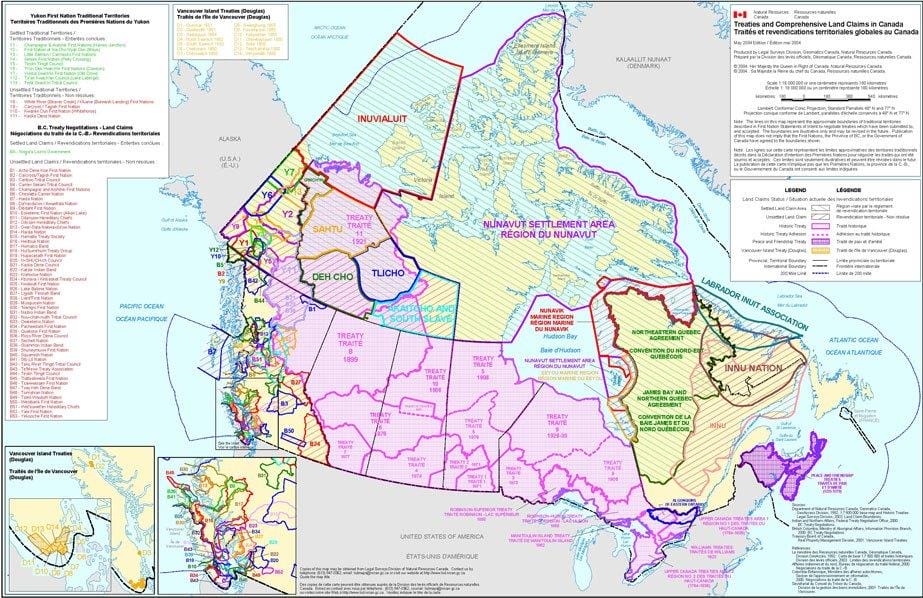
The K’omoks Treaty Act represents a significant development in modern treaty-making in British Columbia, a province where most Indigenous nations operate without historic treaties. Unlike the numbered treaties prevalent in other parts of Canada, BC has pursued a contemporary treaty process since the 1990s through the BC Treaty Commission. The K’omoks agreement, if passed, would mark one of the first urban treaties to be ratified in the province, addressing land ownership, resource sharing, and governance structures for the K’omoks people near Courtenay and the Comox Valley.
Official documents from the BC Ministry of Indigenous Relations and Reconciliation outline that the treaty involves the transfer of approximately 24,800 hectares of land to K’omoks ownership, combining existing reserve lands with areas identified through negotiation. The agreement also includes financial components, such as a capital transfer payment spread over several years, and establishes mechanisms for co-management of provincial parks and protected areas within the treaty settlement lands.
Premier David Eby has defended the treaty process as fulfilling constitutional obligations and advancing reconciliation with Indigenous peoples. His government maintains that these agreements are negotiated through the BC Treaty Commission framework, requiring ratification by both the First Nation and the provincial legislature before taking effect. Eby has emphasized that modern treaties in BC are designed to provide clarity on land rights, reduce uncertainty for development, and support self-determination for Indigenous communities.
The BC Treaty Commission, an independent body responsible for facilitating treaty negotiations, confirms that the K’omoks First Nation entered the formal treaty process in 1994. After decades of negotiations, an Agreement-in-Principle was signed in 2018, laying the groundwork for the current treaty bill. The commission’s public records show that the K’omoks treaty negotiations have proceeded through the standard six-stage process, with the final agreement now awaiting legislative approval.
Support for the treaty extends beyond the provincial government. The BC Greens and BC Conservatives have both indicated backing for the K’omoks Treaty Act, though their motivations may differ. While the NDP frames the treaty as part of its reconciliation agenda, opposition support often cites economic benefits and legal certainty as key factors. This cross-partisan alignment suggests that the treaty is viewed by many stakeholders as a mechanism to resolve long-standing jurisdictional ambiguities in the region.
Critics like Dallas Brodie, however, argue that the process lacks transparency and sufficient public consultation. OneBC, the movement he leads, has positioned itself as advocating for “equal rights for all” and expressing concern that treaty negotiations prioritize Indigenous interests at the expense of non-Indigenous residents. Brodie’s content frequently highlights perceived imbalances in power-sharing arrangements and questions whether unelected Indigenous governments should hold authority over lands used by all British Columbians.
Legal experts consulted on modern treaty processes in Canada note that such agreements are constitutionally protected under Section 35 of the Constitution Act, 1982, which recognizes and affirms existing Aboriginal and treaty rights. They explain that treaties do not create new rights but rather affirm and specify rights that Indigenous peoples held prior to European settlement. The transfer of land and resources in these agreements is therefore understood as a restoration of pre-existing entitlements rather than a provincial giveaway.
Despite the heated rhetoric surrounding the treaty debate, the K’omoks First Nation has presented the agreement as a culmination of generations of advocacy. Community leaders have described the treaty as essential for preserving cultural heritage, enabling economic development on their terms, and achieving self-governance after years of reliance on the Indian Act system. Ratification would allow the K’omoks to establish their own laws in areas such as education, health care, and land use within their treaty settlement lands.
The legislative journey of the K’omoks Treaty Act continues to unfold. As of the most recent verified updates, the bill has passed its first and second readings in the Legislative Assembly and is currently undergoing committee review. Public hearings have been scheduled to allow input from stakeholders, including local governments, industry representatives, and members of the public. The exact date for the final vote has not been set, but provincial officials indicate that deliberations are expected to conclude during the current legislative session.
For those seeking to follow the treaty’s progress, the British Columbia Legislative Assembly’s official website provides access to the full text of the K’omoks Treaty Act, debate transcripts, and committee meeting schedules. The BC Treaty Commission also maintains detailed records of the negotiation history, including financial summaries and land selection maps, which are available to the public upon request. These primary sources offer the most accurate insight into the treaty’s provisions beyond partisan commentary.
The broader implications of the K’omoks treaty extend beyond immediate land transfers. Analysts suggest that successful ratification could encourage other First Nations engaged in the treaty process to advance their own agreements, potentially reshaping the legal and economic landscape of British Columbia over the coming decades. Conversely, significant opposition could slow momentum for future negotiations, particularly if legal challenges arise regarding the treaty’s compatibility with municipal jurisdiction or private property rights.
As the debate continues, the conversation reflects deeper questions about how British Columbia addresses its historical relationship with Indigenous peoples while managing contemporary governance challenges. Whether viewed as a necessary step toward reconciliation or an overreach of provincial authority, the K’omoks Treaty Act stands as a pivotal test of the province’s ability to balance competing visions of justice, sovereignty, and shared prosperity on its territory.
To stay informed about the next official developments in the K’omoks treaty process, readers are encouraged to monitor the British Columbia Legislative Assembly’s calendar for upcoming committee meetings and the scheduled date for the bill’s third reading and final vote. These procedural steps will determine whether the treaty becomes law and begins the implementation phase.
We invite our global audience to share perspectives on this evolving story. How do you believe provinces should approach treaty negotiations and Indigenous self-governance? What balance should be struck between recognizing historical rights and ensuring inclusive decision-making for all residents? Join the conversation by commenting below and sharing this article with others interested in Canadian affairs and Indigenous rights.