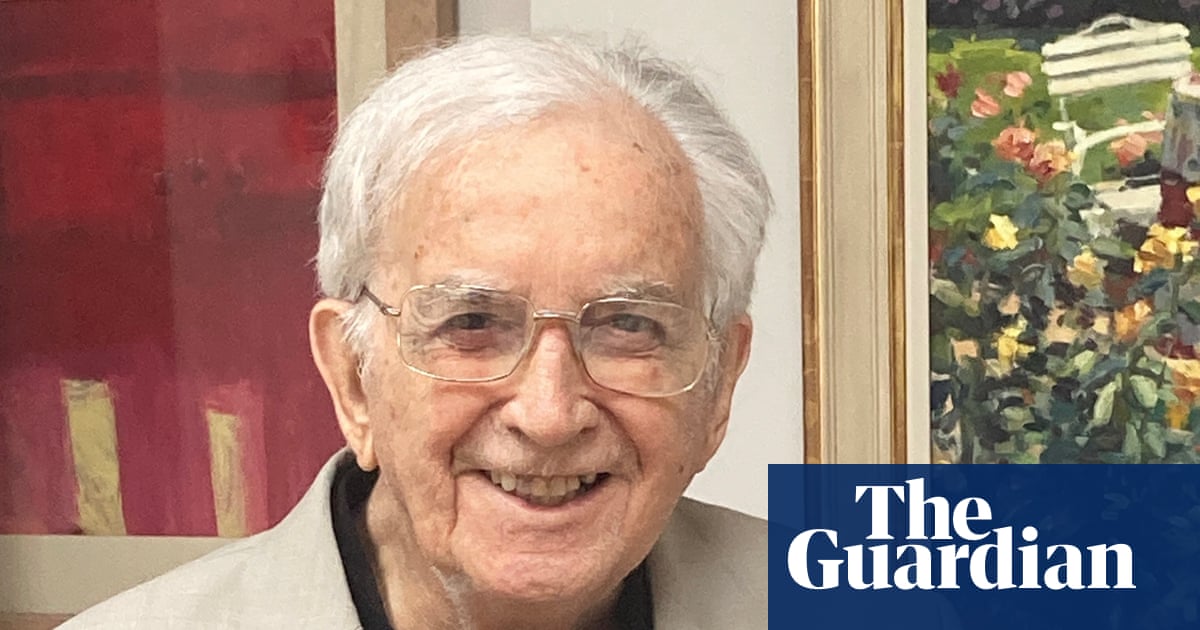
David Enoch: A Pioneer of Humane Mental Healthcare and Champion for the Vulnerable (1926-2024)
A groundbreaking psychiatrist, dedicated reformer, and compassionate advocate, David Enoch, died on September 28, 2024, at the age of 99. His life’s work fundamentally reshaped mental healthcare in the United Kingdom, moving it away from institutional neglect and towards community-based, patient-centered treatment. Enoch wasn’t simply a clinician; he was a moral force, challenging systemic failings and tirelessly championing the dignity of those living with mental illness.
Early Life and Influential Experiences:
born in Penygroes, South wales, in 1926, to Maria (née Davies) and Thomas Enoch, a coal miner, David Enoch’s early life was steeped in the realities of working-class Wales. Initially considering a path to the ministry after attending Amman Valley grammar school in Carmarthenshire – where he distinguished himself as head boy – his trajectory dramatically shifted with the onset of World War II. Conscripted at 18, he served on India’s North-West Frontier during the tumultuous period of partition.
This experience proved pivotal. Witnessing firsthand the profound suffering and displacement during partition ignited a deep empathy and a commitment to alleviating human distress. He later recounted hearing the powerful speeches of Jawaharlal Nehru and Muhammed Ali Jinnah, experiences that broadened his understanding of societal forces impacting individual wellbeing. Rather than pursuing religious vocation, Enoch resolved to study medicine, believing it offered a more direct route to healing.
A Medical Education and Early Research:
Demobilized after the war, Enoch entered St Thomas’ Hospital Medical School in London, graduating in 1954. He continued his training at University College Hospital and the prestigious Maudsley Hospital, immersing himself in the burgeoning field of psychopharmacology. It was during a residency at Runwell Hospital in Wickford, Essex, in the late 1950s, that Enoch began to establish himself as a rising star in psychiatric research.
His groundbreaking work on Capgras syndrome – a rare delusional disorder where a person believes a familiar individual has been replaced by an imposter – earned him a prize and brought early recognition. This research, and his subsequent 1967 book, Uncommon Psychiatric Syndromes (translated into multiple languages and becoming a standard reference work), demonstrated a crucial principle that would define his career: even the moast unusual and challenging mental states deserved compassionate understanding, not dismissal or ridicule.
The Fight for Reform: Exposing Institutional Abuse
Though,Enoch’s true calling lay not solely in academic pursuits,but in translating research into tangible improvements in patient care. The late 1960s marked a turning point. He became a medical advisor to Barbara Robb, a fearless psychotherapist who courageously exposed the appalling conditions and widespread abuse within long-stay NHS psychiatric wards. Robb’s controversial 1967 book,Sans Everything,detailed horrific neglect and inhumane treatment,sparking a national outcry.
Initially, Enoch’s warnings, and Robb’s revelations, were met with resistance from health ministers, including Kenneth Robinson and, notably, Enoch Powell. Despite attempts to downplay the allegations, the relentless campaign for reform, fueled by Enoch’s medical expertise and Robb’s unwavering advocacy, ultimately forced a policy shift.
Pioneering “Care in the Community” at Shelton Hospital
As consultant in charge at Shelton Hospital in Shrewsbury, Enoch was given the opportunity to put his principles into practice.he spearheaded the implementation of “care in the community,” a revolutionary approach that transformed the former asylum into a training ground for innovative, patient-centered care. This involved shifting the focus from long-term institutionalization to providing support and rehabilitation within the community, allowing patients to live more fulfilling and autonomous lives. This work at Shelton Hospital became a model for psychiatric reform across the UK.
Leadership at the Royal Liverpool University Hospital and a Holistic Approach
In 1974,Enoch’s leadership and vision led to his appointment as a senior consultant at the Royal Liverpool University Hospital.There,he built a thriving department,renowned for its dynamic approach and commitment to holistic care. He instilled in generations of psychiatrists the importance of treating the “body, mind, and spirit together,” recognizing the interconnectedness of physical and mental wellbeing.students fondly remember his charisma,sense of humor – earning him the affectionate nickname “Enoch the uncommon” – and his insistence on attentive listening to patients.
Faith, Compassion, and a Lasting Legacy
A deeply committed Christian, Enoch integrated
Keep reading
- Advancements in Transplant and Reconstructive Surgery: Driving International Patient Trust
- How Culture and Intelligence Impact Alcohol Consumption, Studies Reveal
- At typically tranquil Camp David, Trump publicly lashes out at political enemies (archyworldys.com)
- DOJ Drops Charges Against David Hearn as Reflecting Pool Damage Was Botched Work (time.news)