
British artist David Hockney, one of the most influential figures in contemporary art, has died at the age of 88. Known for his pioneering contributions to the Pop Art movement of the 1960s and his enduring exploration of light, color, and technology, Hockney passed away following a period of declining health, according to a statement released by his long-time representatives and family members. His death marks the conclusion of a career that spanned more than six decades and fundamentally altered the trajectory of modern figurative painting.
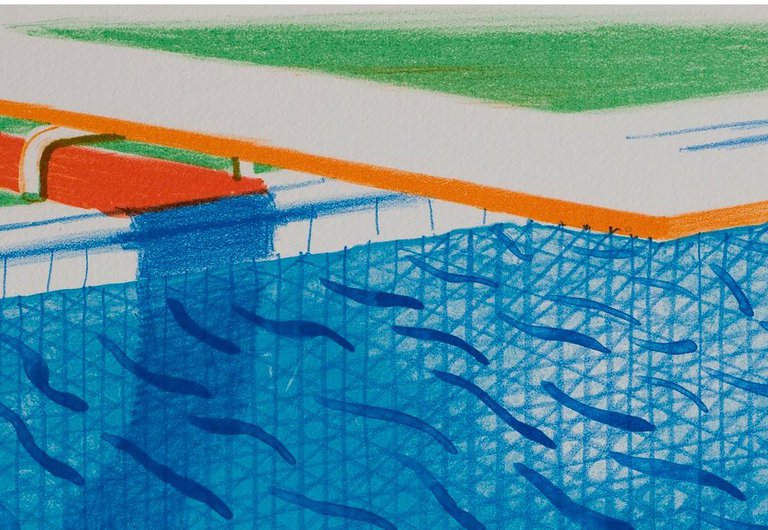
Born in Bradford, England, in 1937, Hockney rose to international prominence during his time in Los Angeles, where he captured the essence of Southern California through his iconic swimming pool series. His work, characterized by vibrant palettes and experimental techniques, remains a staple of global art history. As the art world mourns the loss of a titan, institutions and collectors are reflecting on a legacy that bridged the gap between traditional painting and digital innovation. His influence on 20th-century visual culture is frequently compared to that of Andy Warhol, though Hockney remained distinct for his technical versatility and his restless curiosity regarding new mediums.
A Career Defined by Innovation and Technique
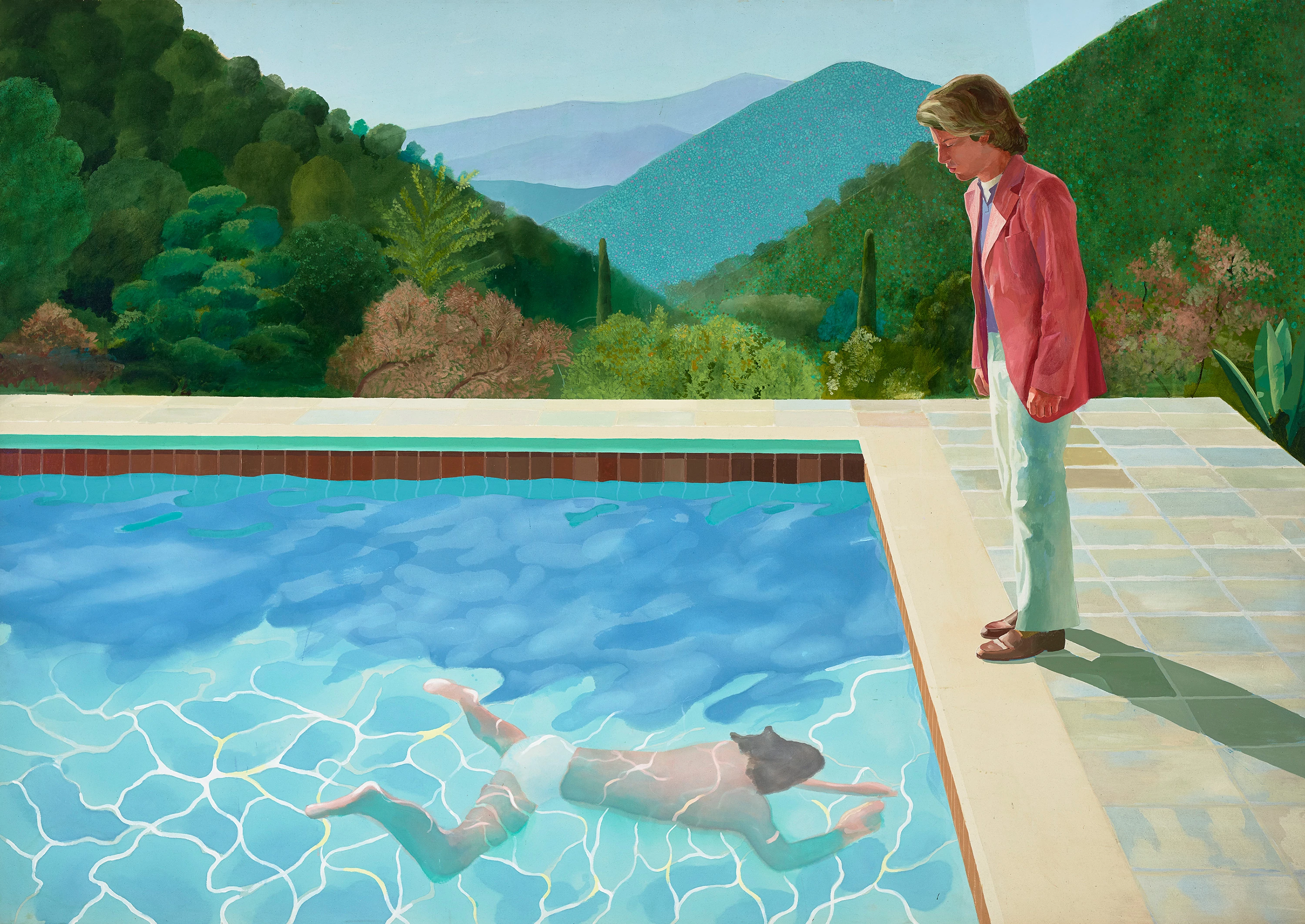
Hockney’s artistic trajectory began at the Royal College of Art in London, where he emerged as a leading voice in the British Pop Art movement. However, his work quickly evolved beyond the stylistic constraints of the era. According to the Tate Gallery, Hockney’s move to California in the mid-1960s sparked a fascination with the depiction of water, light, and domestic interiors. His painting Portrait of an Artist (Pool with Two Figures), which sold for $90.3 million at Christie’s in 2018, stands as a testament to his market impact and his mastery of composition, as detailed in the official auction records.
Beyond his physical canvases, Hockney was an early adopter of technology. In his later years, he utilized iPads and iPhones to create complex digital landscapes and floral studies. This willingness to embrace new tools ensured his relevance across generations, allowing him to engage with audiences that spanned traditional gallery-goers and digital natives. His 2023 exhibition at the Lightroom in London, David Hockney: Bigger & Closer (not smaller & further away), utilized immersive projection technology to showcase his life’s work, proving that his creative vision remained expansive until his final years.
The Evolution of a Global Icon
The impact of Hockney’s work extends far beyond his financial success. He was a central figure in the cultural dialogue regarding LGBTQ+ identity in art, often incorporating themes of intimacy and personal life into his portraits. Throughout the 1970s and 80s, his “joiners”—photographic collages made of multiple Polaroid shots—challenged the static nature of the camera lens, offering a multifaceted view of reality that mirrored the human eye’s perception. This experimental approach earned him numerous accolades, including the Order of Merit in 2012, an honor bestowed by the British monarch that is limited to only 24 living members at any given time, as confirmed by the Royal Household’s official records.

Critics and scholars often note that Hockney’s ability to remain “in fashion” for over 60 years was a rarity in the volatile art market. While many of his contemporaries saw their influence wane, Hockney’s retrospective exhibitions—such as the record-breaking show at the Tate Britain in 2017—consistently drew record-breaking attendance numbers. According to BBC reports, that specific retrospective became the most-visited exhibition in the gallery’s history, highlighting the deep public connection to his bright, accessible, and deeply intellectual approach to art.
What Happens Next for the Hockney Estate
The passing of an artist of Hockney’s stature inevitably triggers intense interest in the management of his estate and his remaining body of work. While no specific details regarding the transition of his personal archives or the future of his studio in Normandy have been released, experts anticipate that the market for his work will remain robust. In the coming weeks, major auction houses are expected to provide updates on any scheduled sales or retrospective tributes planned to honor his contributions.
For collectors and art historians, the focus now shifts to the preservation of his extensive digital archive and his thousands of physical pieces held in private and public collections worldwide. The Hockney Foundation, which has served as a repository for his work and a resource for scholarly research, is expected to continue its efforts in cataloging and overseeing the artist’s legacy. Readers interested in future announcements regarding public memorials or exhibition schedules should monitor updates from the official David Hockney website, which serves as the primary source for verified information regarding his estate.
As the international art community processes the loss, the consensus remains that Hockney’s contribution to the way we see the world is immeasurable. From the swimming pools of Hollywood to the rolling landscapes of East Yorkshire, his work transformed the mundane into the extraordinary. His death serves as a poignant reminder of the power of a single artistic vision to shape global culture for over half a century.
This is a developing story. We encourage our readers to share their reflections on David Hockney’s work in the comments section below. For the latest updates, please continue to follow our business and arts coverage at World Today Journal.