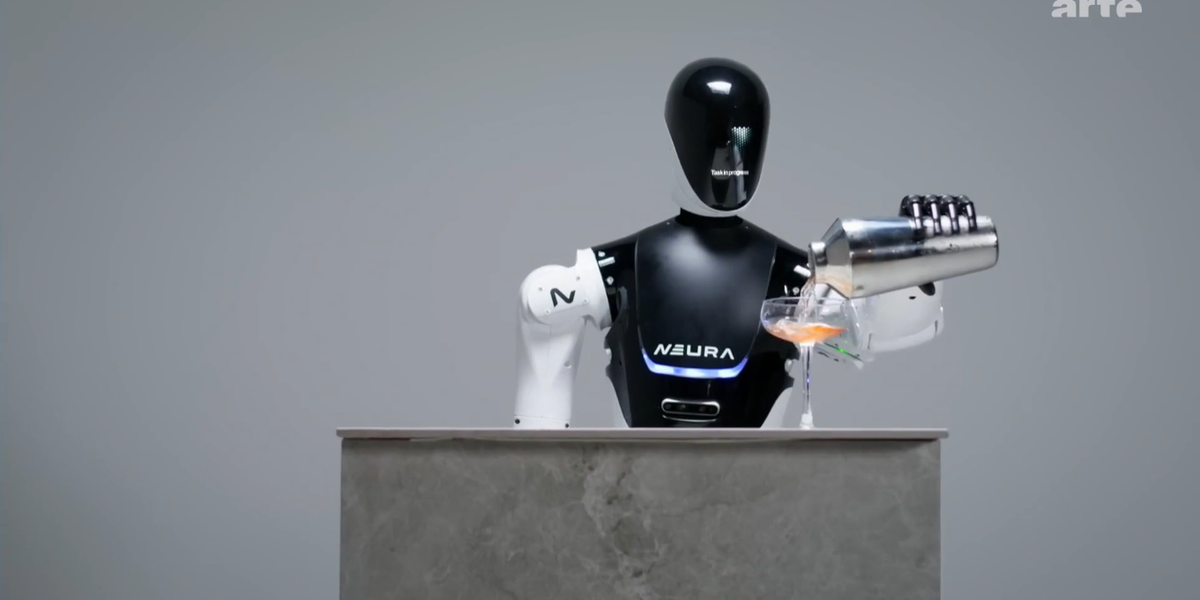
Artificial intelligence and automation are fundamentally reshaping modern employment, prompting urgent debates across Europe regarding productivity, workforce displacement, and economic survival. A recent documentary broadcast by the European cultural channel Arte, titled “42,” examines whether advancing technologies will ultimately liberate humans from labor or trigger widespread joblessness. According to industry leaders featured in the production, addressing demographic shifts and labor shortages will require massive technological integration, sparking sharp cultural contrasts over how automation is perceived.
“Robotik ergänzen – das heißt 40 Millionen Roboter,” noted entrepreneur David Reger, highlighting the sheer scale of mechanical systems needed to support shifting industrial landscapes in the years ahead (ARD Mediathek). Reger emphasized that while such figures sound staggering, they represent a pragmatic response to declining domestic workforces across developed economies. Yet, public reception remains deeply divided, with many European observers viewing aggressive automation as alienating or threatening rather than liberating.
As advanced algorithms and physical robotics penetrate sectors ranging from manufacturing to administrative services, experts and policymakers face a complex dilemma. The ongoing transition forces a reevaluation of traditional labor models, raising critical questions about retraining, wealth distribution, and the intrinsic value of human work in an automated age.
The Scale of Industrial Automation and Workforce Demographics
The push toward large-scale automation is driven largely by shrinking labor pools rather than a corporate desire to eliminate human jobs. According to economic analyses published by the Organisation for Economic Co-operation and Development, aging populations in Western economies create structural deficits that conventional hiring cannot resolve. Industrial sectors face mounting pressure to maintain production outputs despite dwindling numbers of available workers.
Proponents of rapid technological integration argue that deploying millions of automated systems is the only viable path to sustain economic stability. Manufacturing plants and logistics hubs increasingly rely on robotic assistance to handle repetitive, physically demanding tasks. This shift aims to preserve operational capacity while shielding companies from severe labor bottlenecks.
However, critics caution that rapid deployment risks deepening social inequality if displaced workers lack access to effective reskilling programs. Labor advocates stress that corporations and governments must share the responsibility of managing workforce transitions, ensuring that productivity gains do not exclusively benefit capital owners at the expense of everyday employees.
Cultural Perceptions of Technology: Europe Versus Global Competitors
Cultural attitudes toward artificial intelligence and robotics vary sharply across geographic regions, influencing how societies prepare for future economic shifts. In parts of Europe, public discourse frequently frames automation through a lens of skepticism and caution, focusing heavily on job security, data privacy, and ethical concerns. Conversely, markets in North America and parts of Asia often embrace technological disruption with greater regulatory flexibility.
This divergence shapes policy decisions, funding allocations, and the speed at which enterprises adopt innovative tools. European regulators have pursued comprehensive frameworks, such as the European Union Artificial Intelligence Act, to establish strict boundaries for high-risk applications. While these measures aim to protect citizens from algorithmic bias and unchecked displacement, critics argue they may slow innovation compared to international competitors.
Bridging this cultural divide requires transparent public engagement and demonstrable evidence that automation can enhance human well-being rather than merely reduce headcount. Broadcasters and educators play a vital role in demystifying these technologies, moving public conversations past dystopian narratives toward practical solutions.
Next Steps and Official Resources
Public discussions, academic debates, and media explorations regarding the future of work will continue as new software systems and robotic applications enter the market. Stakeholders, researchers, and citizens seeking verified data and official policy updates can consult resources provided by the European Foundation for the Improvement of Living and Working Conditions, which regularly publishes research on industrial automation trends and employment impacts.
Readers are invited to share their perspectives on automation and workforce changes in the comments section below, and to share this report with colleagues interested in the intersection of technology and society.
Related reading